Four decades later, the emotion still lands like a first listen!
Some concerts entertain. Others reopen chapters of your life you forgot were still bookmarked.
CAIFANES at The Aztec Theatre did the latter last nigh.
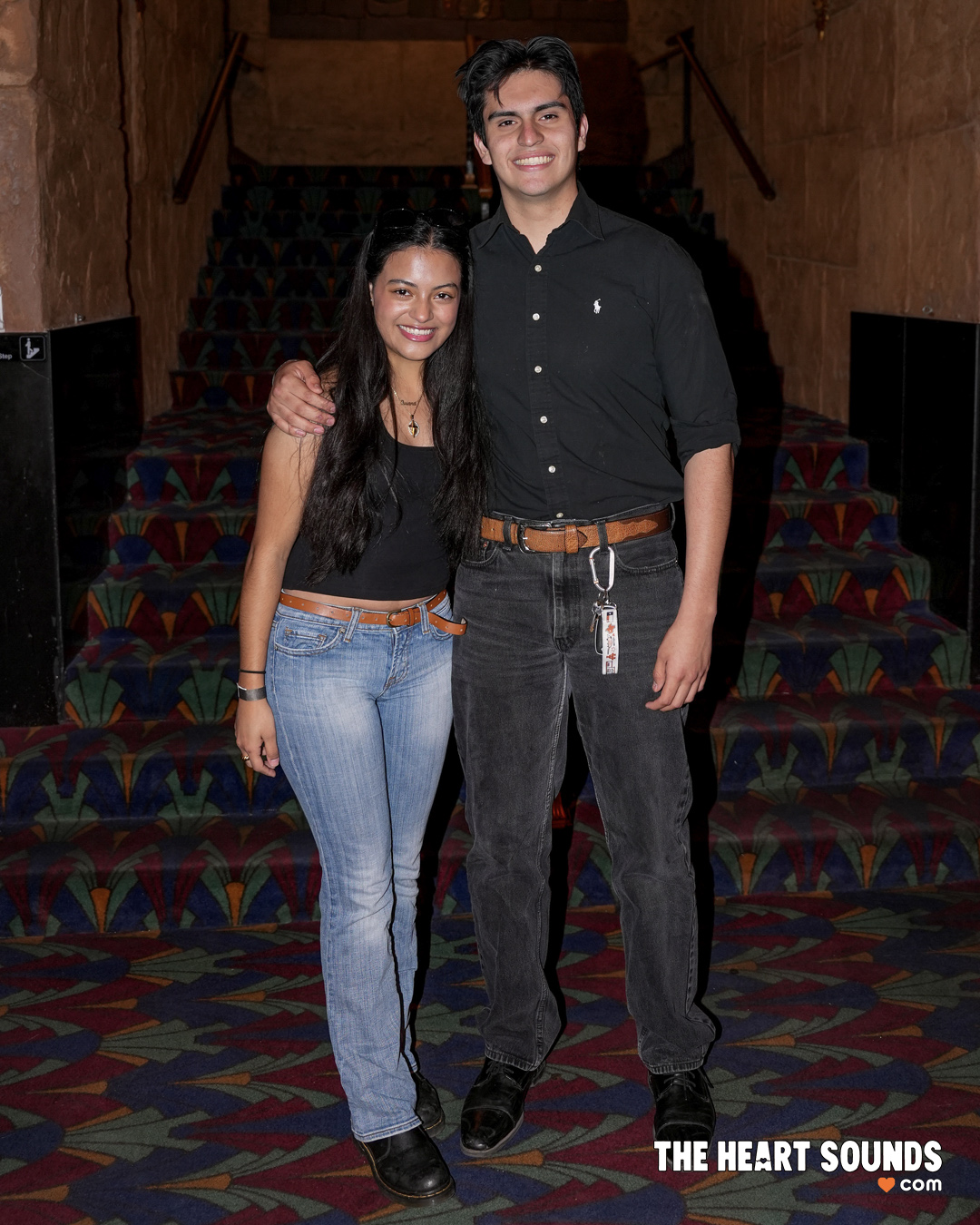
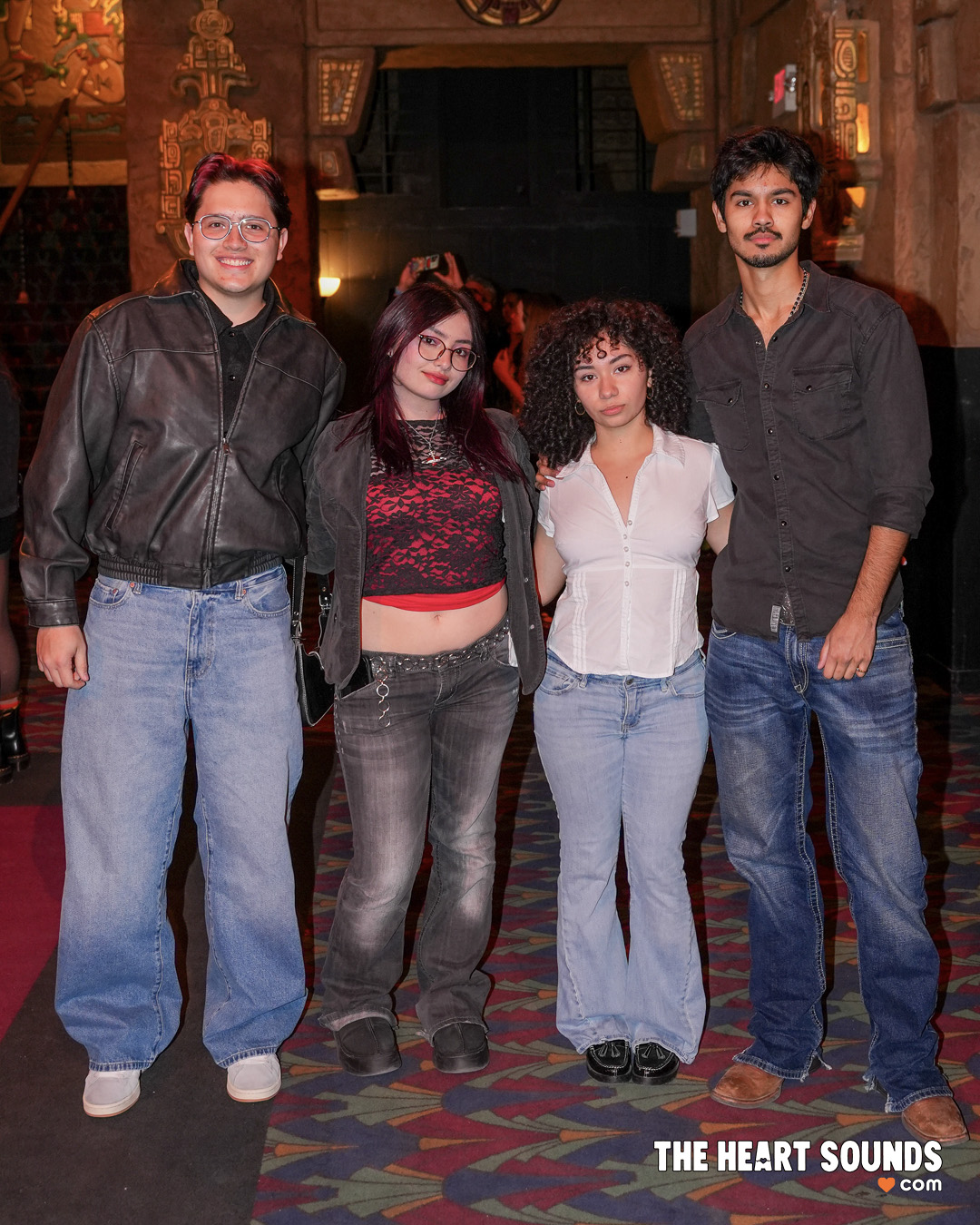
Long before the lights dropped, the energy was already building outside the venue. Fans arrived early, lining up along the street, swapping stories about past tours, favorite albums, and the first time these songs changed their lives. There was a hum in the air, the kind of electric anticipation you feel before something meaningful, not just fun, is about to happen. Strangers bonded instantly, connected by shared memories and lyrics that have lived with them for decades.
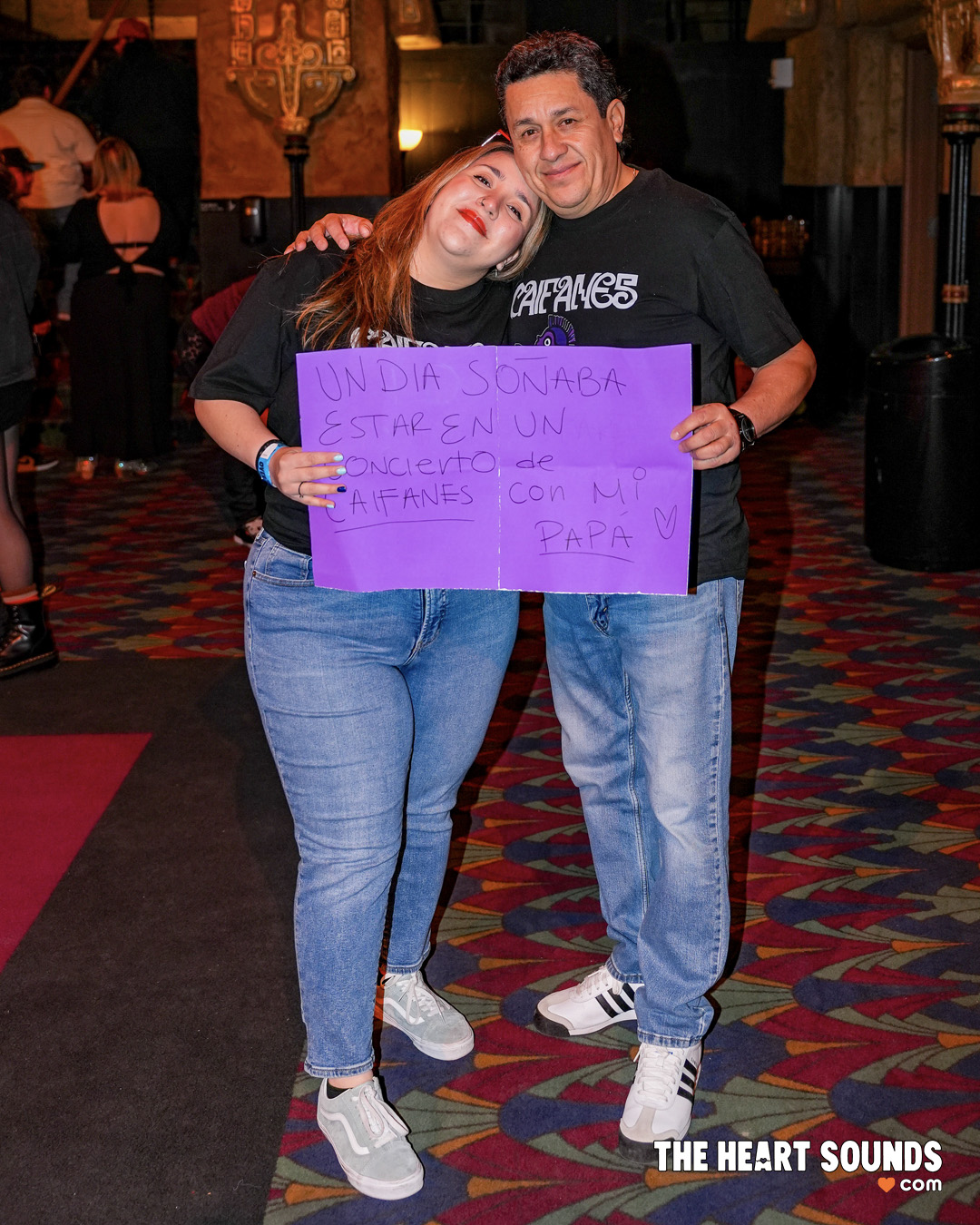
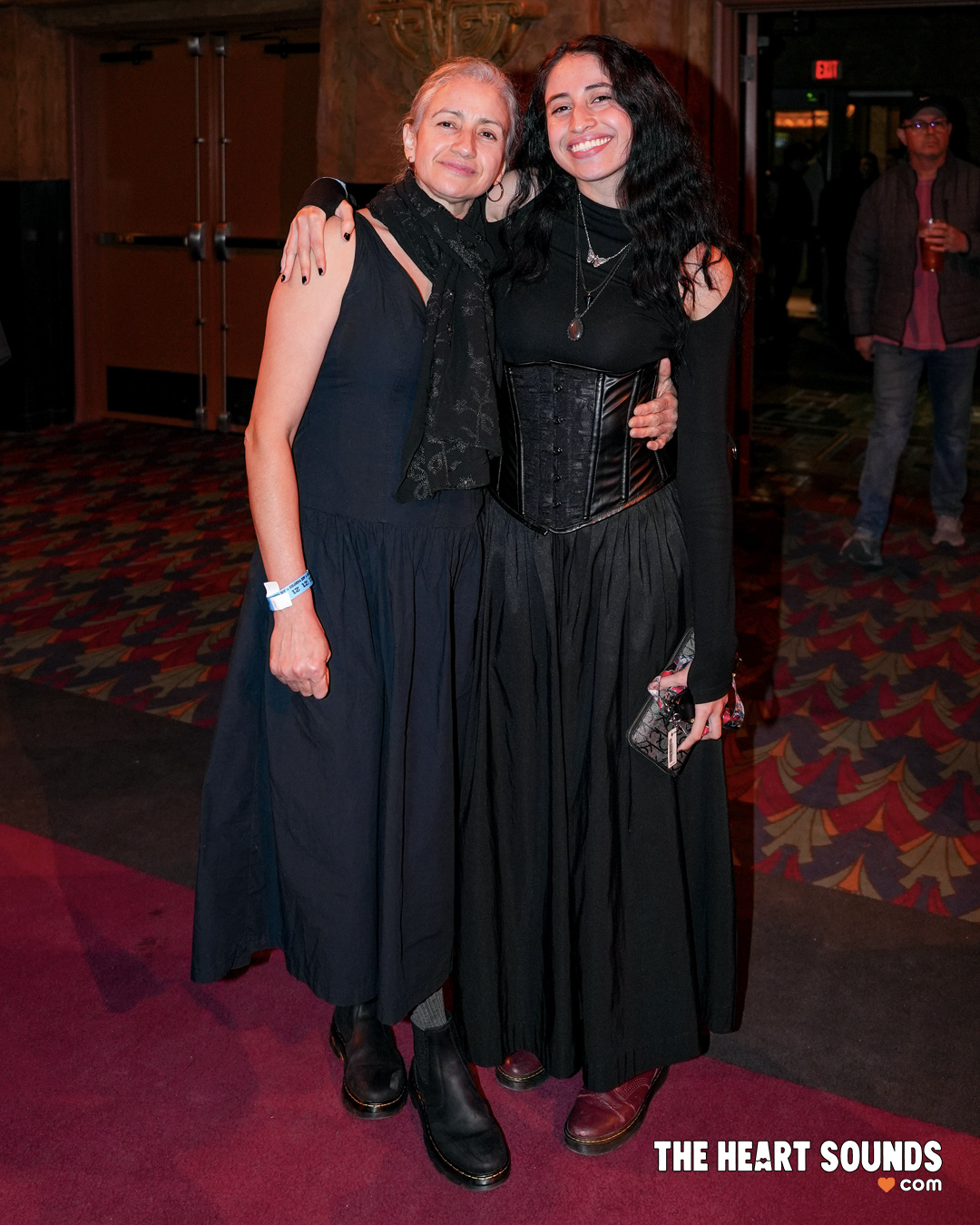
Inside, that excitement never dipped. This was Caifanes’ first show of the year, but there was no sense of warming up. Generations stood shoulder to shoulder, longtime fans beside younger faces discovering the emotional weight of this music in real time.
CAIFANES
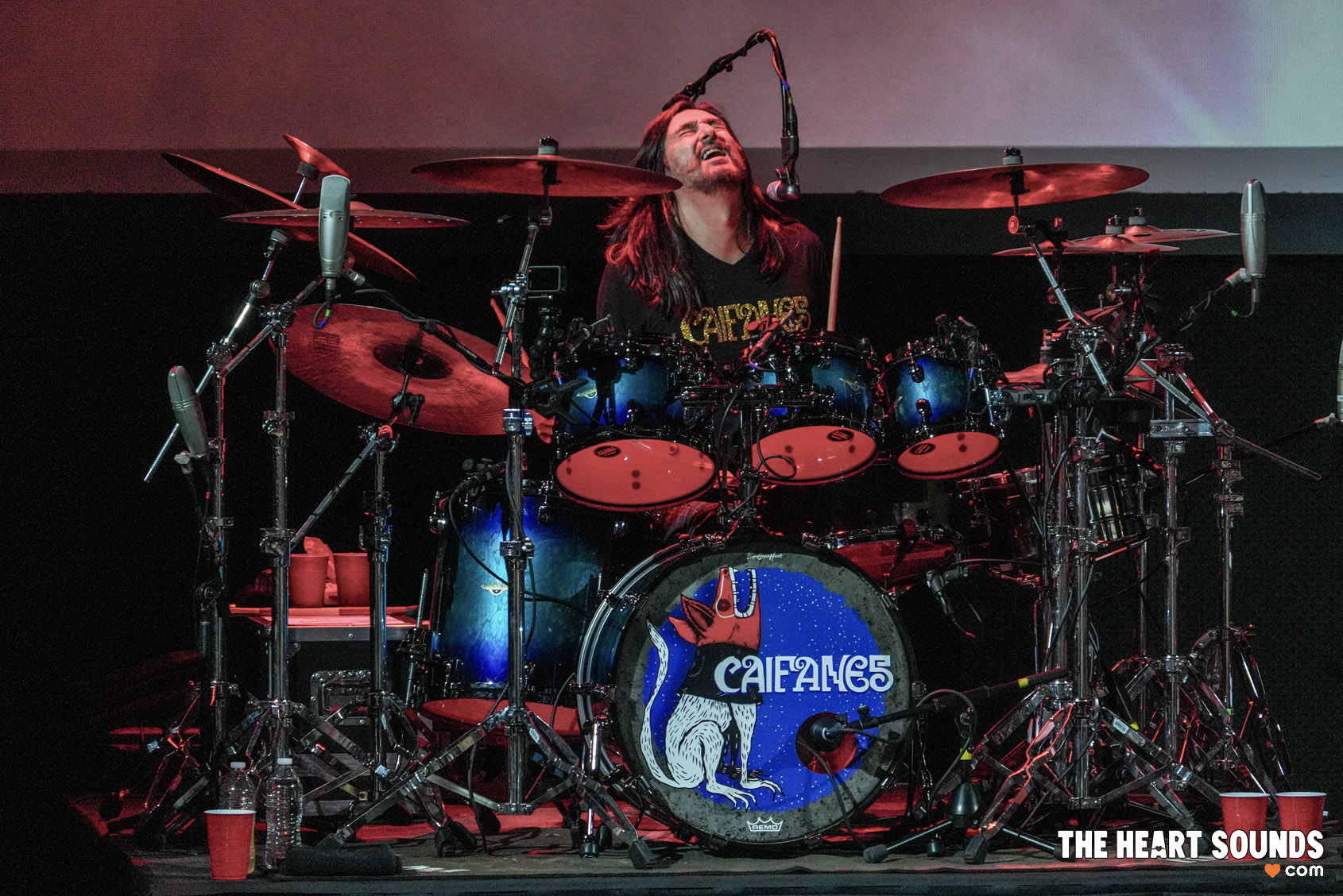
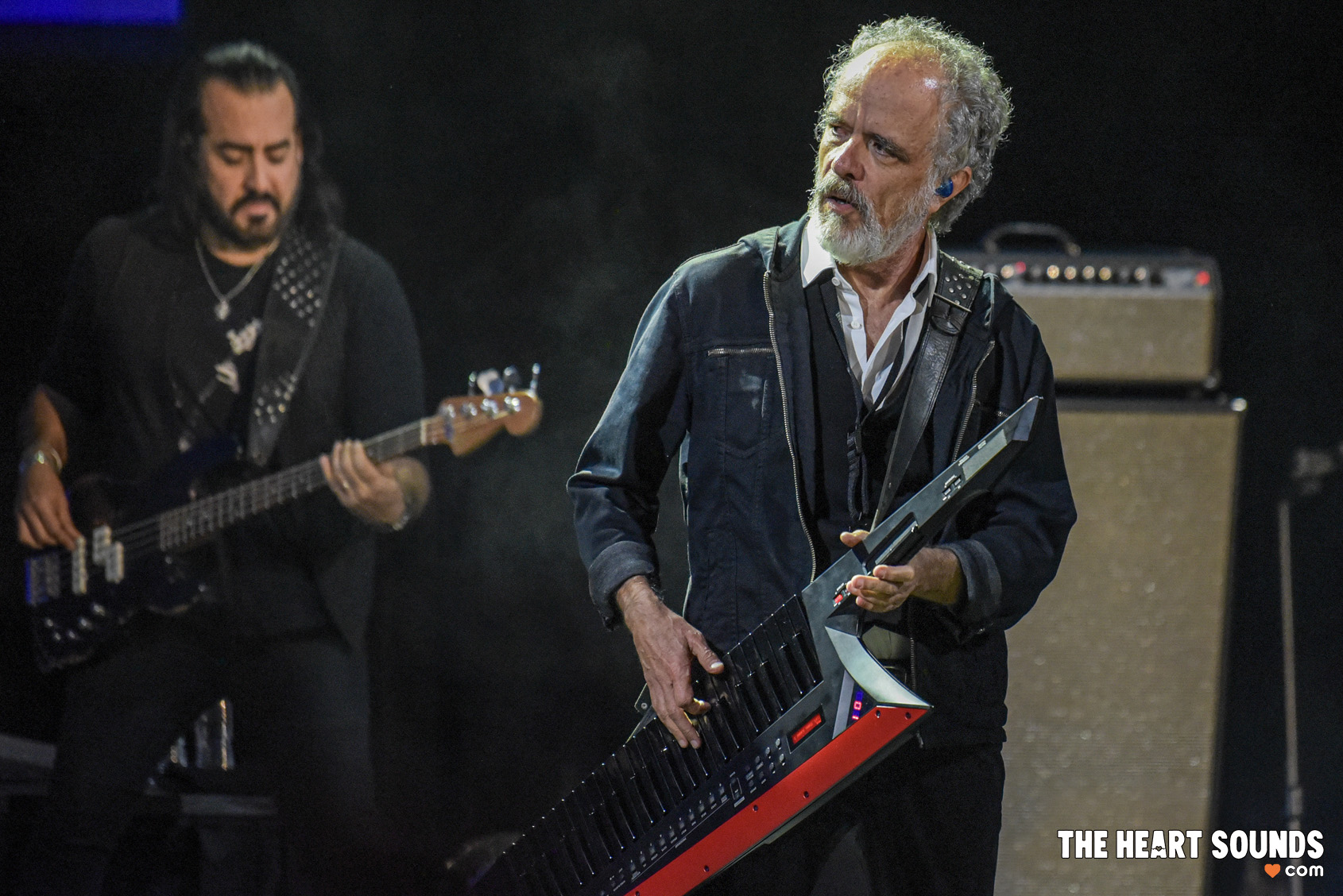
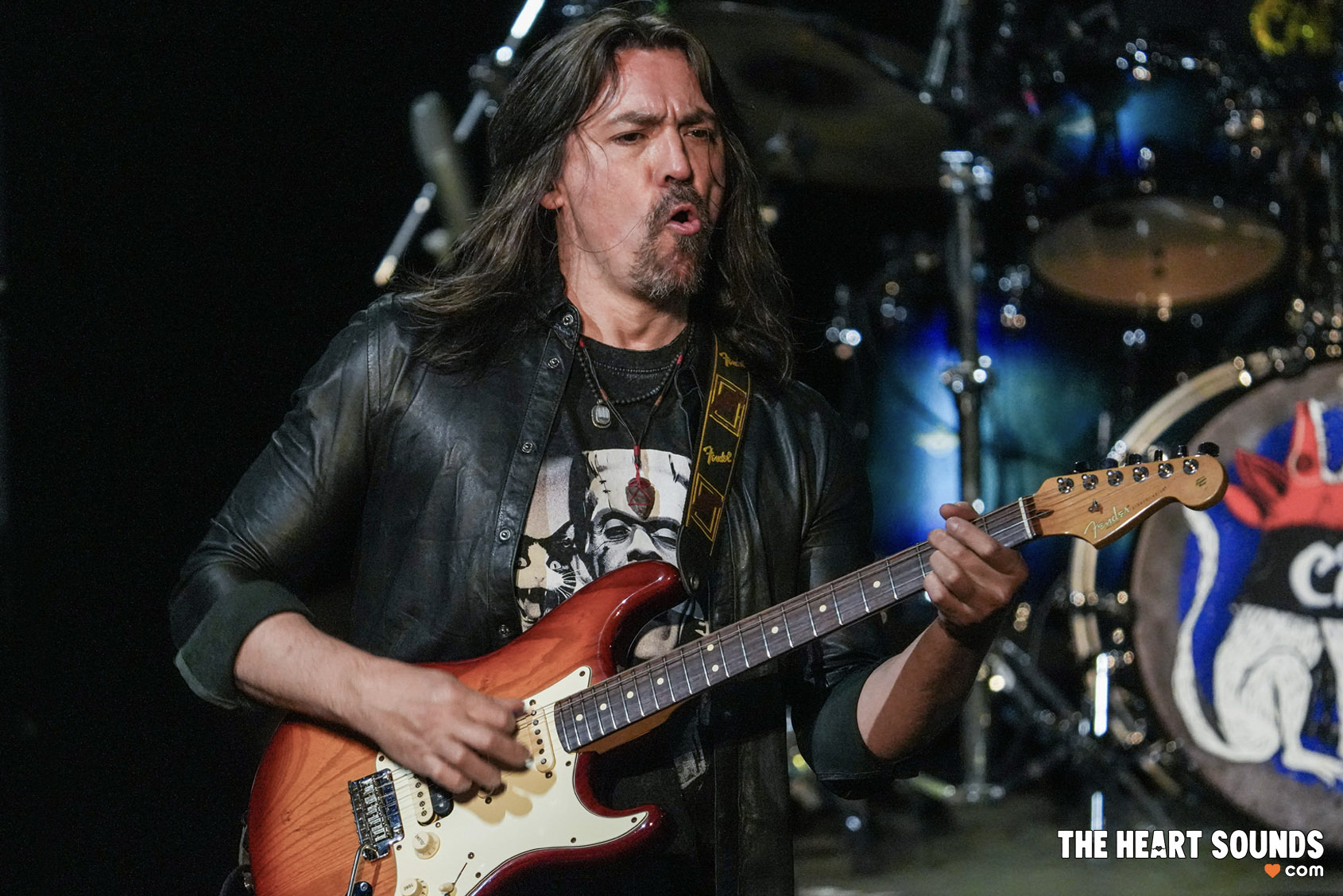
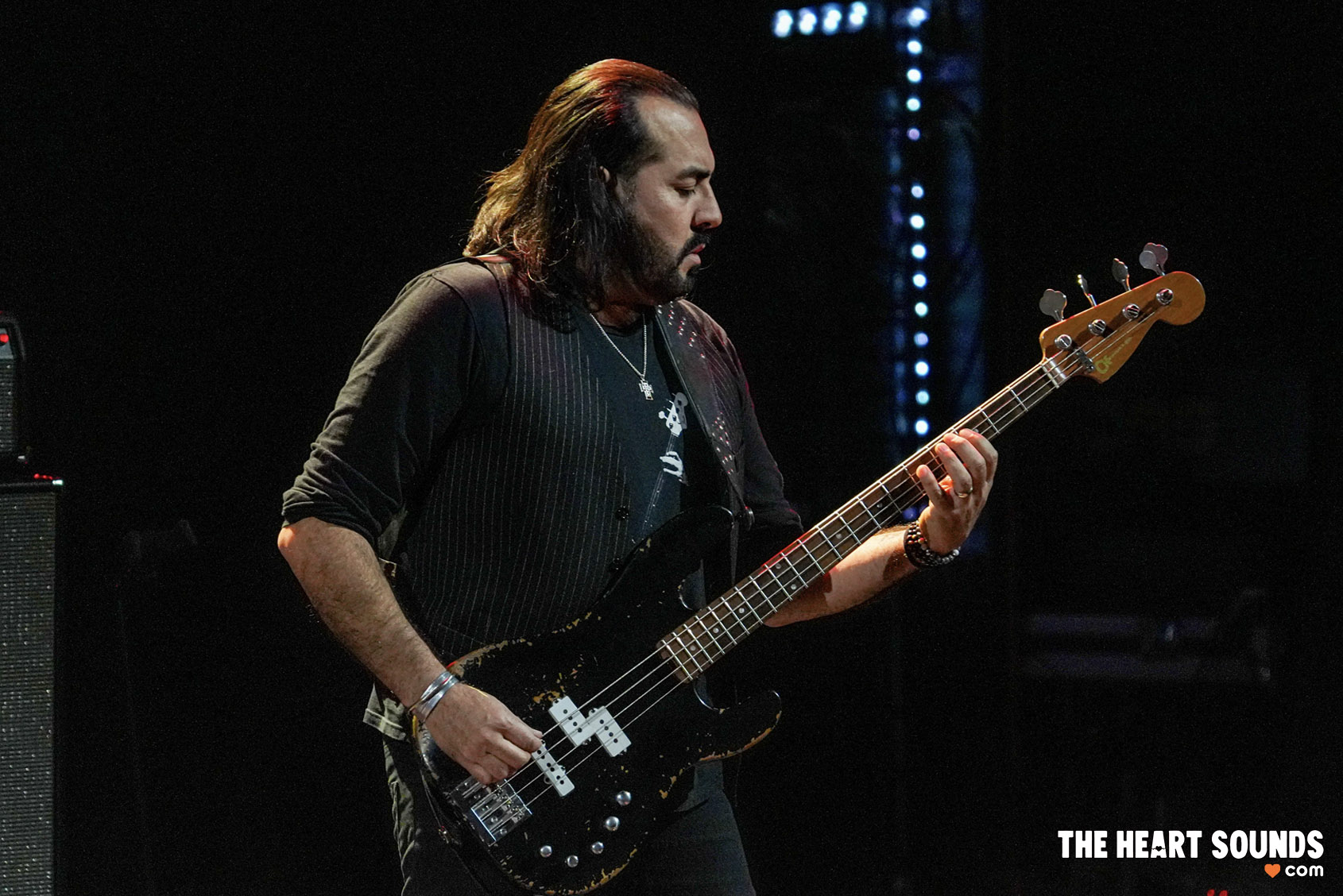
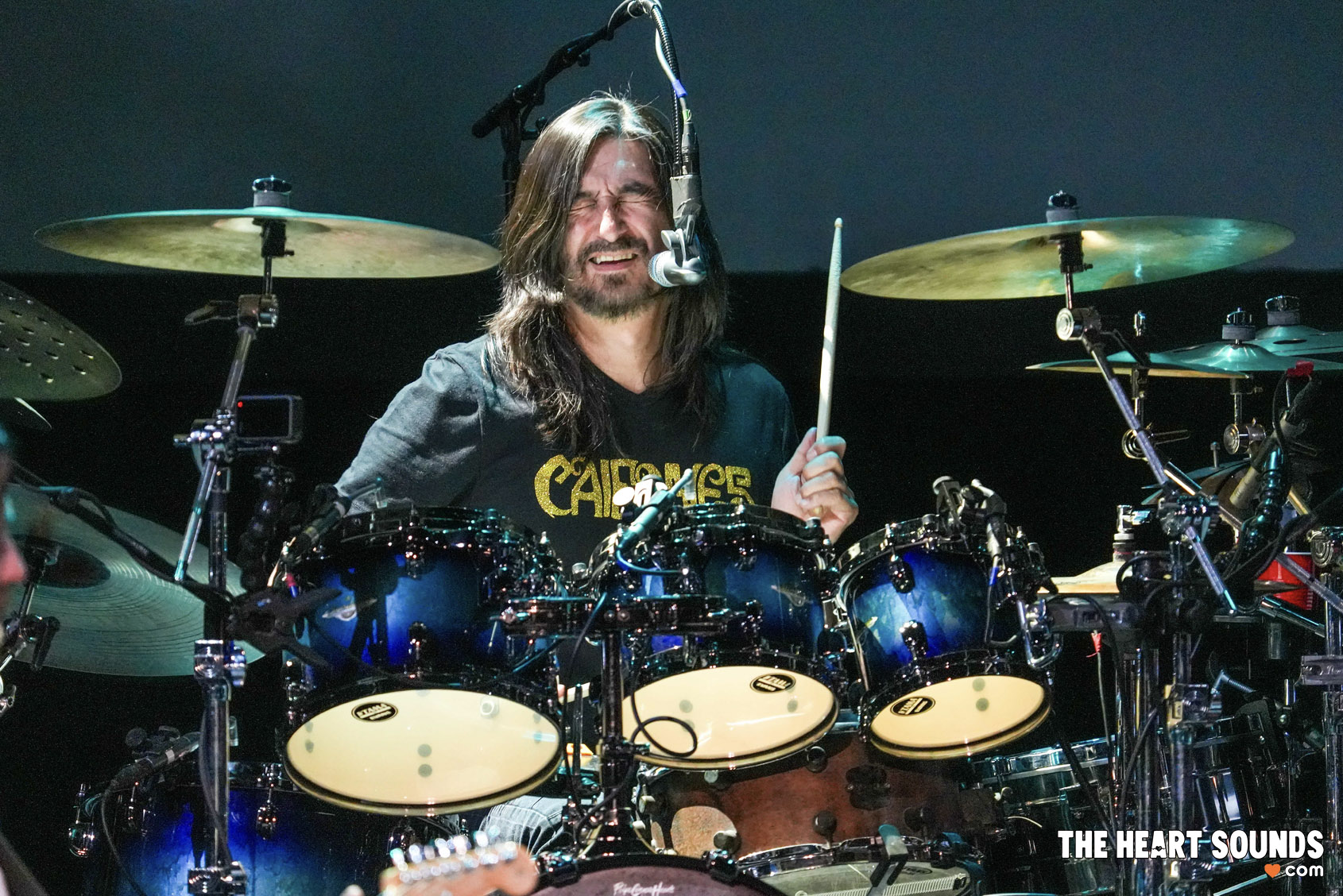
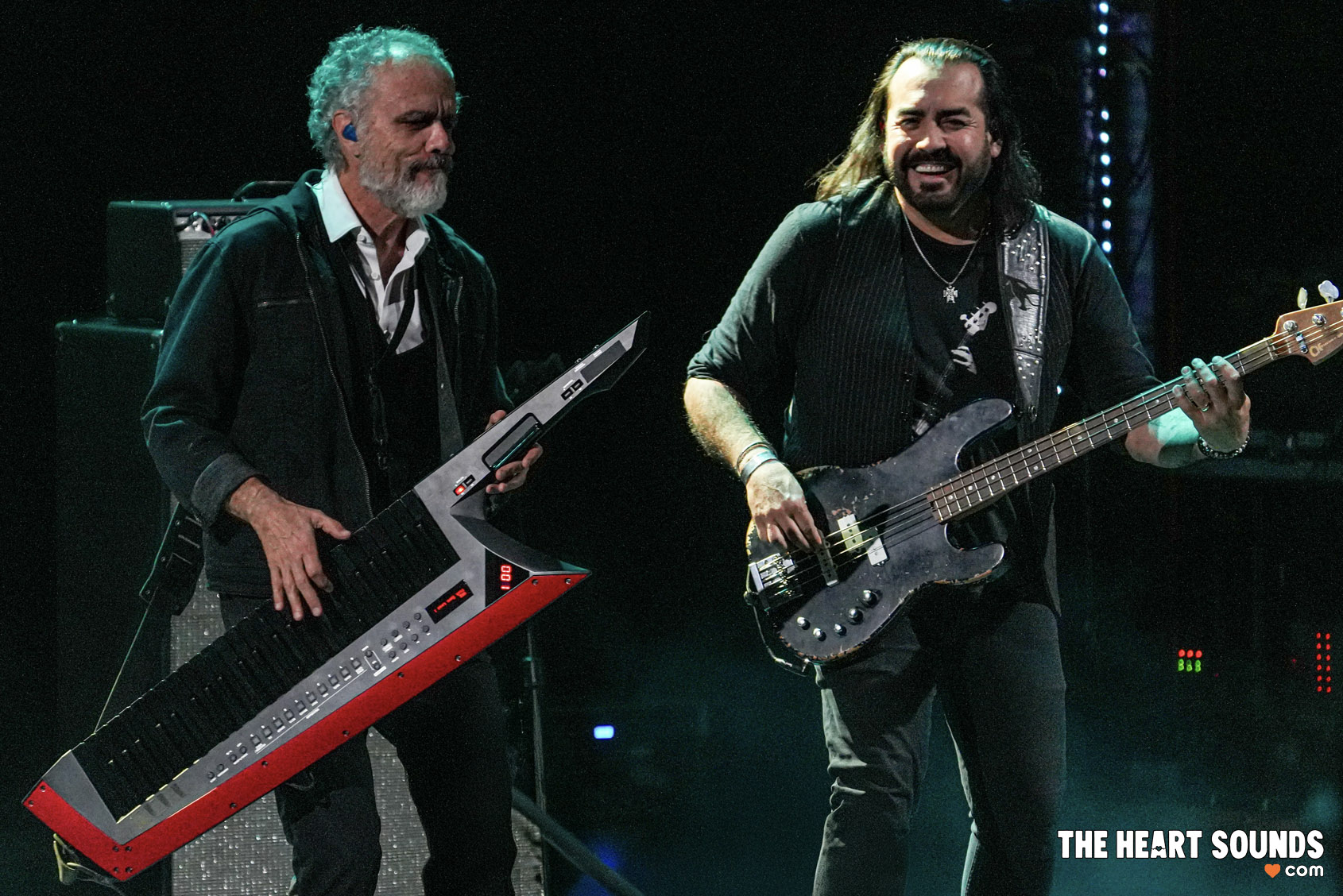
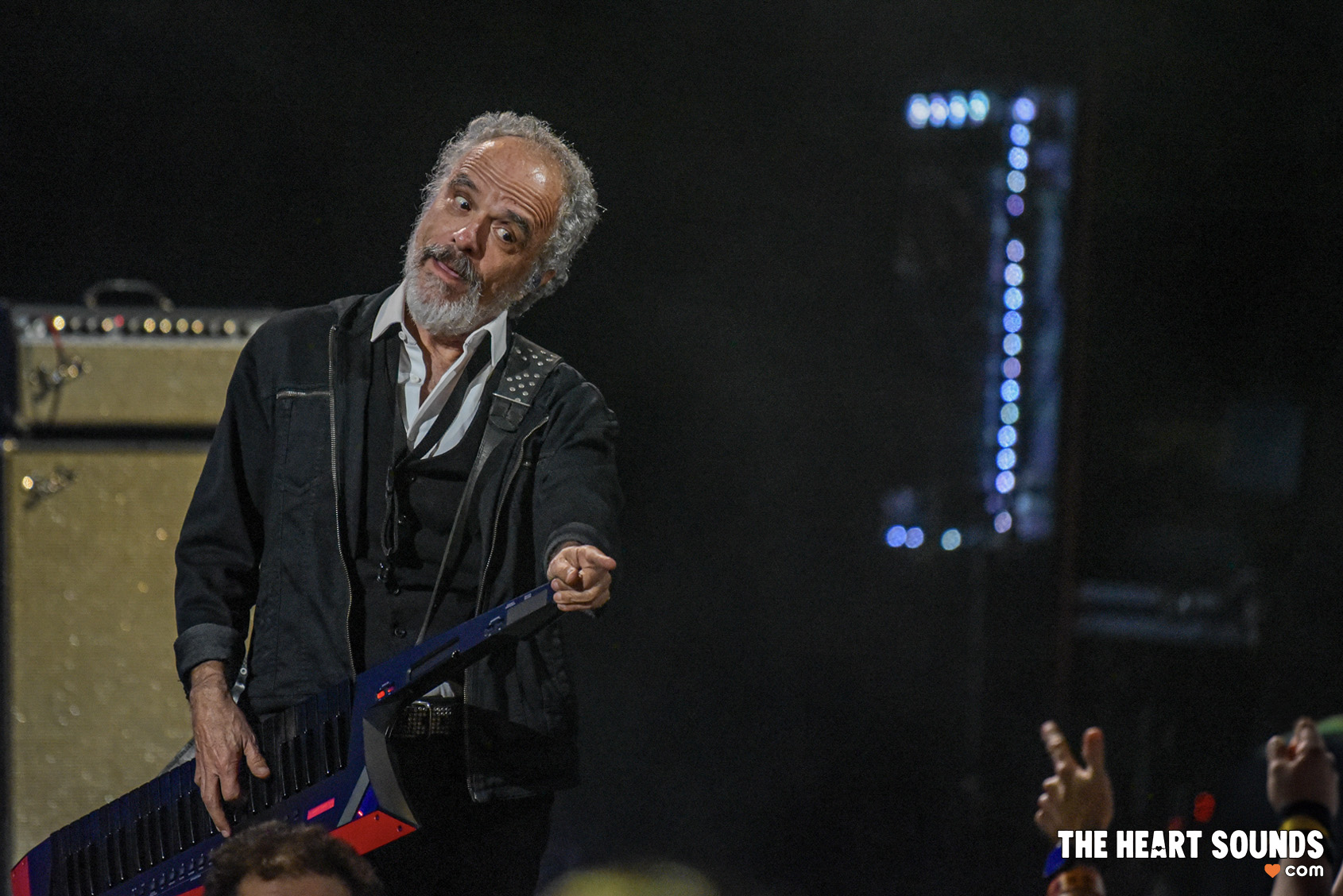
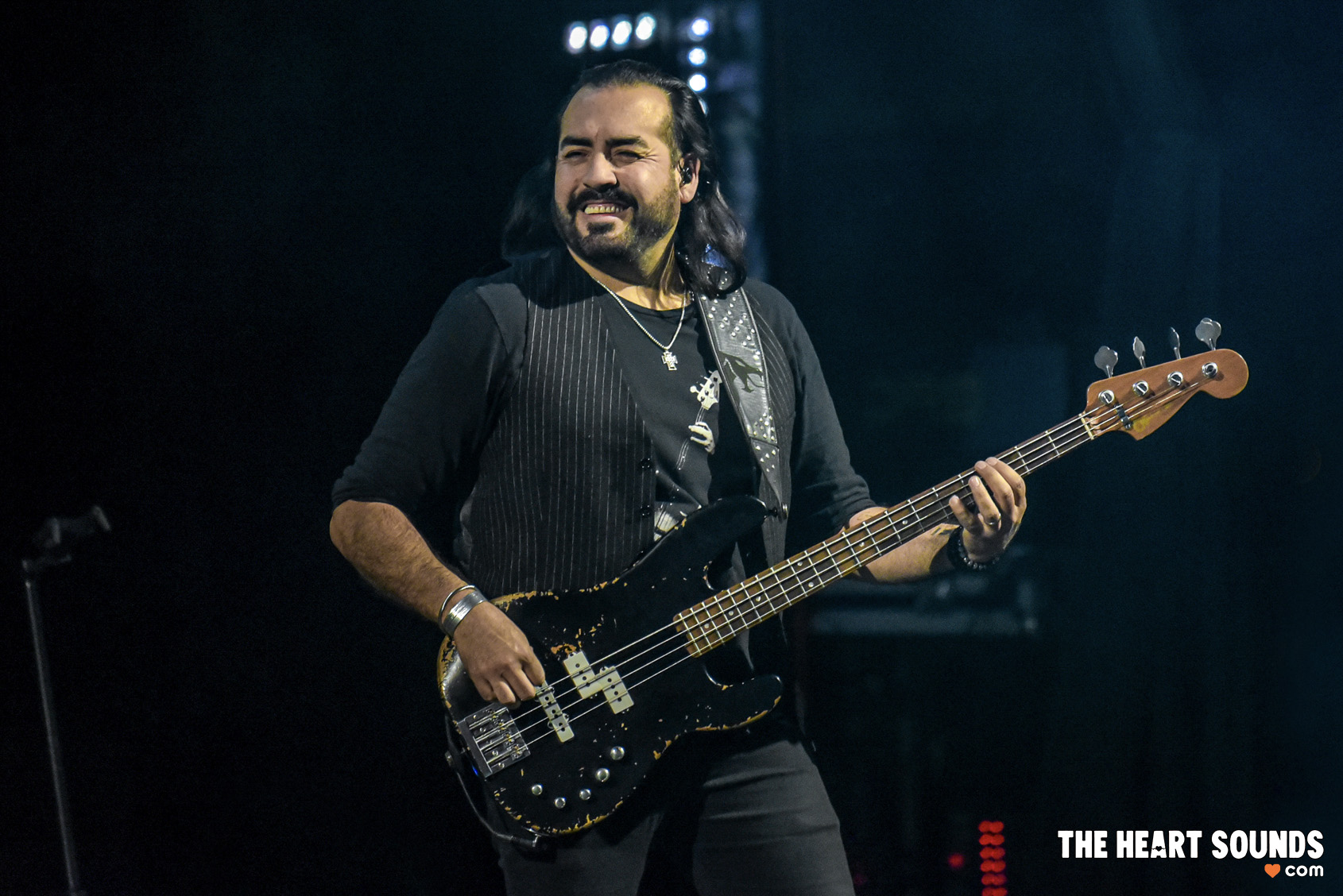
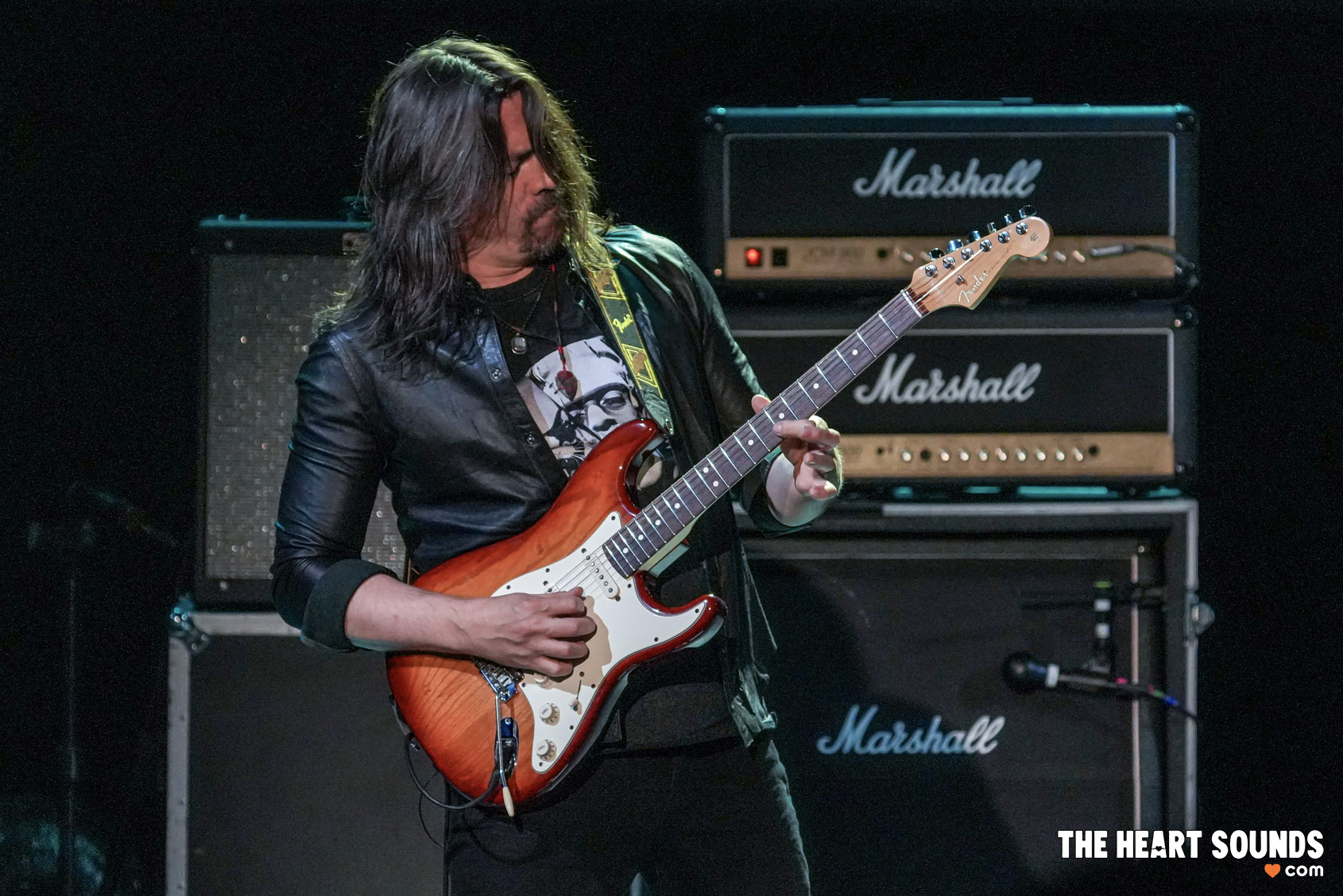
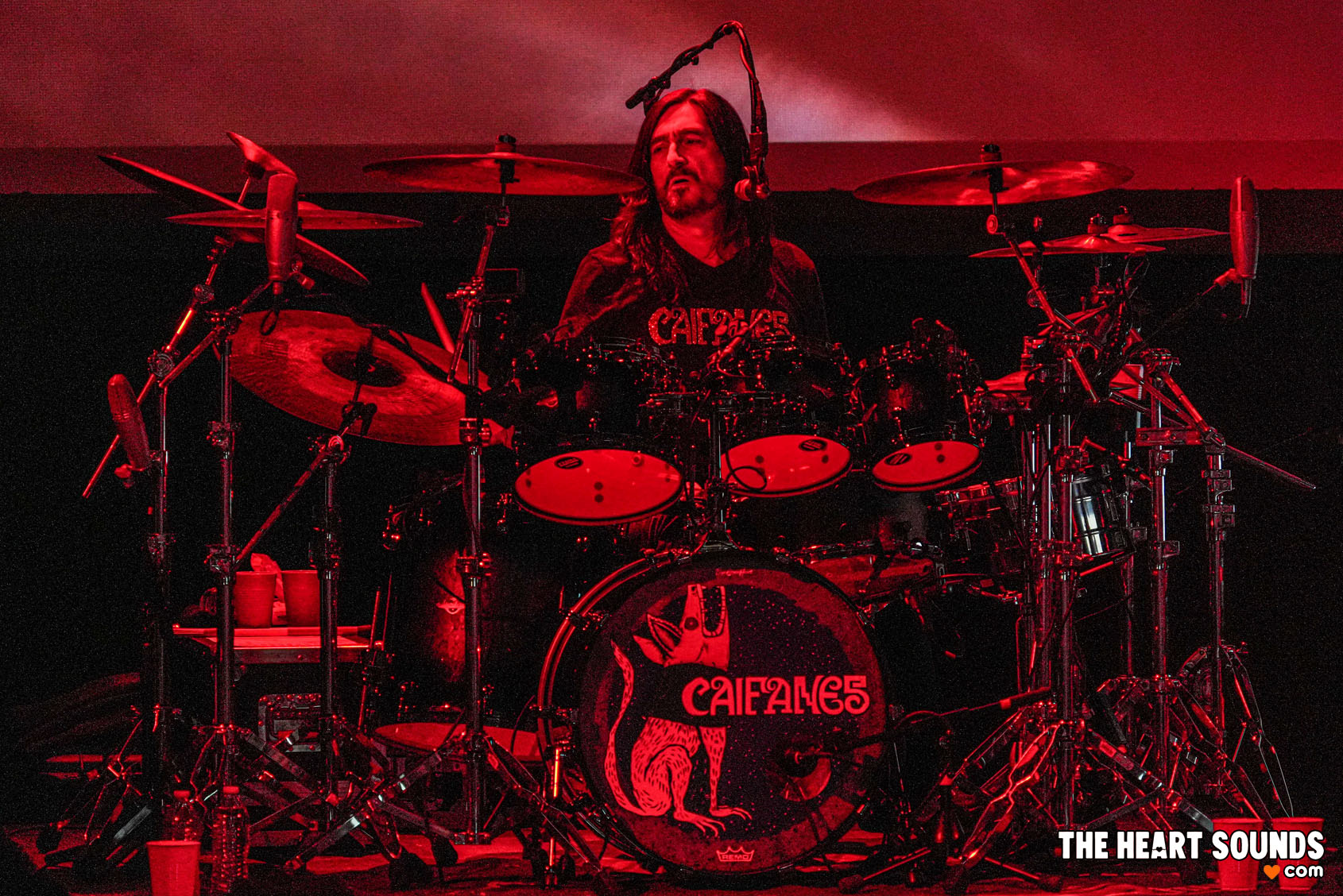
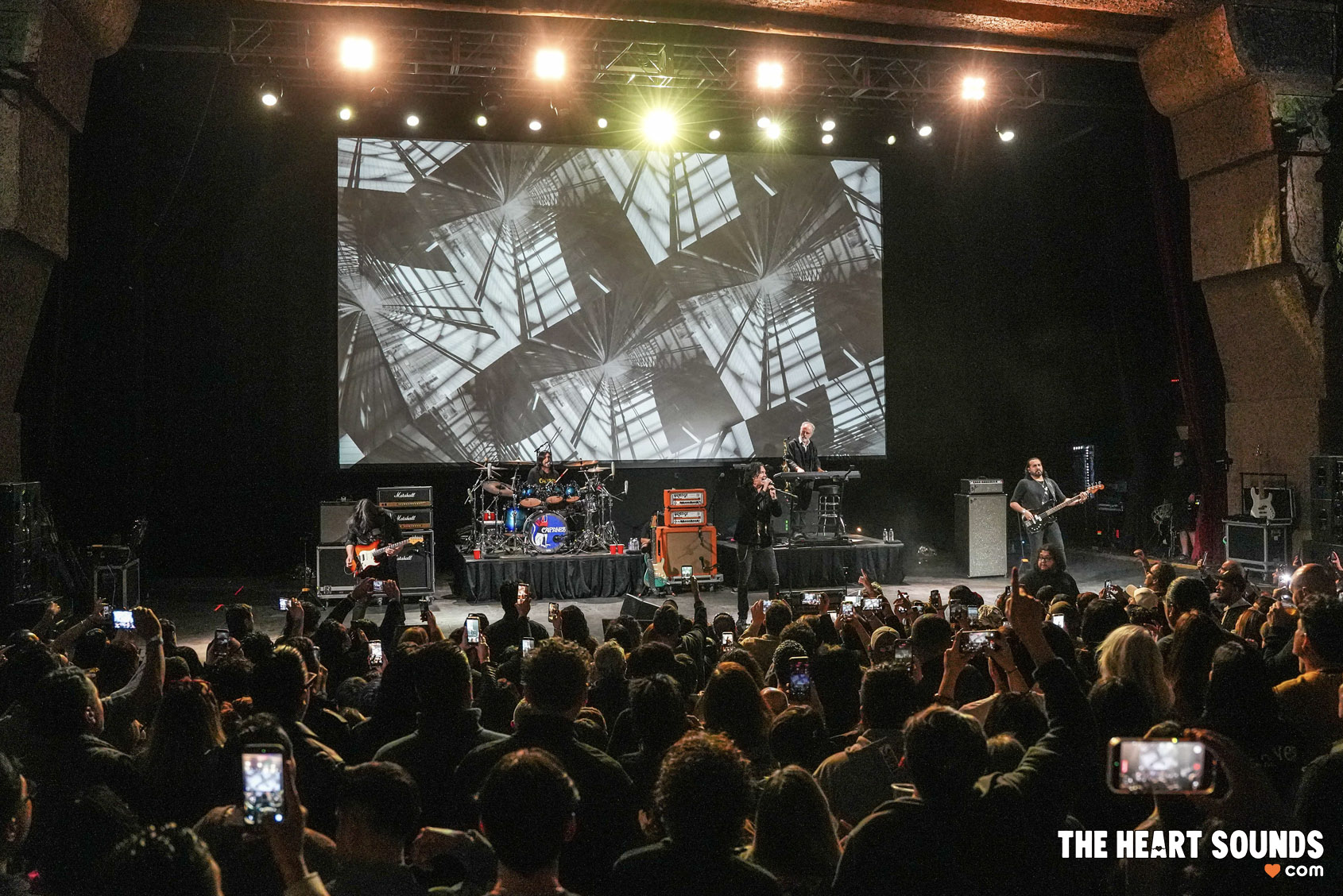
From the moment the lights dropped, the room felt less like a venue and more like a shared memory bank. This was their first show of the year, but there was no sense of warming up. The band, Saúl Hernandez, Diego Herrera, Alfonso André, Marco Rentería, and Rodrigo Baills, walked on with the calm confidence of artists who know their songs already live inside the crowd.
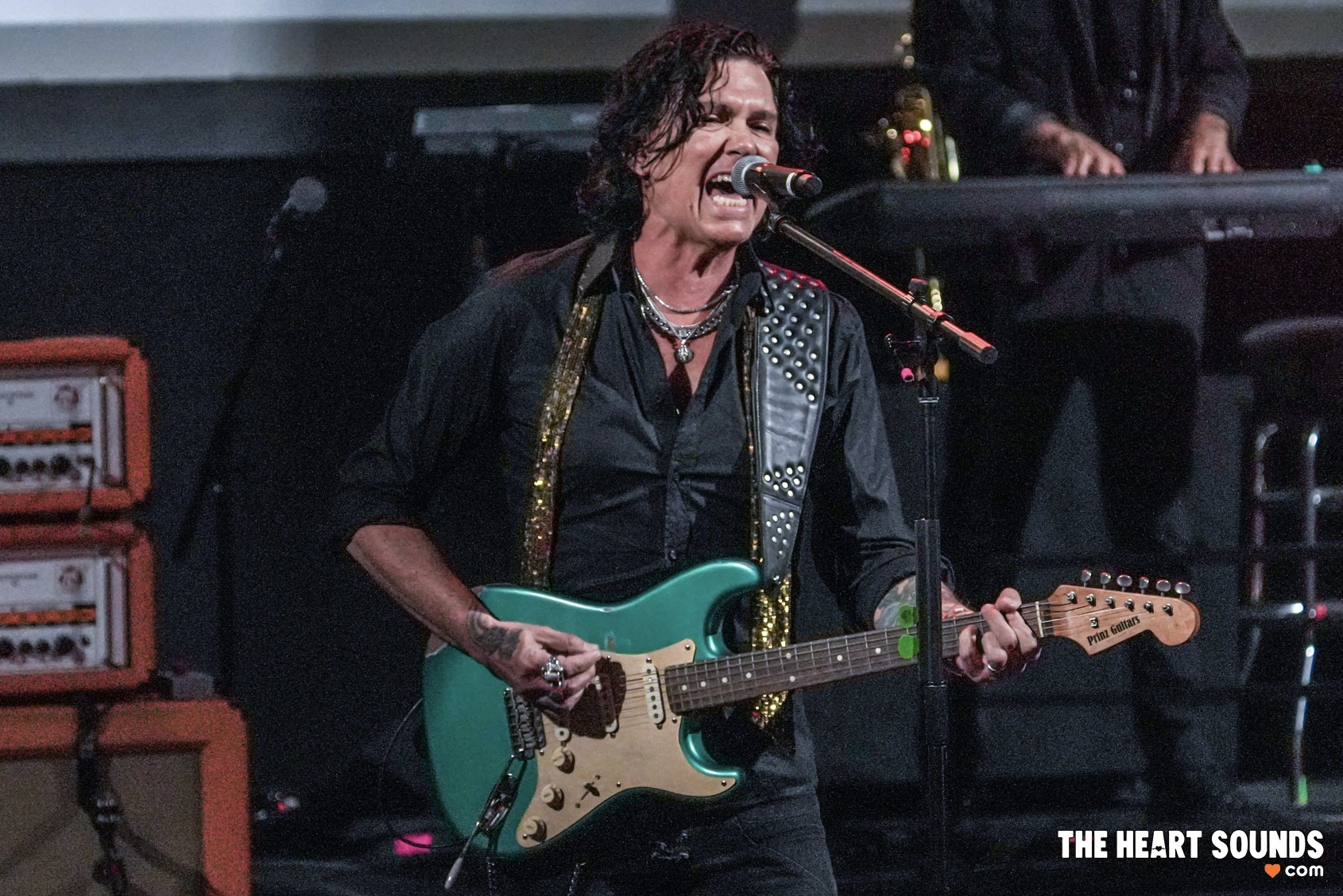
Saúl Hernández commanded the stage with that familiar, magnetic presence, half storyteller, half spiritual guide. Opening with “Aquí No Es Así” set the emotional temperature immediately. The sound was thick, atmospheric, and alive, wrapping the theatre in that unmistakable blend of rock edge and poetic darkness that defines Caifanes. Nearly 20 songs filled the night, but nothing dragged. Each track felt like a scene change in a long, cinematic story about love, fear, resistance, and identity.
By the second song, “Detrás De Ti,” people were not just watching. They were participating. This was not a performance. It was a reunion between songs and the lives they helped shape.
His voice carried grit and tenderness in equal measure, especially on “Para Que No Digas” and “Detrás De Los Cerros,” where the crowd answered back so loudly it blurred the line between artist and audience. The connection felt earned, not automatic, built from decades of shared history.
Musically, the band was razor sharp yet fluid. The guitars rang out with drama and color, shifting from shimmering textures to urgent riffs without losing emotional depth. “Cuéntame Tu Vida” brought a softer, reflective sway to the room before the night moved into its most communal stretch. When “Nubes,” “Viento,” “No Dejes Que,” and “Afuera” arrived, the theatre became one voice. People sang with eyes closed, arms raised, some smiling, some clearly holding back tears.
The encore dug deeper. “Clandestino” by Mano Negra was a quiet anthem for the invisible. Sung from the perspective of a migrant without papers, the song captures what it feels like to exist in between borders, identities, and systems that refuse to see you. Closing with “La Negra Tomasa” turned the theatre into a celebration, bodies moving, strangers dancing together, joy replacing nostalgia.
This was our fourth time covering them at this venue, yet nothing about the night felt routine. Caifanes proved their music is not frozen in the past. It breathes, evolves, and still hits with urgency.
From Mexico City To Cultural Icons
Born in Mexico City in the late 1980s, CAIFANES emerged at a time when rock in Spanish was still fighting for space and identity. Blending post-punk moodiness, traditional Mexican influences, and poetic lyricism, they carved out a sound that felt both global and deeply local. Their music spoke about love, fear, spirituality, and social undercurrents with a dramatic, almost cinematic intensity that set them apart.
Fronted by Saúl Hernández, the band became pioneers of alternative rock in Latin America, inspiring generations who saw themselves reflected in songs that were emotional without being soft, political without slogans, and romantic without clichés. Even through lineup changes and long breaks, their catalog never faded. It lived on in bedrooms, road trips, and late-night conversations.
What makes Caifanes unique is not just their sound. It is how their songs feel tied to personal history, like soundtracks to entire eras of life.
A Caifanes show is not just about hearing classics live. It is about remembering who you were when those songs first found you, and realizing they still understand who you are now. For a crowd largely in the 35 to 60 range, this was more than nostalgia. It was confirmation that the emotions tied to this music never expired.
For almost two hours, no one looked tired. People lingered, talking, smiling, replaying moments like “Viento” or the surge of voices during “Afuera.” The night felt communal in a way that is rare now, strangers united by lyrics that have traveled with them for decades.
If this first show of their year is any sign, Caifanes are not revisiting their legacy. They are actively living it, city by city, voice by voice.