


A masterclass in reinvention, resilience, and musical storytelling!
San Antonio stepped into a world of color, charisma, and cinematic energy as Miguel Bosé brought his Importante Tour to the Freeman Coliseum on November 15, 2025. For one night, the venue transformed into a theatrical arena where nostalgia met reinvention, and decades of artistry unfurled with the confidence only a true icon can command. The audience—many of whom have grown and evolved alongside Bosé’s music—arrived ready to relive milestones from their own timelines. What they received went far beyond memory.
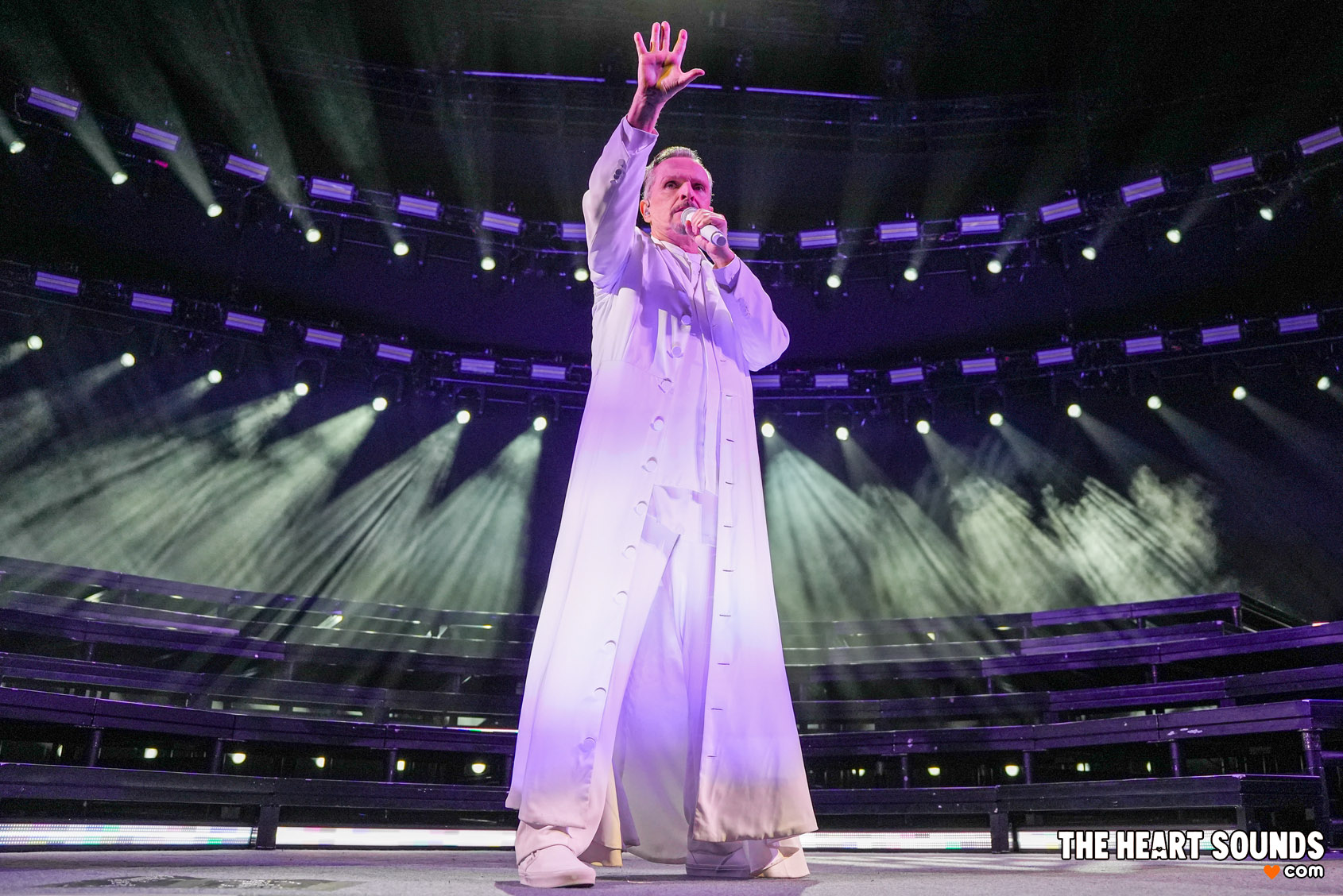
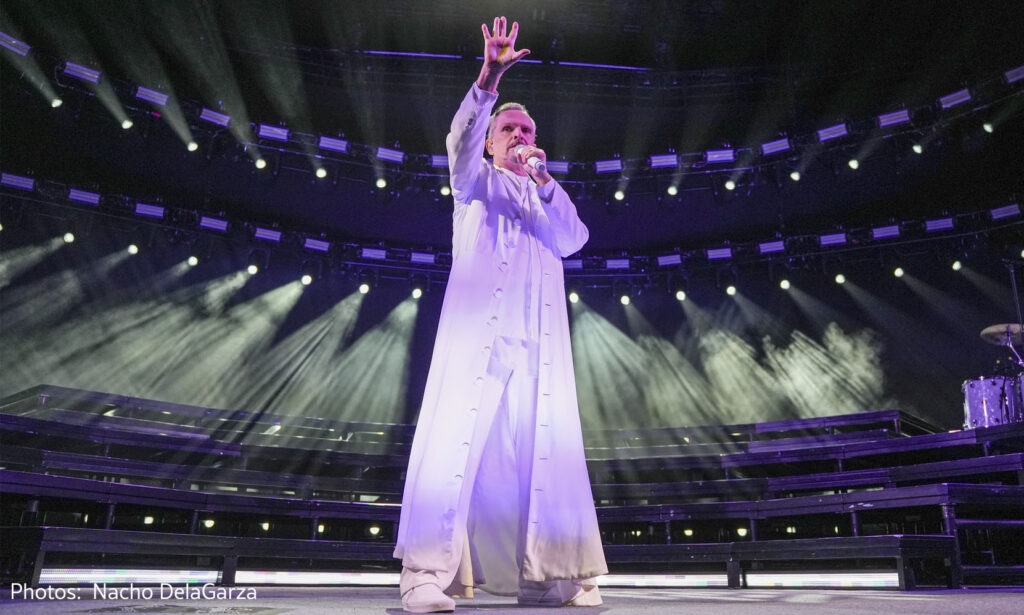
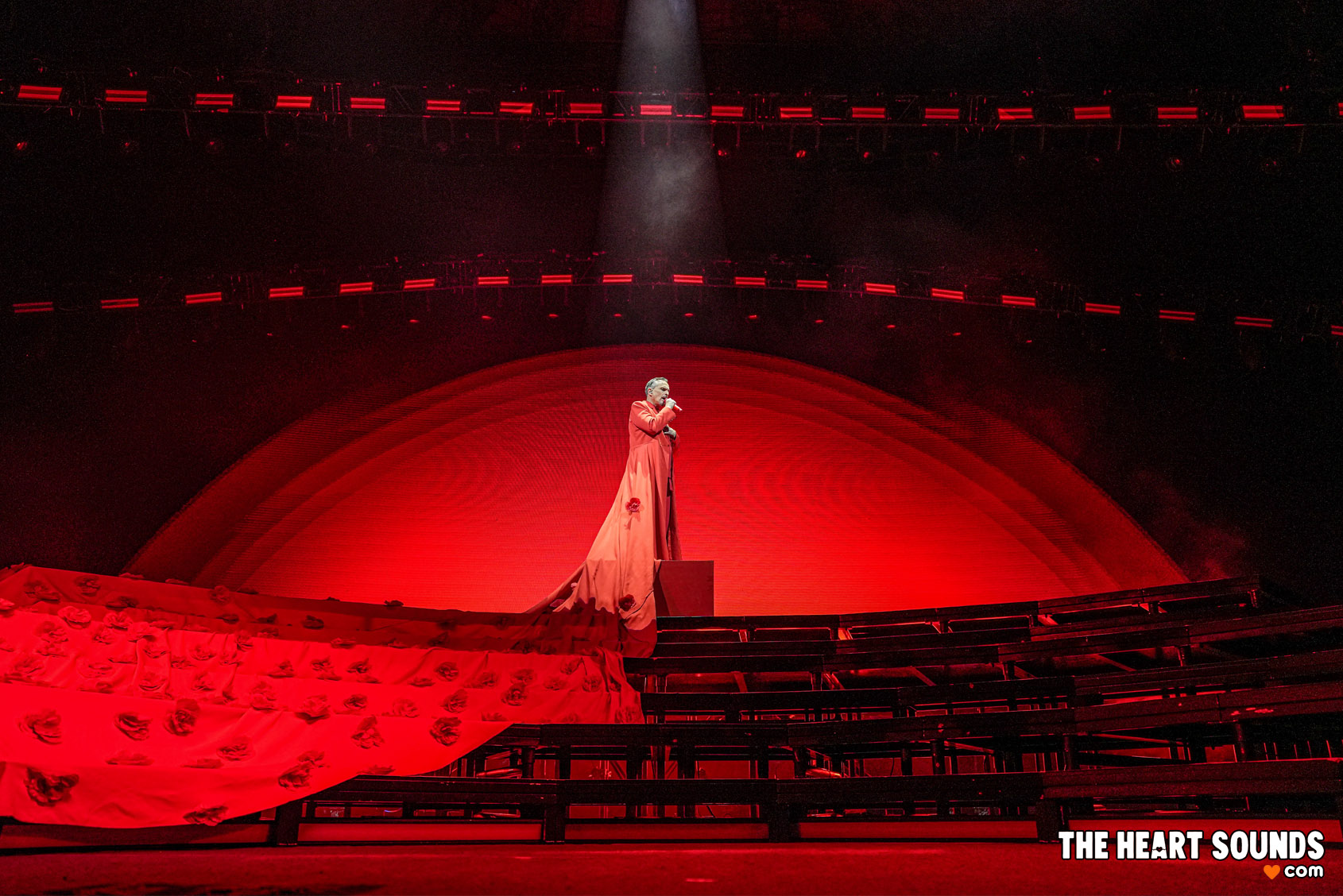
From the first shadows cast across the stage, it was clear Bosé came prepared to make a statement. His entrance felt less like the start of a concert and more like the opening sequence of a film—one where the protagonist has already lived a thousand lives but still walks forward with unmistakable fire. The lighting, bold graphics, and sweeping arrangements worked together to create an atmosphere that felt both intimate and monumental.
This wasn’t a nostalgia trip. It was an artist stretching the edges of his legacy, embracing theatricality, movement, and narrative as tools to pull his audience into something larger than the moment. In San Antonio, Bosé wasn’t just performing—he was curating an experience.
MIGUEL BOSÉ
IMPORTANTE TOUR
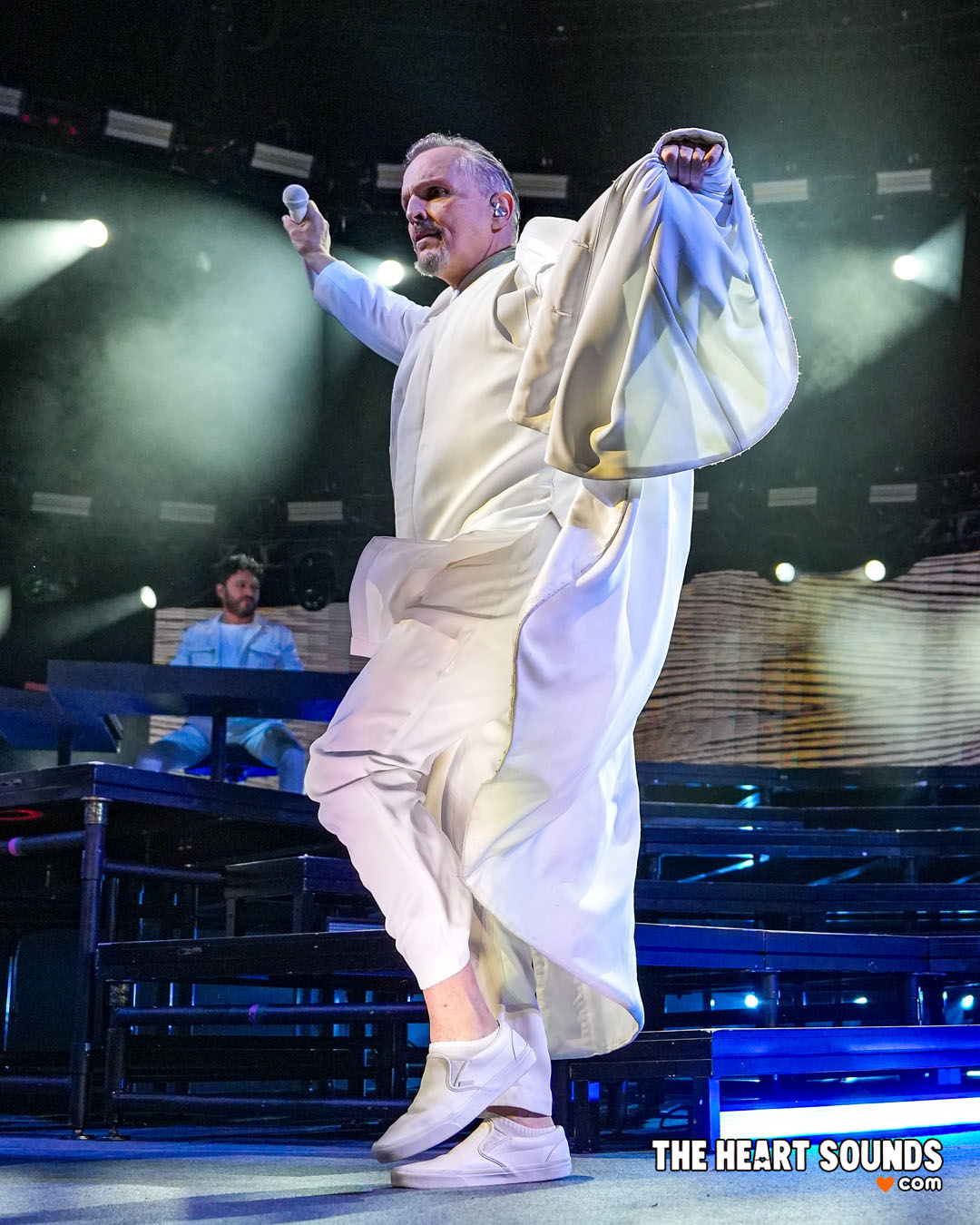
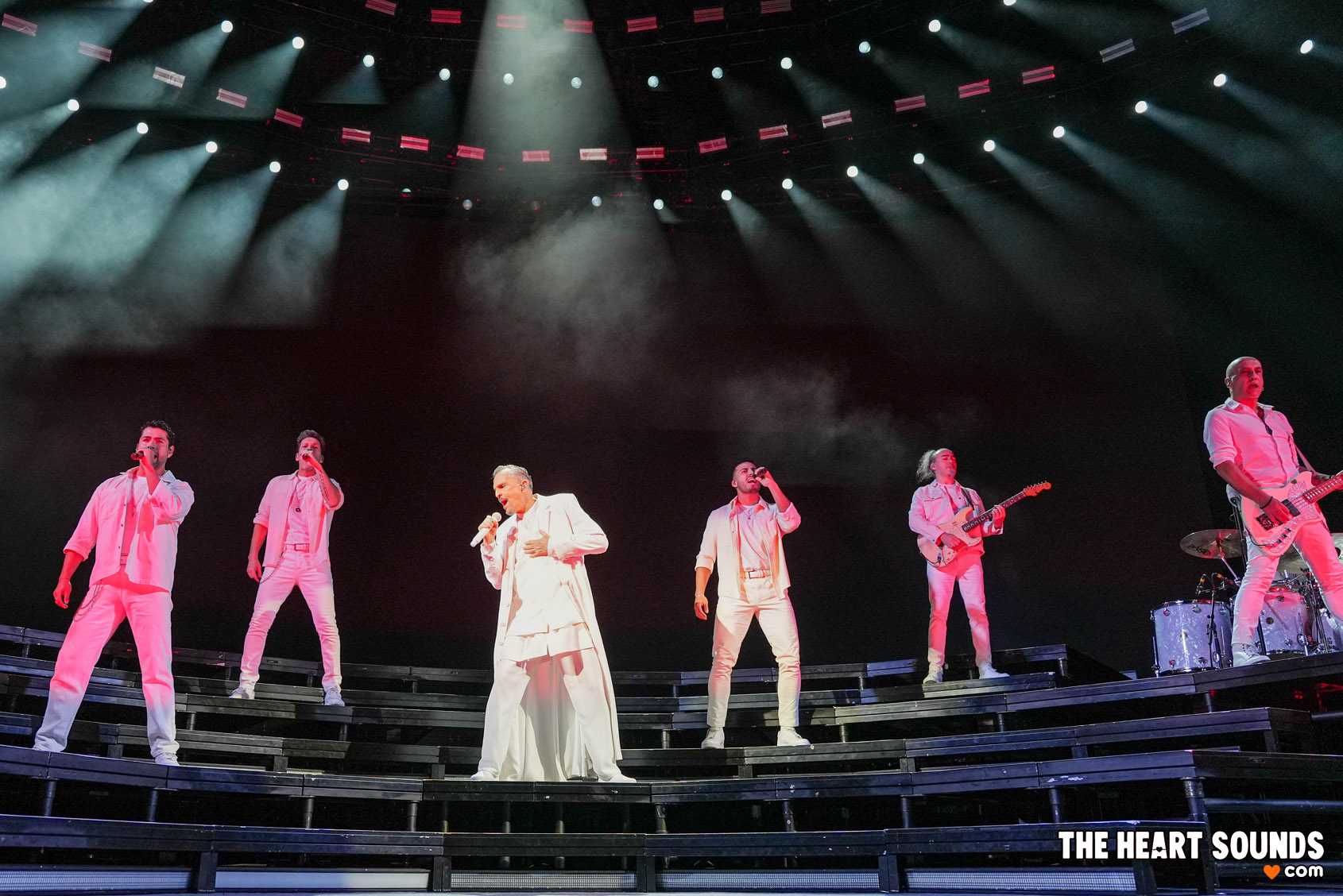
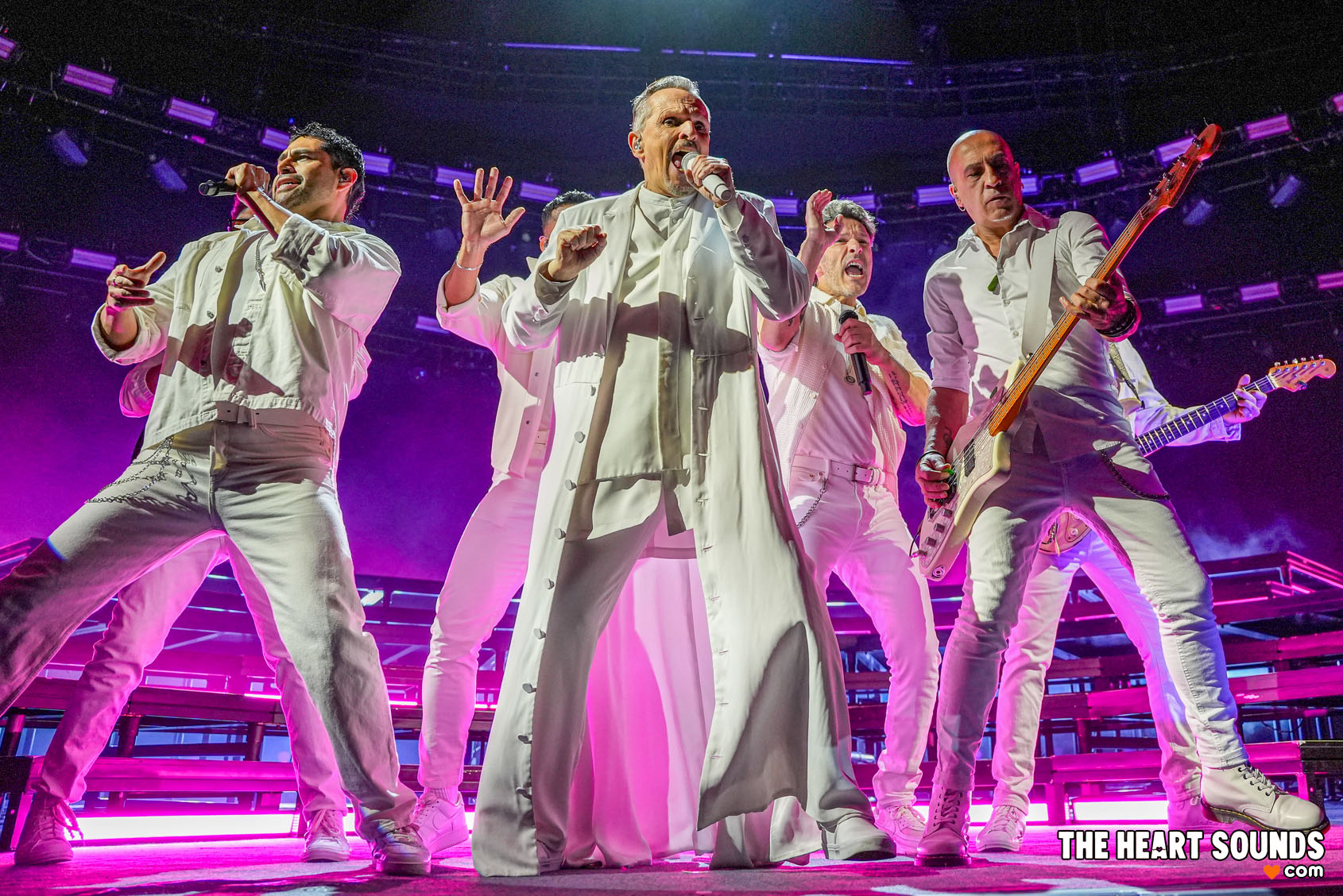
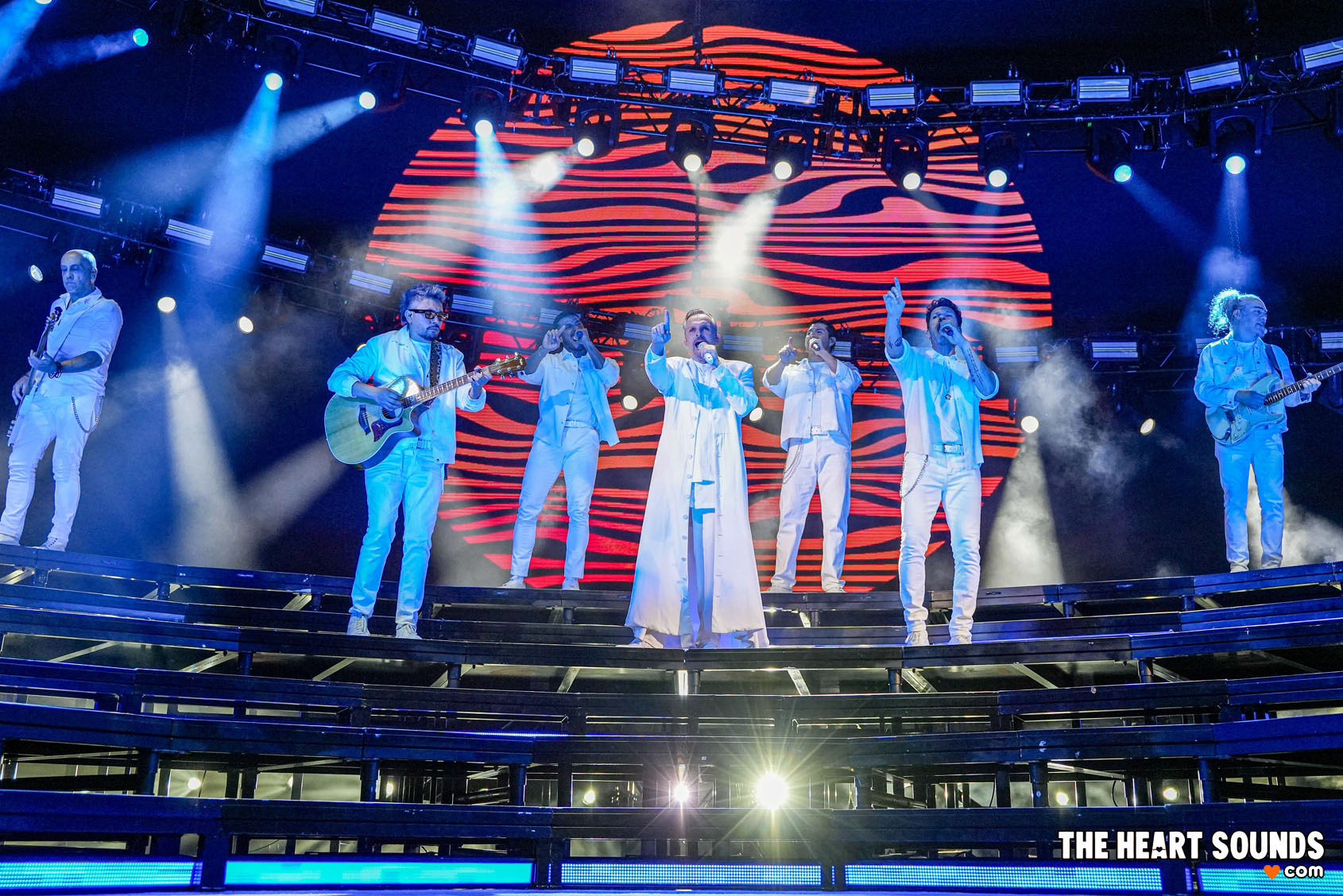
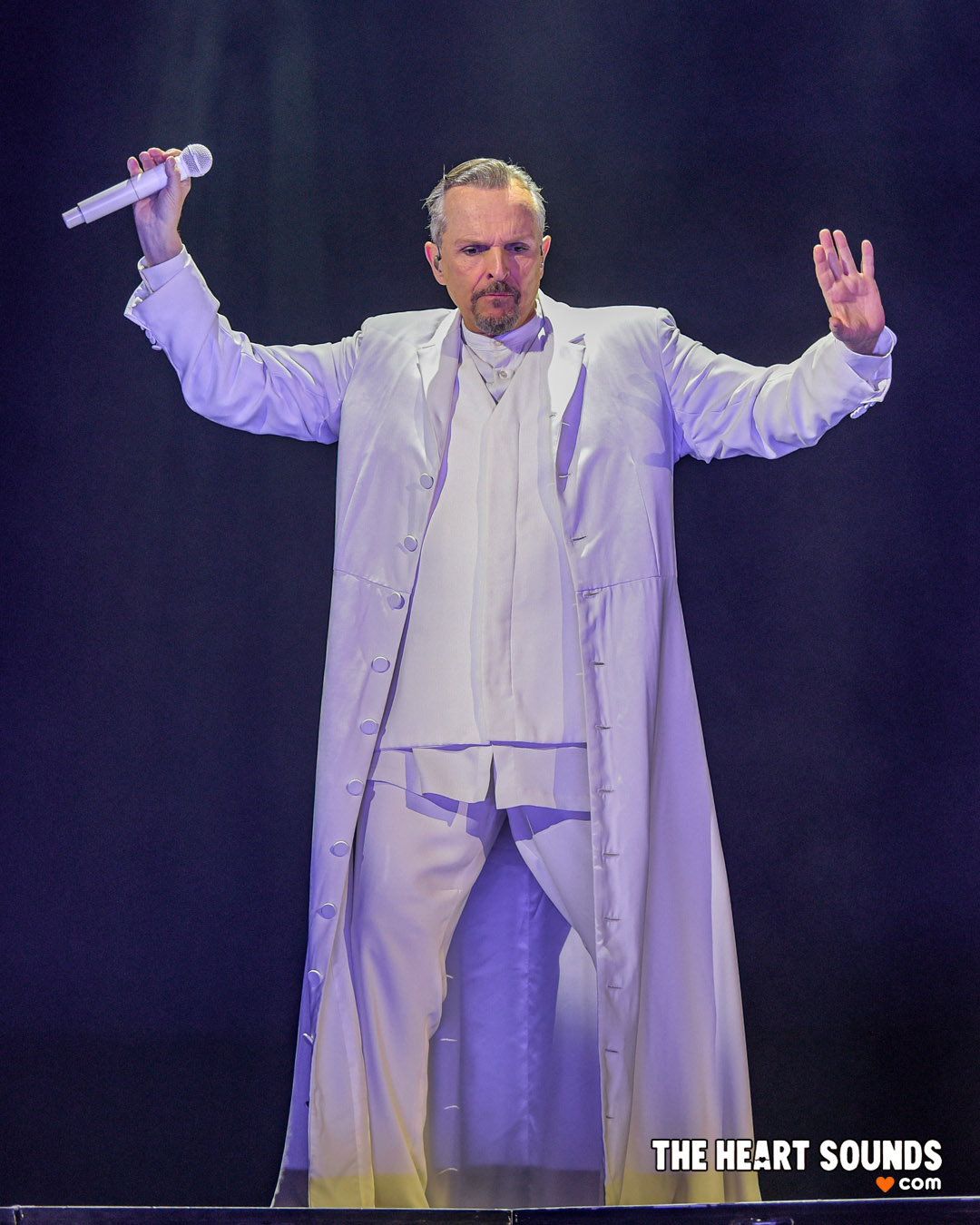
From the moment Miguel Bosé stepped onto the Freeman Coliseum stage, he moved with the confidence of a man who knows exactly who he is—unhurried, magnetic, and utterly in command. Backed by a tight group of musicians and vocalists who shadowed him seamlessly, Bosé turned the stage into a living circuit, pacing, pivoting, and drifting between platforms like an actor in a dynamic play. His constant motion wasn’t mere choreography; it was a visual translation of the emotional terrain he covered throughout the night.
He opened with “Mirarte,” “Duende,” and “El Hijo Del Capitán Trueno,” giving the room time to settle into his world. But when he pushed into the iconic stretch — “Nena,” “Como Un Lobo,” “Sevilla,” and “Morena Mía” — the crowd lit up, singing every line with a devotion that felt almost ceremonial. Bosé responded with sly smiles, flourishes of the hands, and sweeping gestures pulled straight from his theatrical heritage, never once losing connection with the audience in front of him.
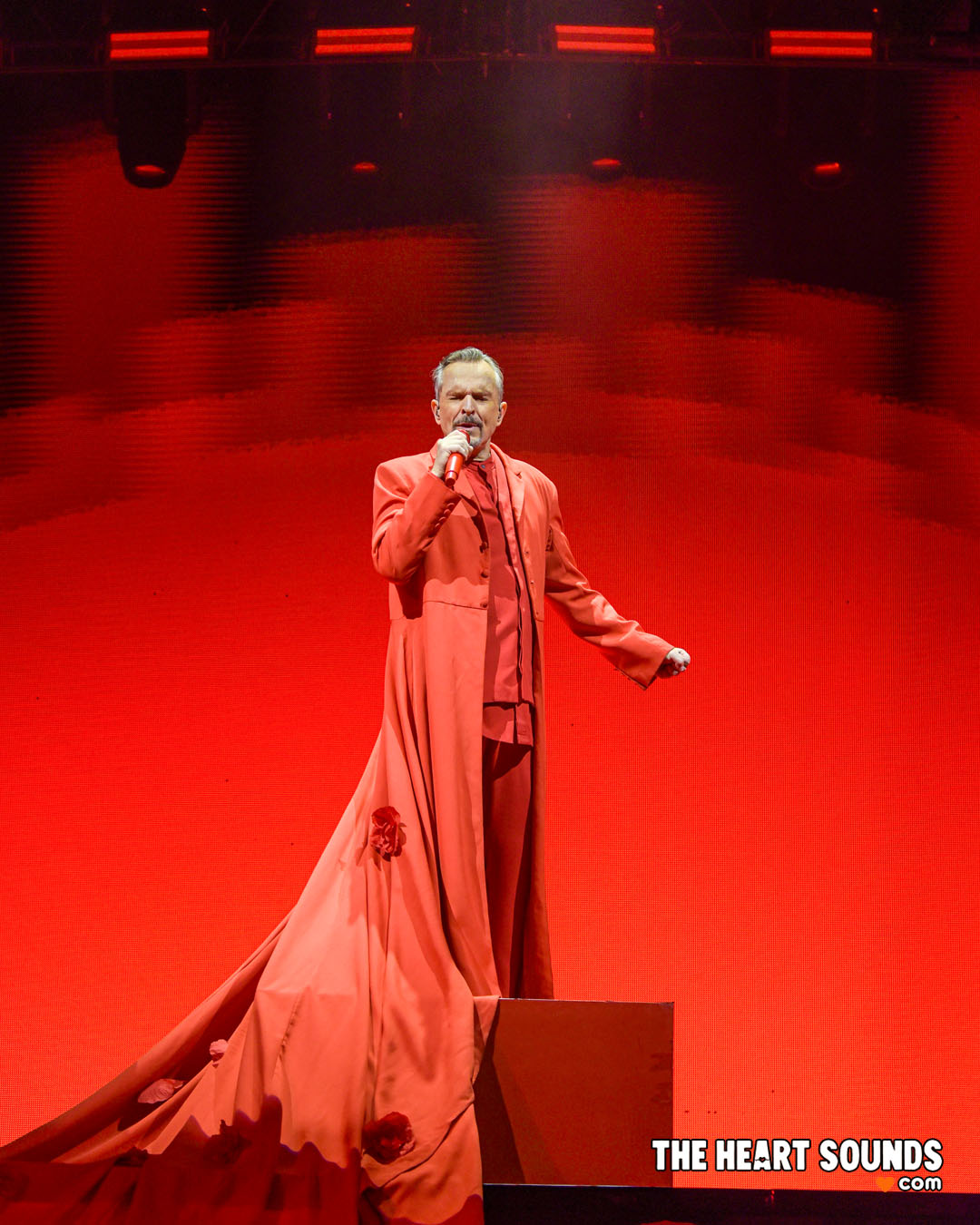
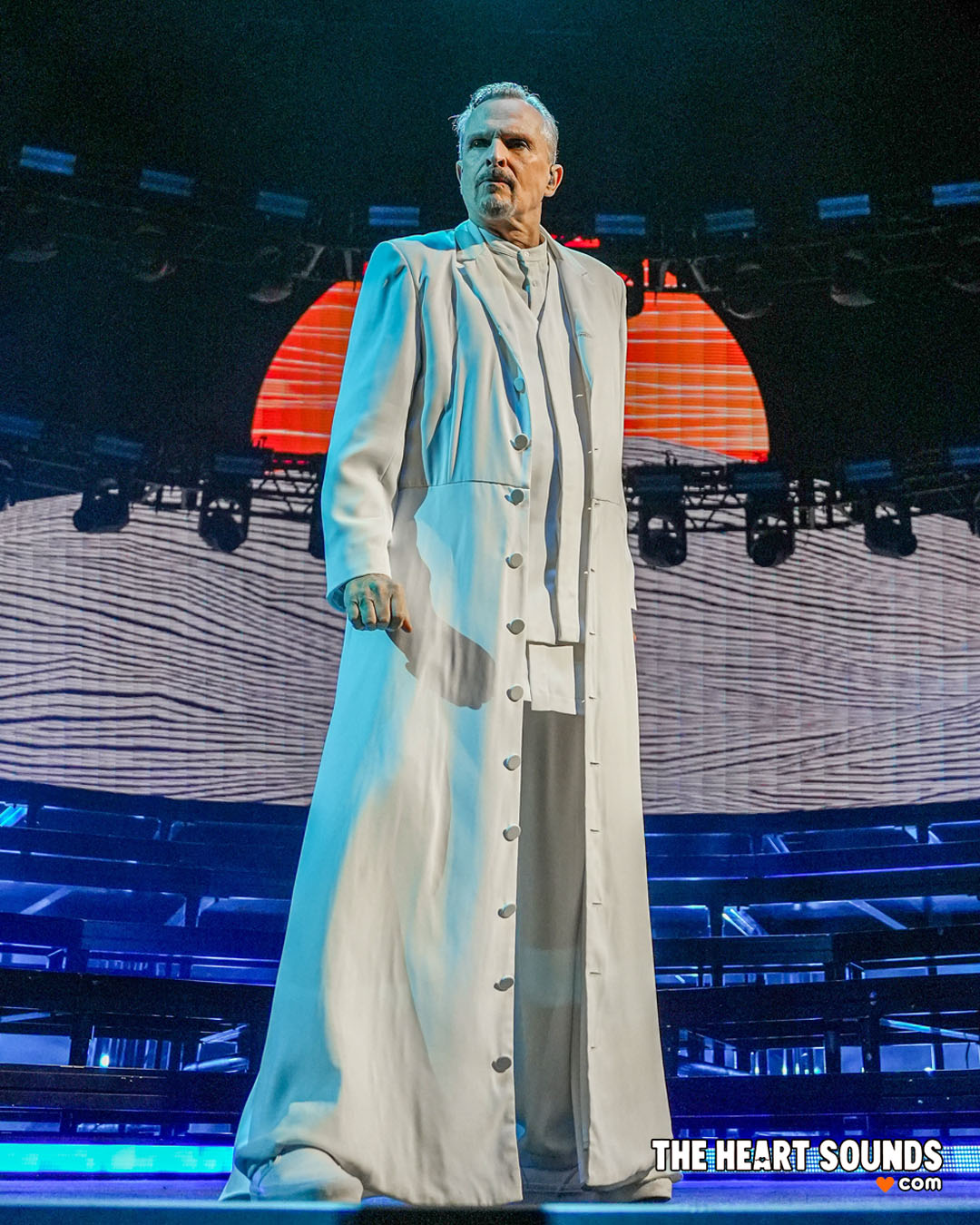
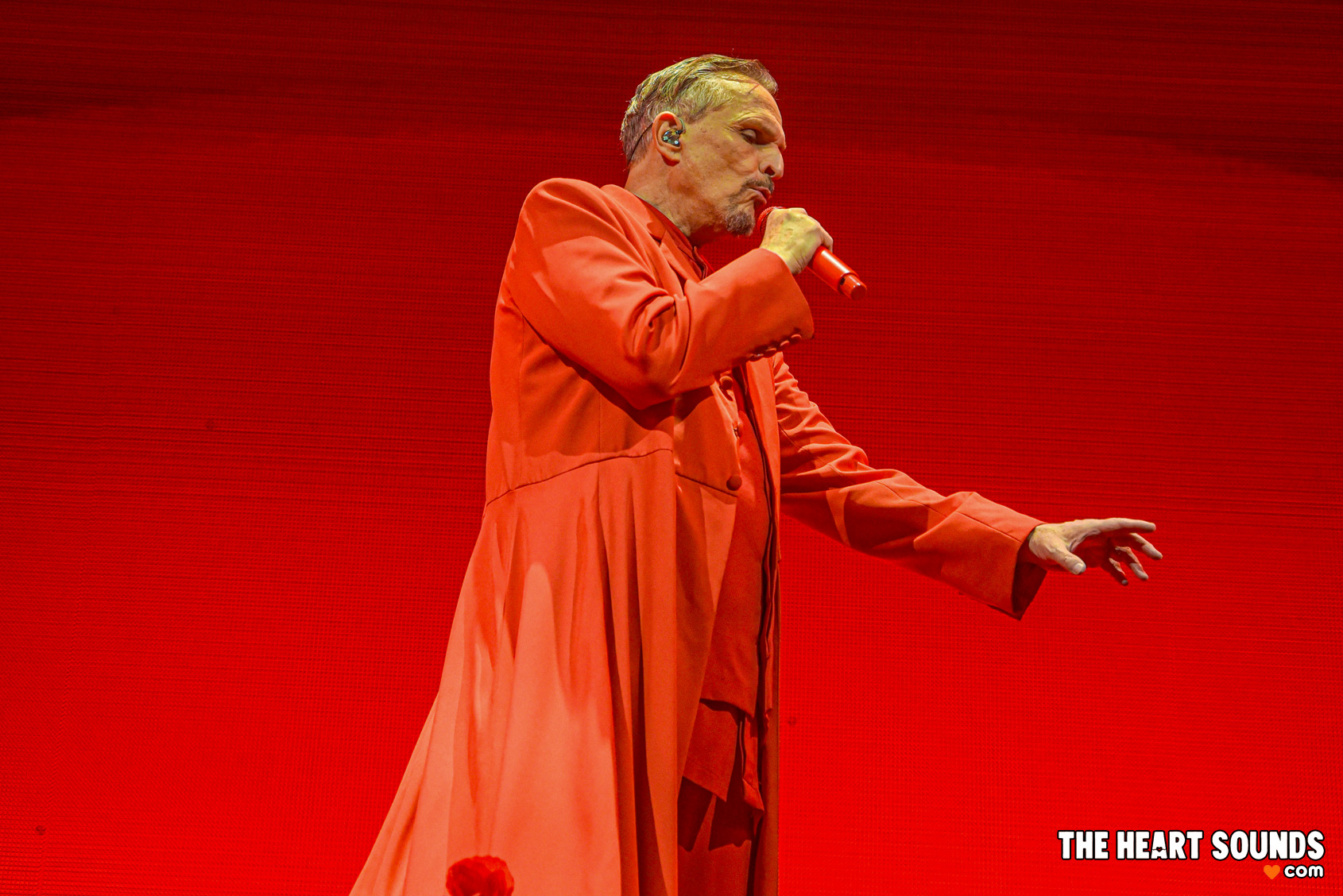
Visually, he was at his most compelling. His rotating outfits nodded to his lineage—bullfighting silhouettes, dramatic tailoring, and bold textures that added flair without overshadowing the music. As the night moved into its emotional closer—“Si Tú No Vuelves,” “Amante Bandido,” “Te Amaré,” “Don Diablo,” and the final swell of “Por Ti”—Bosé balanced vulnerability and showmanship with rare precision.
It was a performance that didn’t lean on nostalgia; it elevated it, reinterpreting beloved songs with the weight of a lifetime behind them.
A Message of PEACE!
Midway through the show, Bosé paused the momentum to deliver a heartfelt message of peace and resilience, speaking openly about his stance against war and the urgency of unity in fractured times. The moment landed with gravity, grounding the spectacle in something human and immediate. His words were paired with stunning visual design—lights shifting from deep reds to calm blues, and animated graphics pulsing behind him as if echoing his call for harmony. Throughout the night, Bosé and his team remained in constant motion, weaving around one another with polished ease, creating a performance that felt vibrant, fluid, and alive.
The Son of Shadows and Spotlight
Born into a household where fame was as present as furniture, Miguel Bosé inherited artistry from both sides of his lineage—his mother, the legendary Italian actress Lucía Bosé, and his father, famed bullfighter Luis Miguel Dominguín. The duality of cinema and the arena shaped his aesthetic long before he ever stepped behind a microphone. Raised between Spain, Italy, and the wider world, Bosé absorbed a spectrum of cultural influences that later surfaced in his genre-blending sound.
His career began in the late ’70s, but he refused to remain fixed in any era, constantly reinventing himself through fashion, sound, and performance. What makes Bosé unique isn’t just longevity—it’s evolution. He moves like someone who has made peace with reinvention, who understands that art must mutate to stay alive. On the Importante Tour, that legacy of transformation feels more vivid than ever.
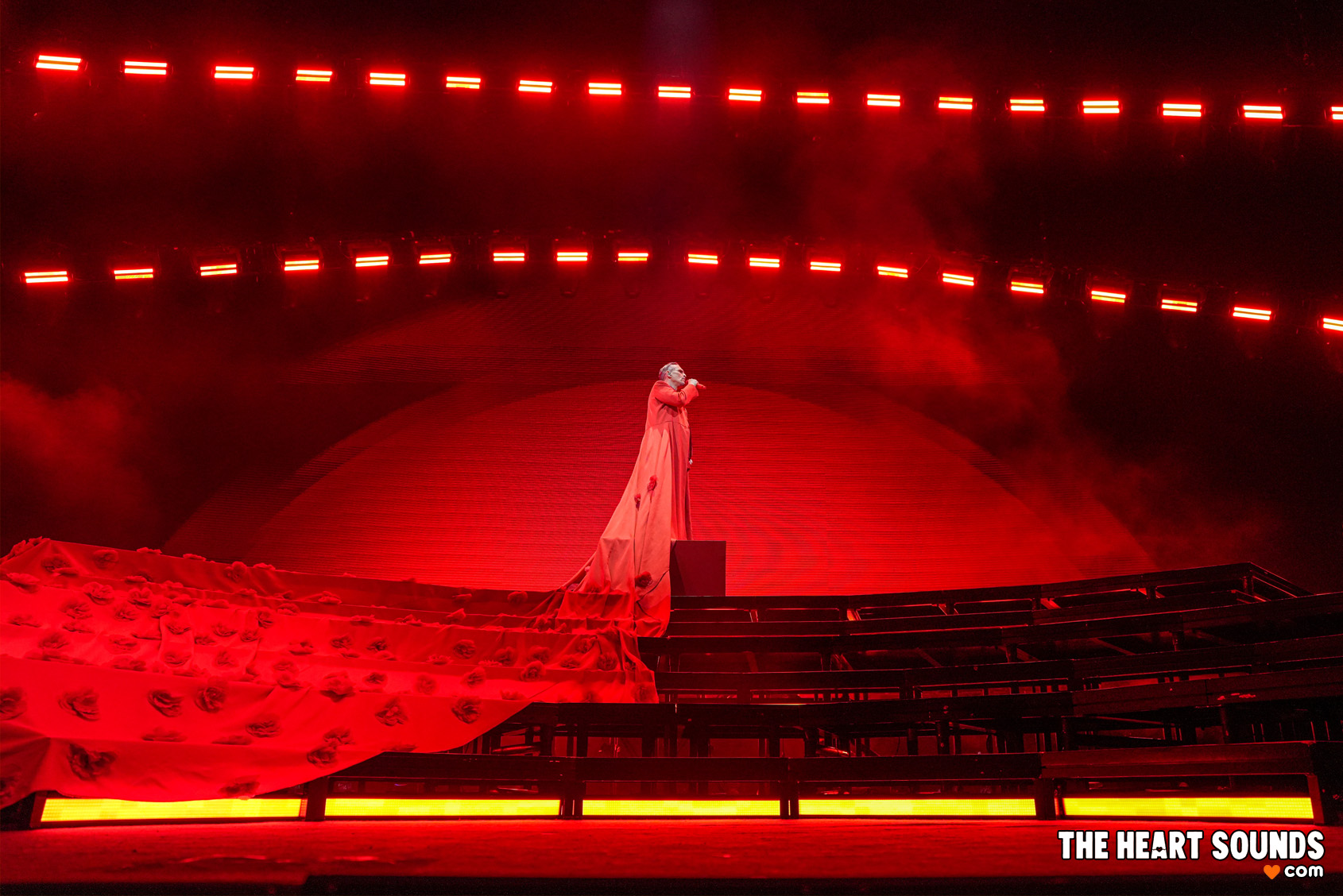
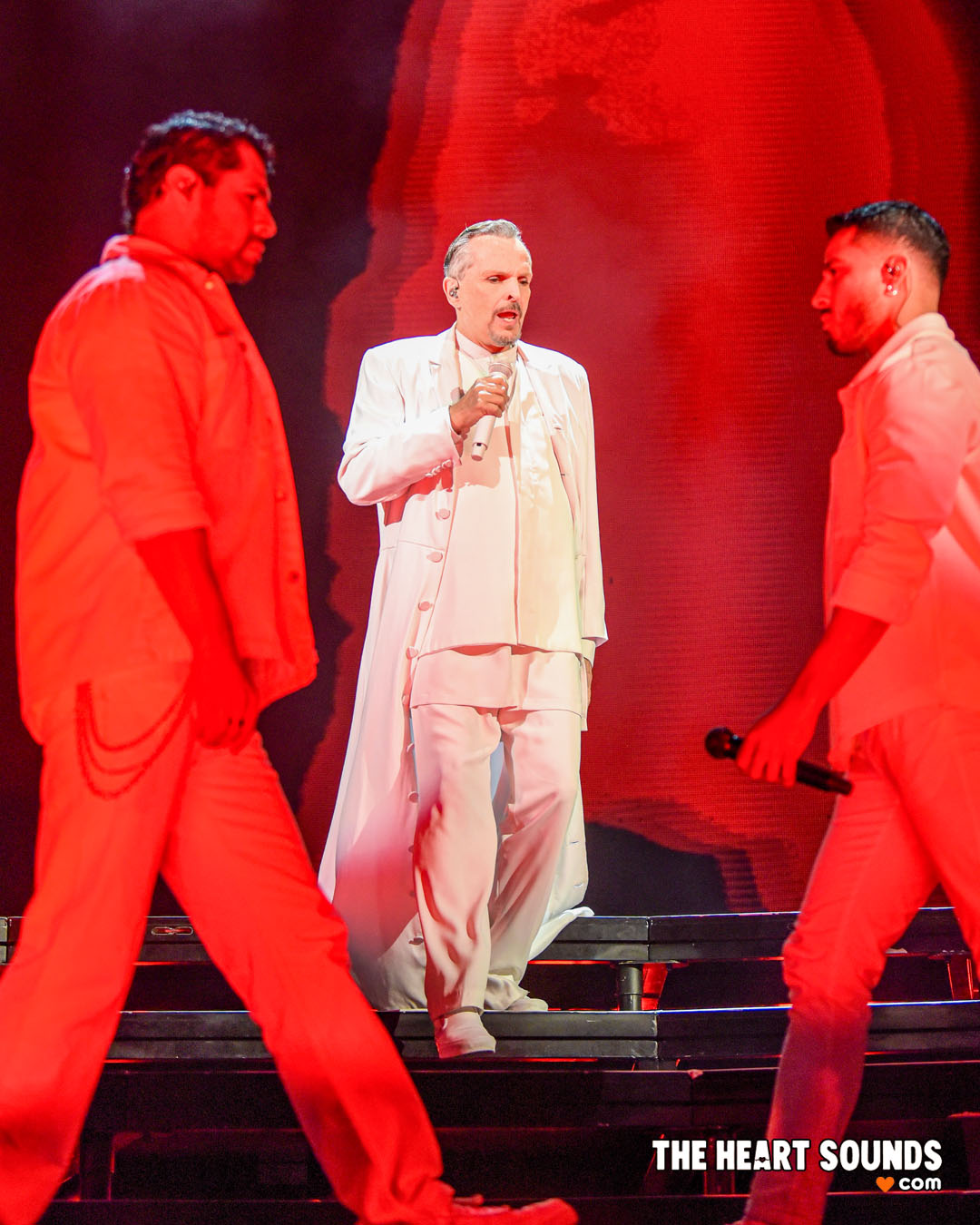
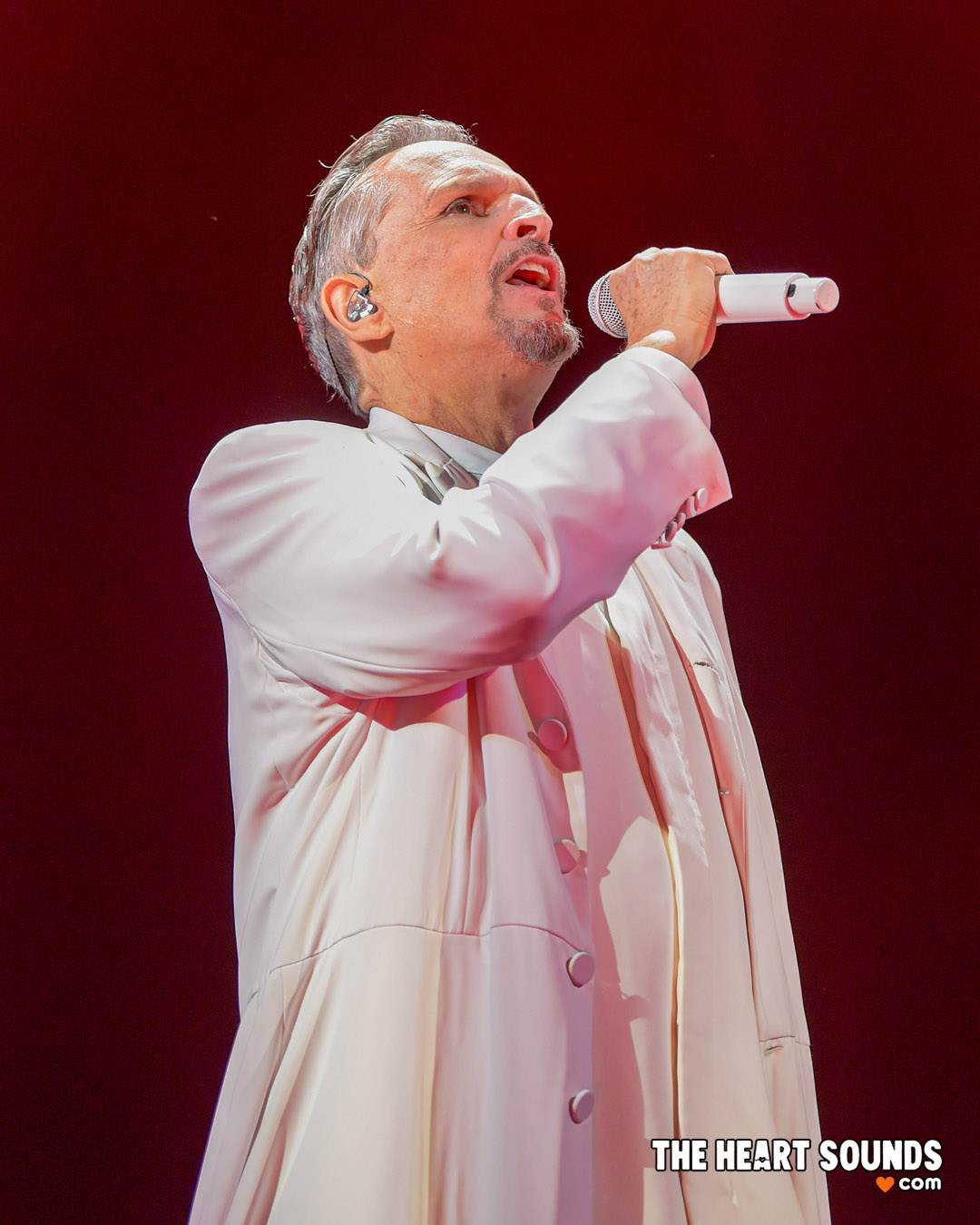
As the final notes of “Por Ti” rippled through Freeman Coliseum, the night closed not with spectacle, but with a sense of collective exhale—a room full of strangers briefly united in memory, motion, and meaning. Miguel Bosé delivered more than a concert; he delivered a reminder of how deeply music can anchor us, especially as time continues its relentless forward push.
For fans who’ve grown alongside him, this show wasn’t just entertainment. It was a reflection of decades lived, loves lost, and identities reshaped. Bosé stood on that stage as both icon and interpreter, offering a space to revisit the past while embracing the present without hesitation.
In a world overwhelmed by noise, his performance carved out something rare: clarity, emotion, and the lingering certainty that some artists don’t just endure — they illuminate.
MIGUEL BOSÉ – San Antonio, TX, – 11/15/2025
- Mirarte
- Duende
- El Hijo del Capitán Trueno
- Nena
- Aire soy
- Bambú
- Este Mundo Va
- Sereno
- Solo Sí
- Hacer Por Hacer
- Como Un Lobo
- Nada Particular
- Olvídame Tú
- Sevilla
- Amiga
- Creo En Ti
- Partisano
- Puede Que
- Morena Mía
- Si Tú No Vuelves
- Amante Bandido
- Te Amaré
- Don Diablo
- Por Ti