Swedish titans bring depth, drama, and devastating riffs to the stage!
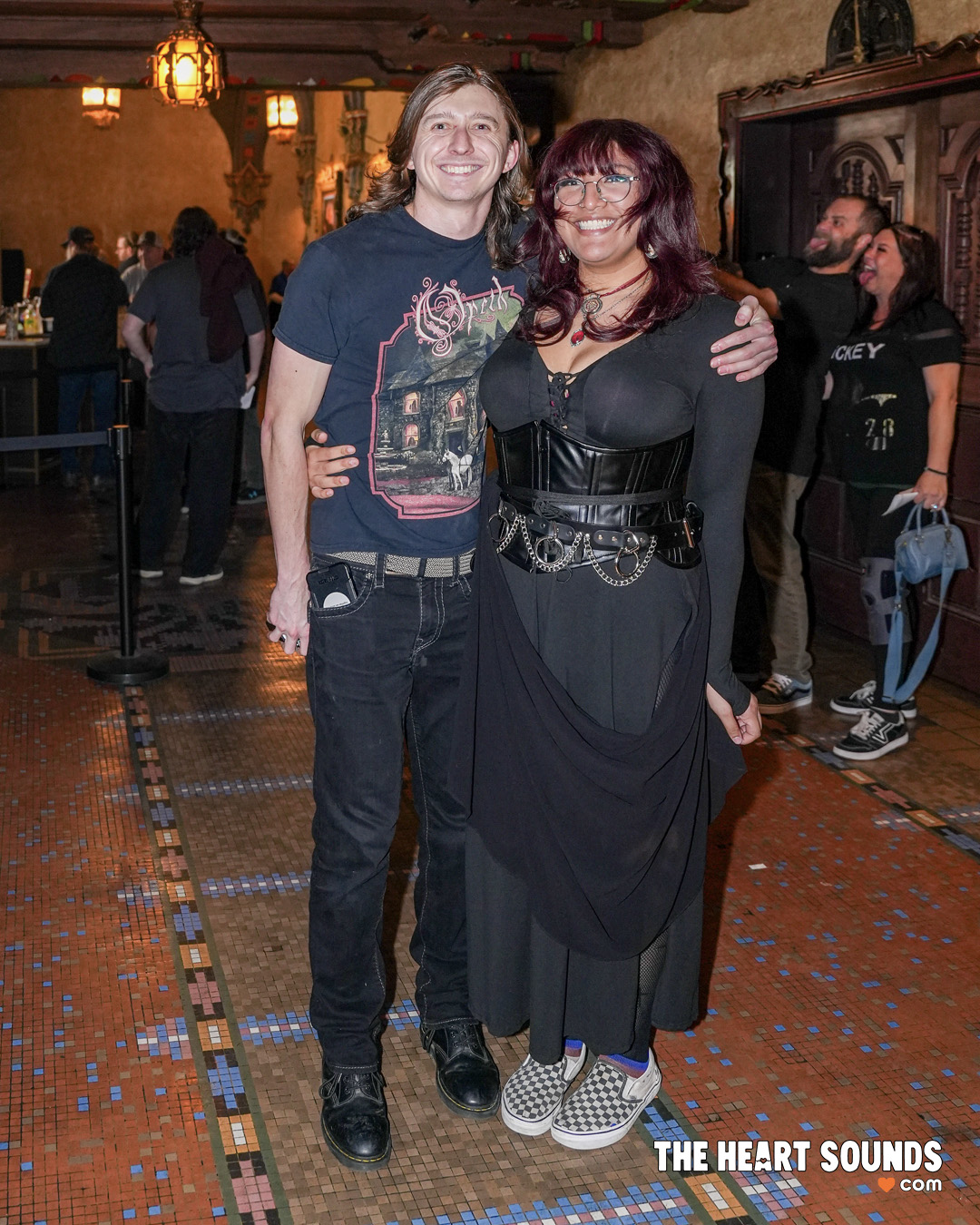
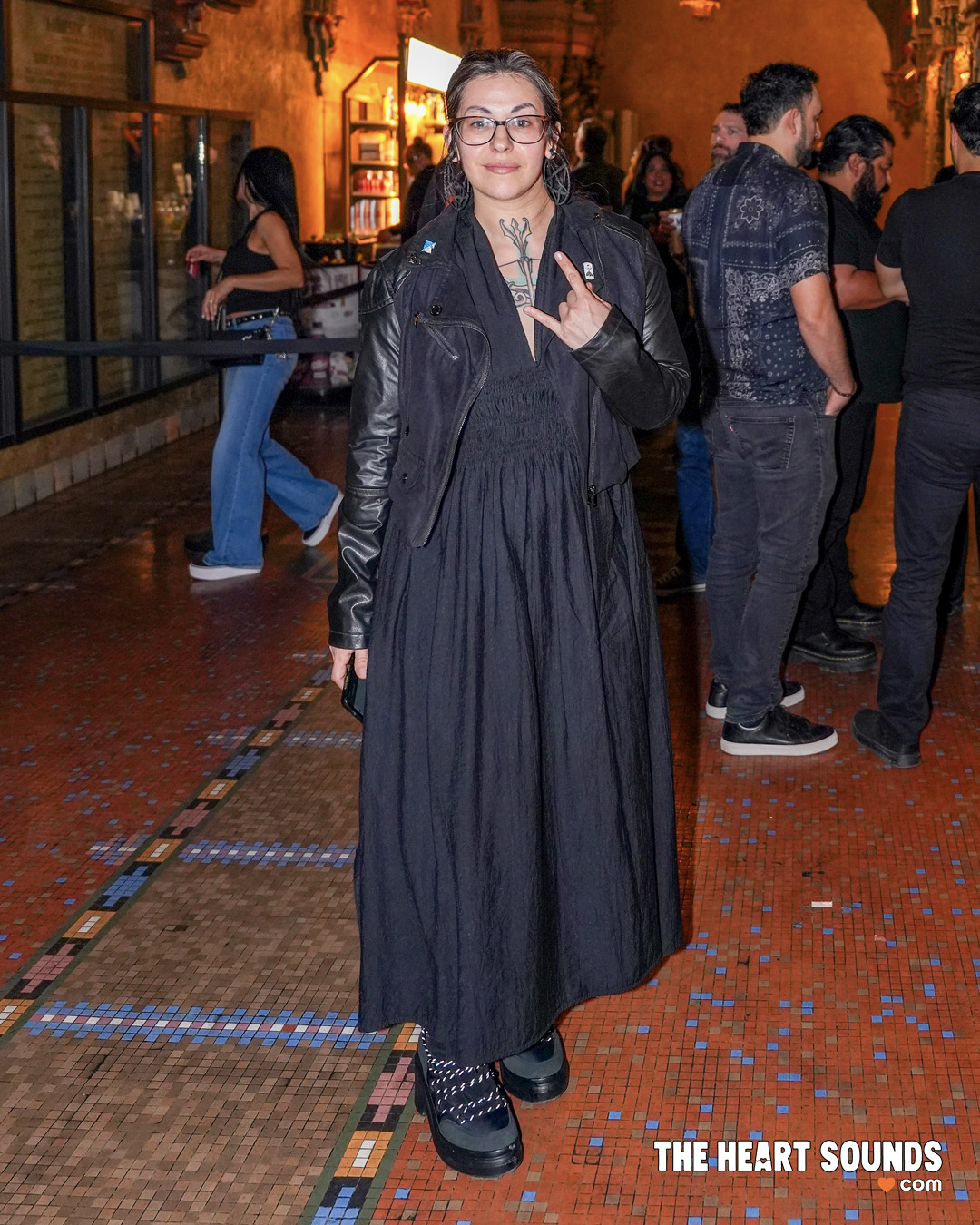
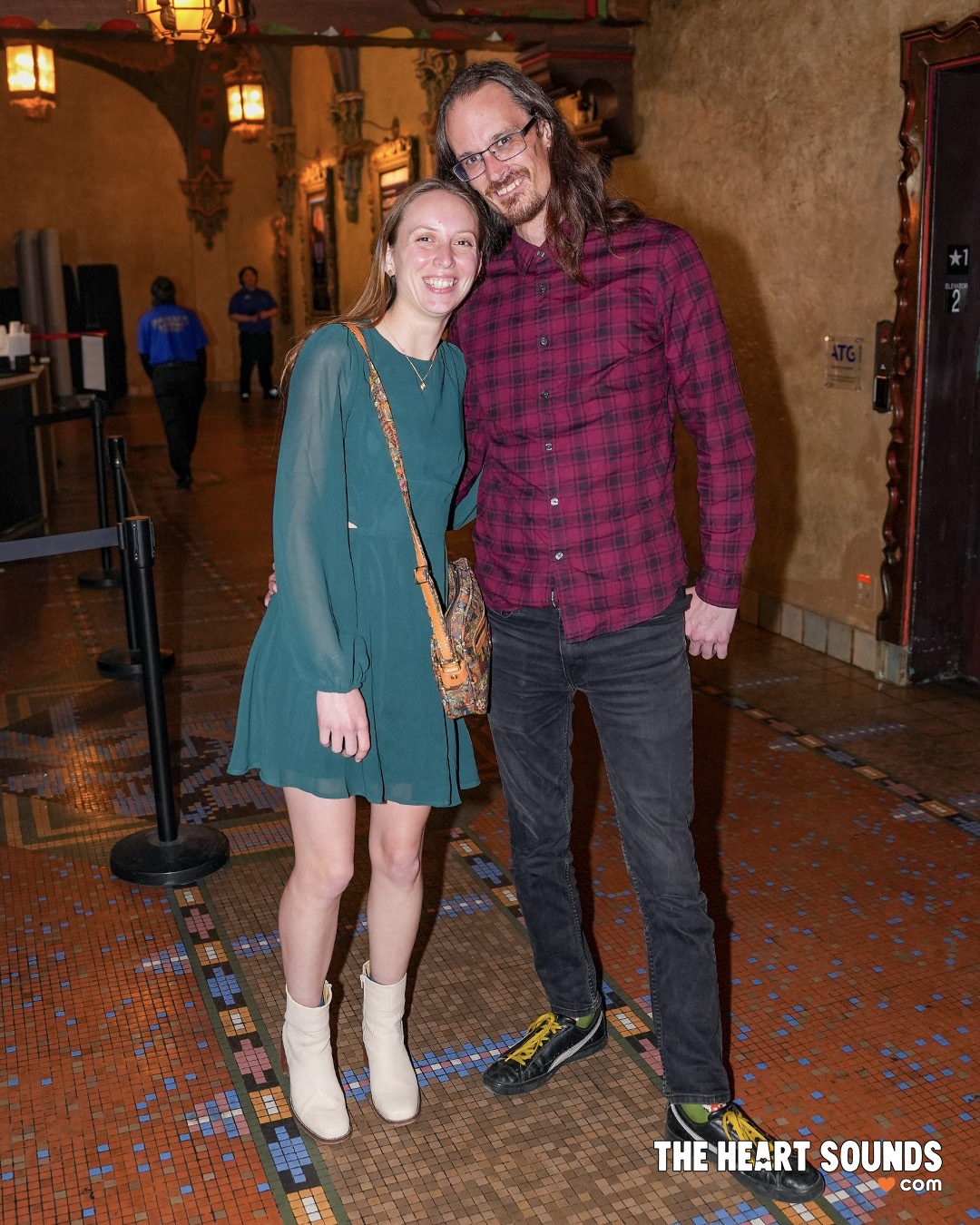
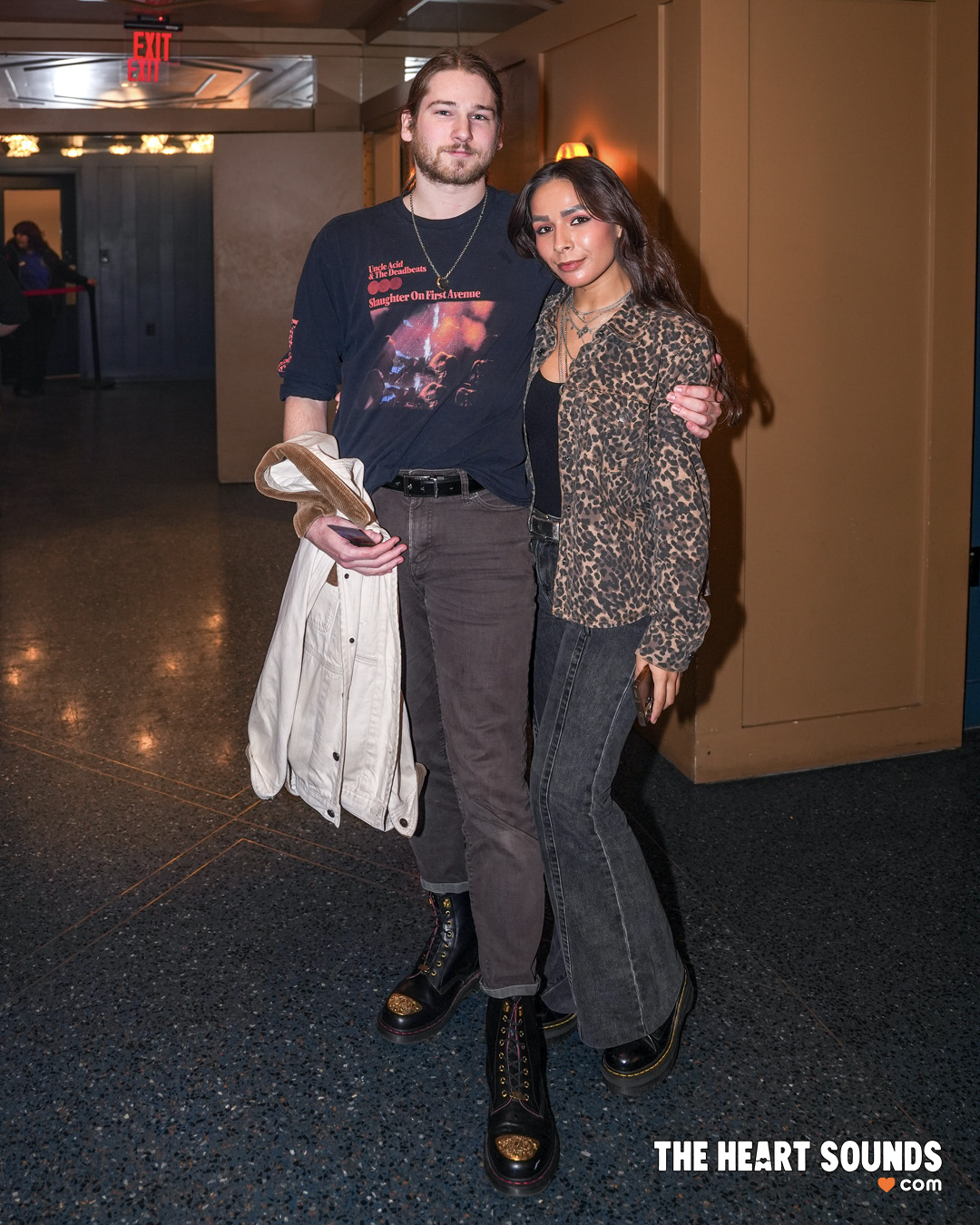
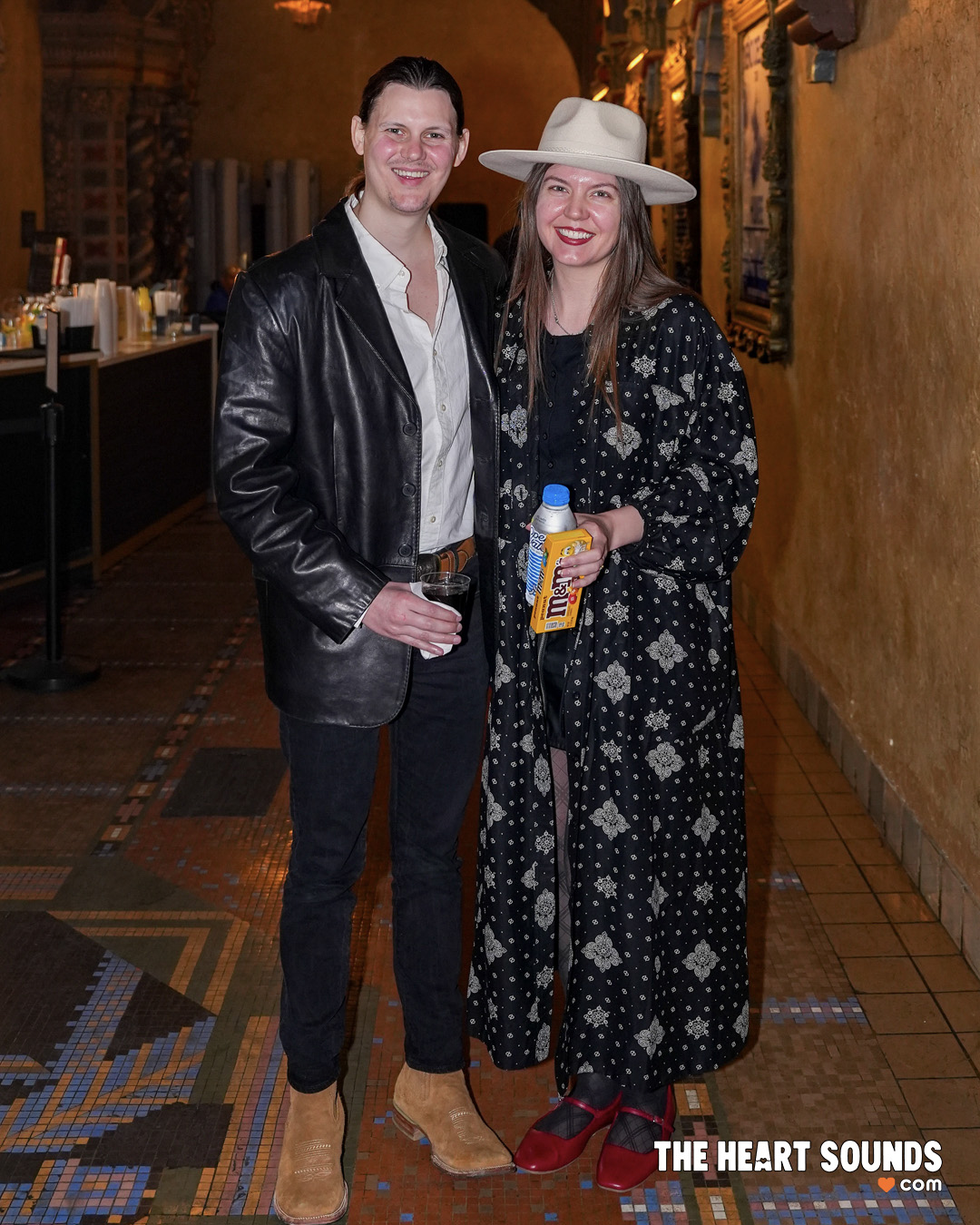
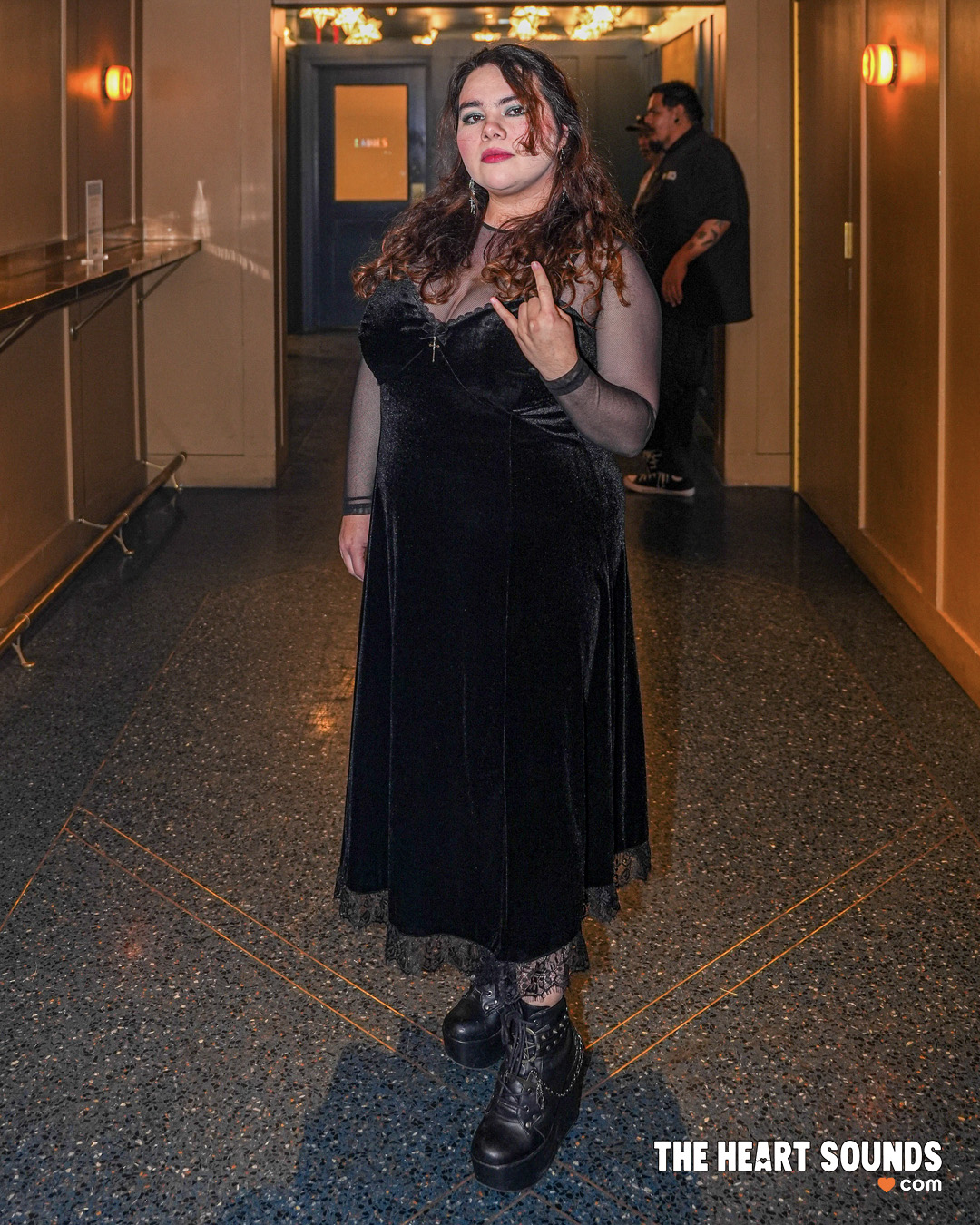
By the time the doors opened at the Majestic Theatre in San Antonio, Texas, last night, the line wrapped around the block with quiet intensity. This was not a casual night out. The crowd skewed seasoned, dressed in black band tees softened by decades of wear, leather jackets that had seen many tours, and the unmistakable patience of fans who value craft over spectacle. Conversations floated through the lobby about favorite albums, deep cuts, and how many times they had seen OPETH before.
The Majestic itself felt almost ceremonial, its ornate ceilings and historic charm creating a striking contrast to the sonic heaviness that awaited inside. There was anticipation in the air, but it was focused and reverent. No chaos, no frenzy. Just a shared understanding that this would be an evening of musicianship at the highest level.
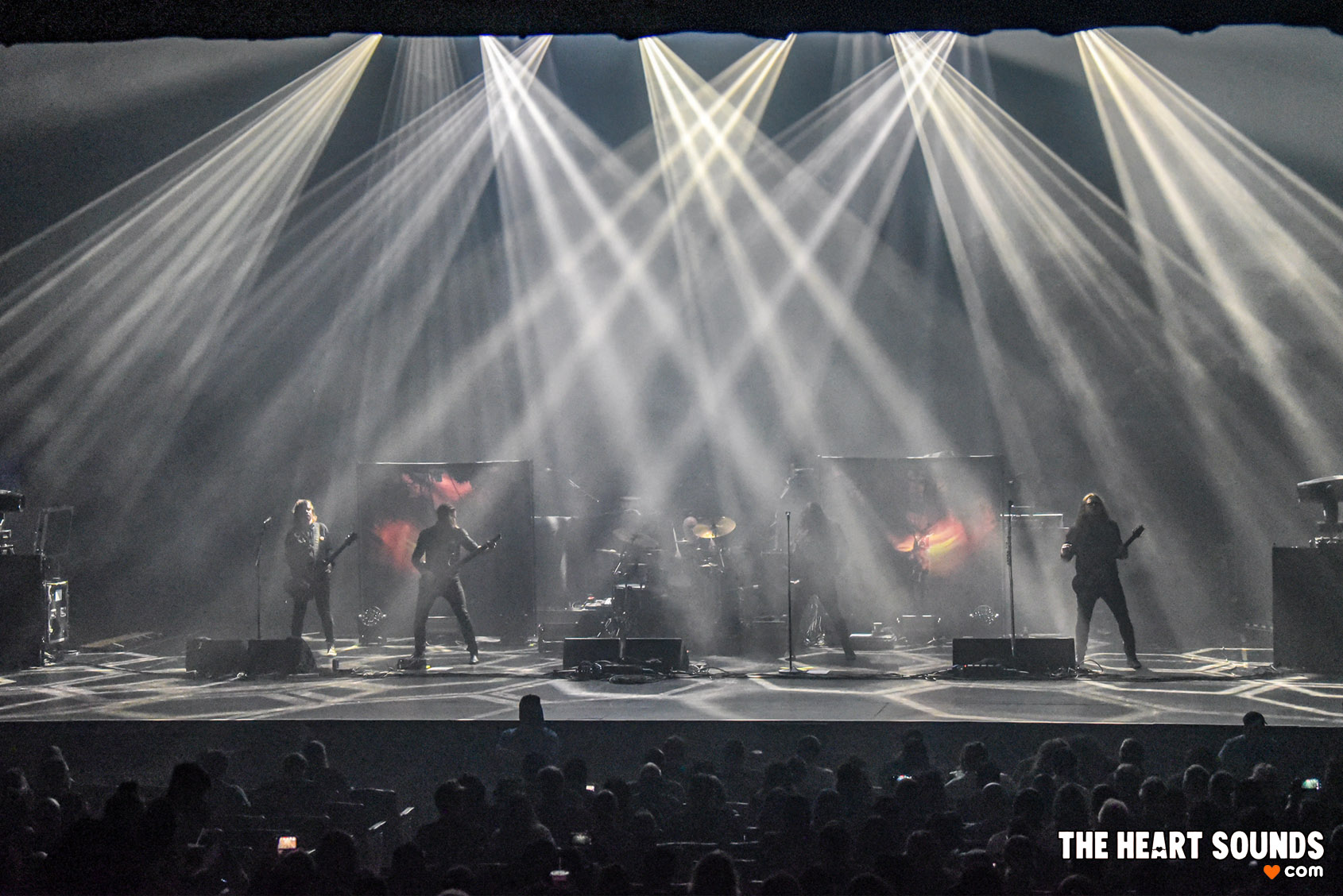
As the lights dimmed, a low hum rolled across the theater. Phones lowered. Shoulders squared. The stage glowed faintly, smoke curling upward like a signal. Two bands from Sweden. Two legacies. One night that promised depth, darkness, and something far beyond nostalgia.
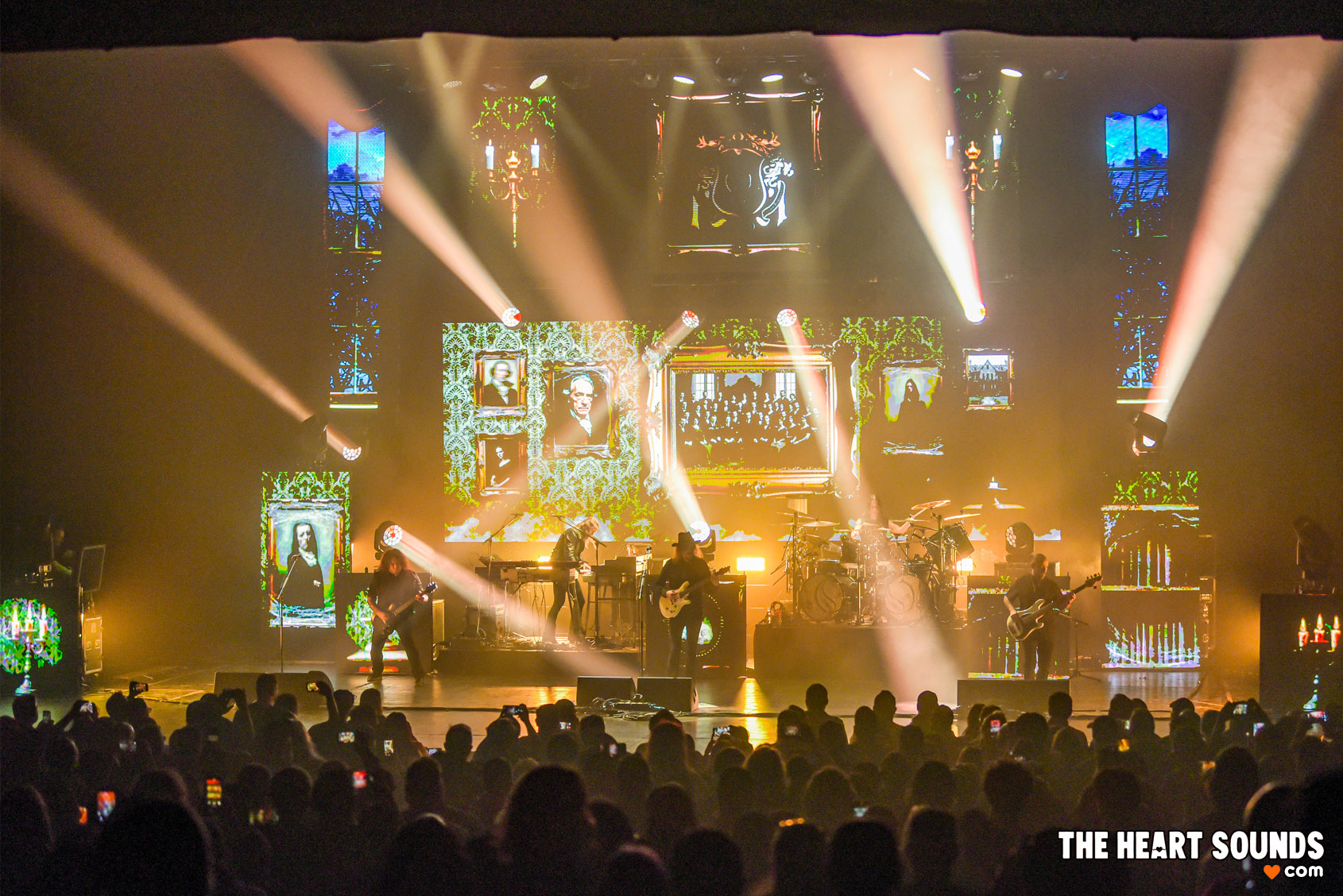
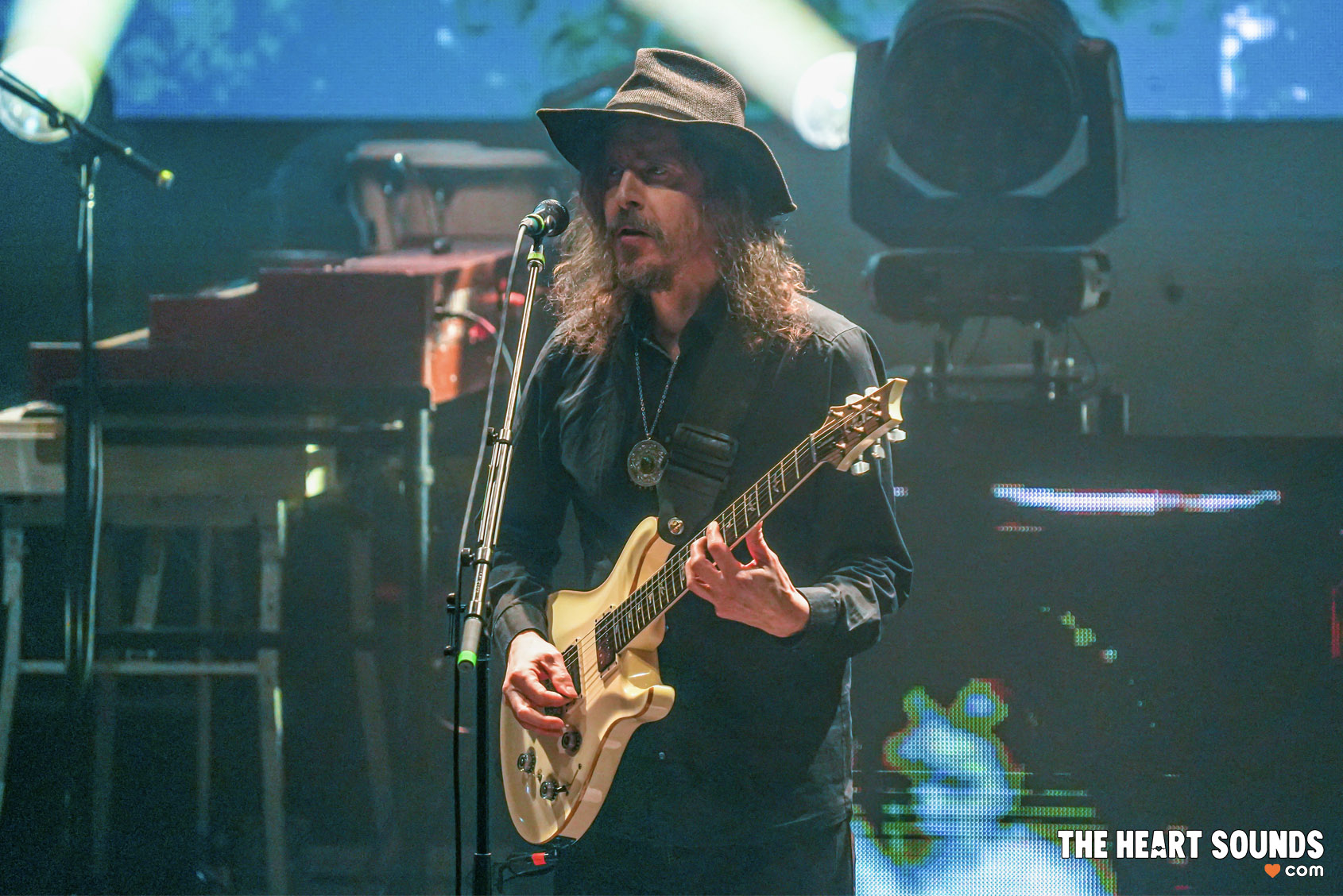
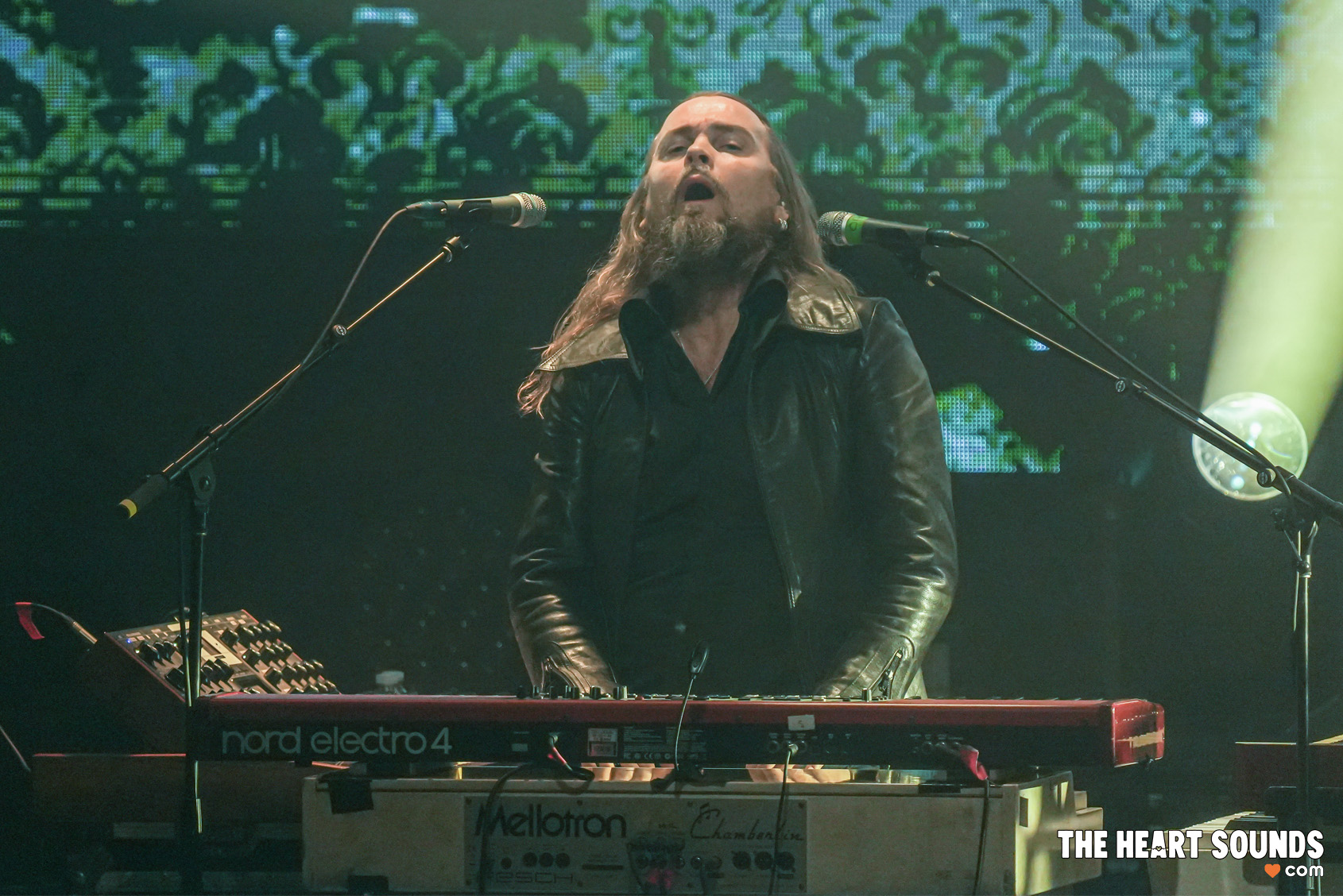
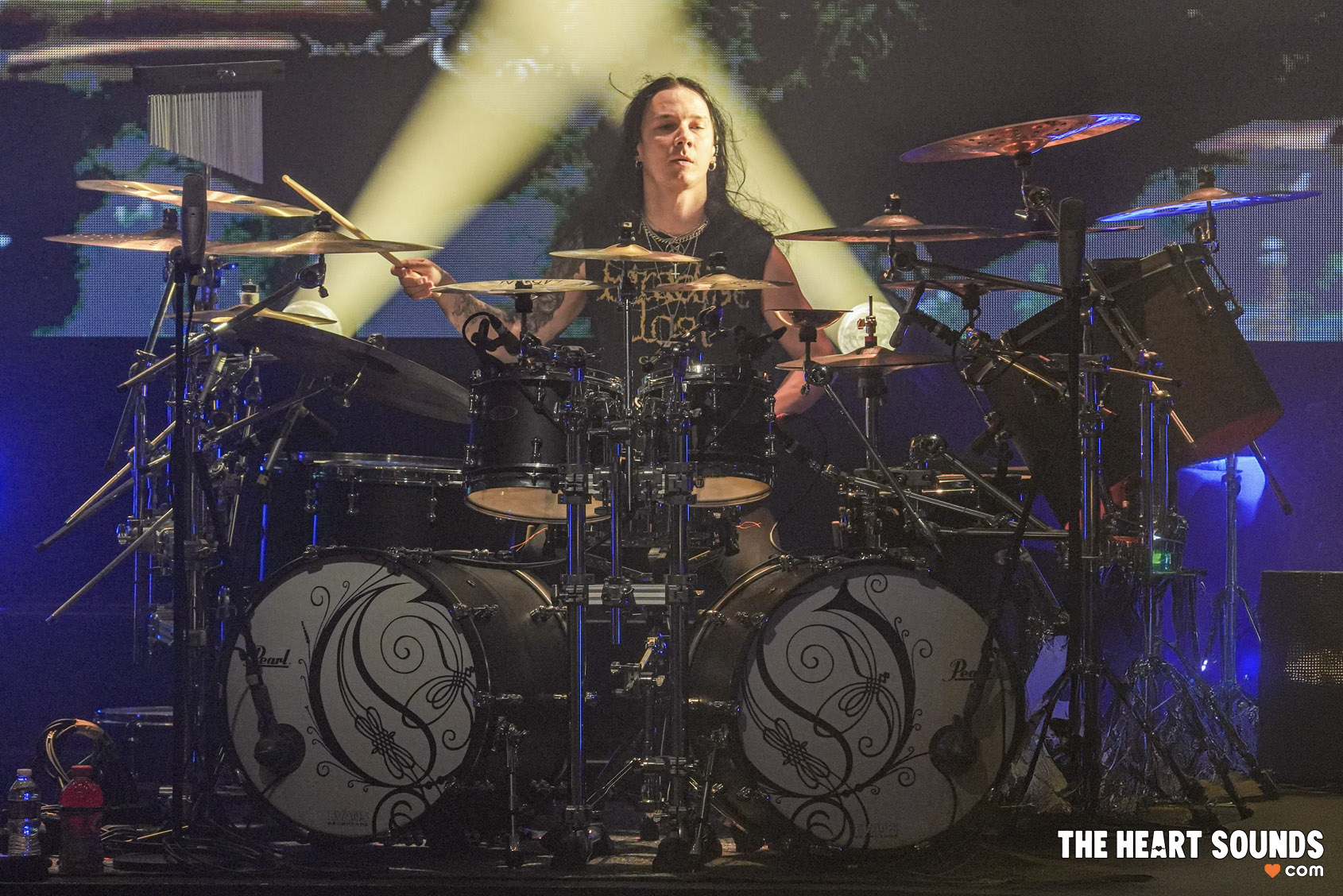
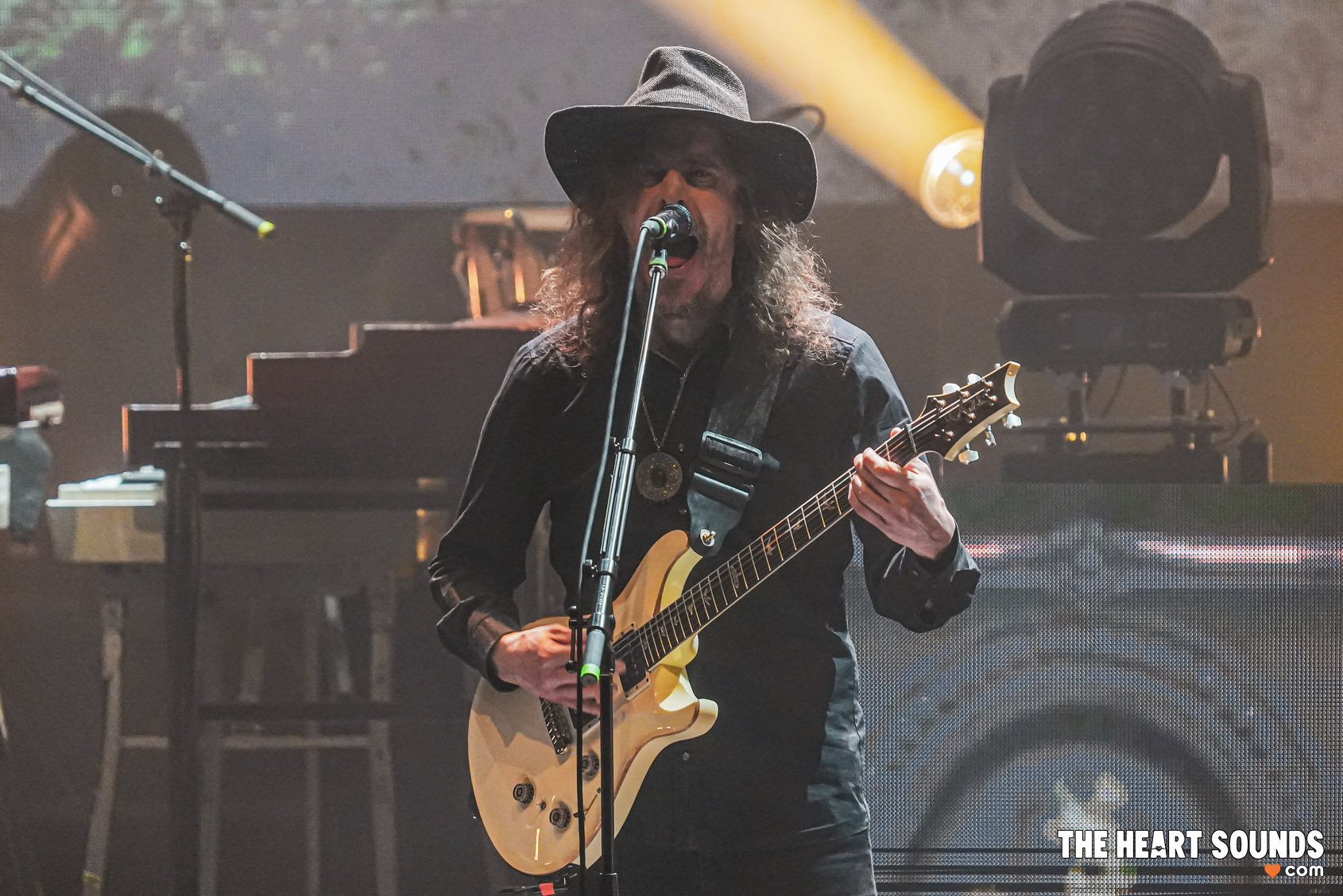
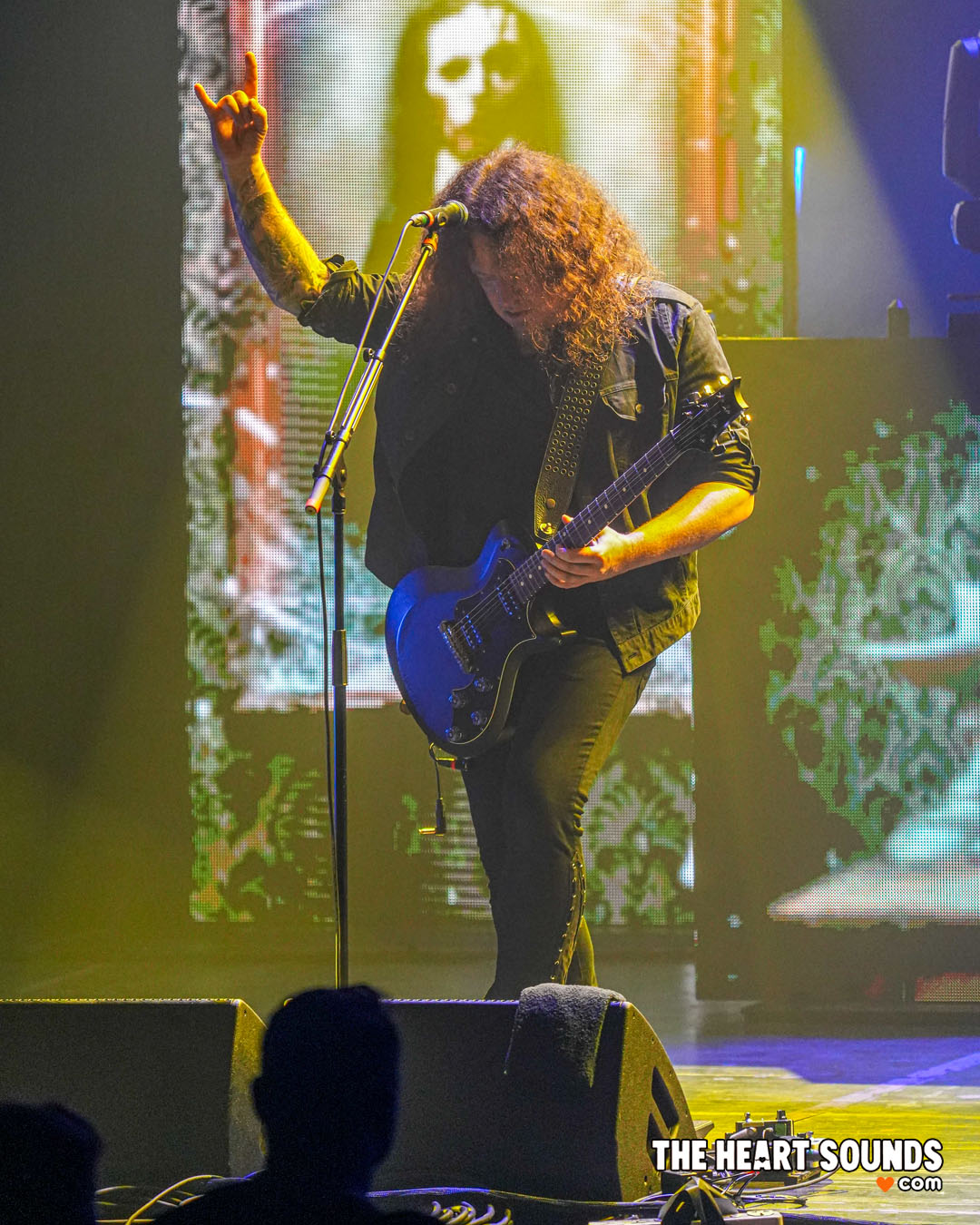
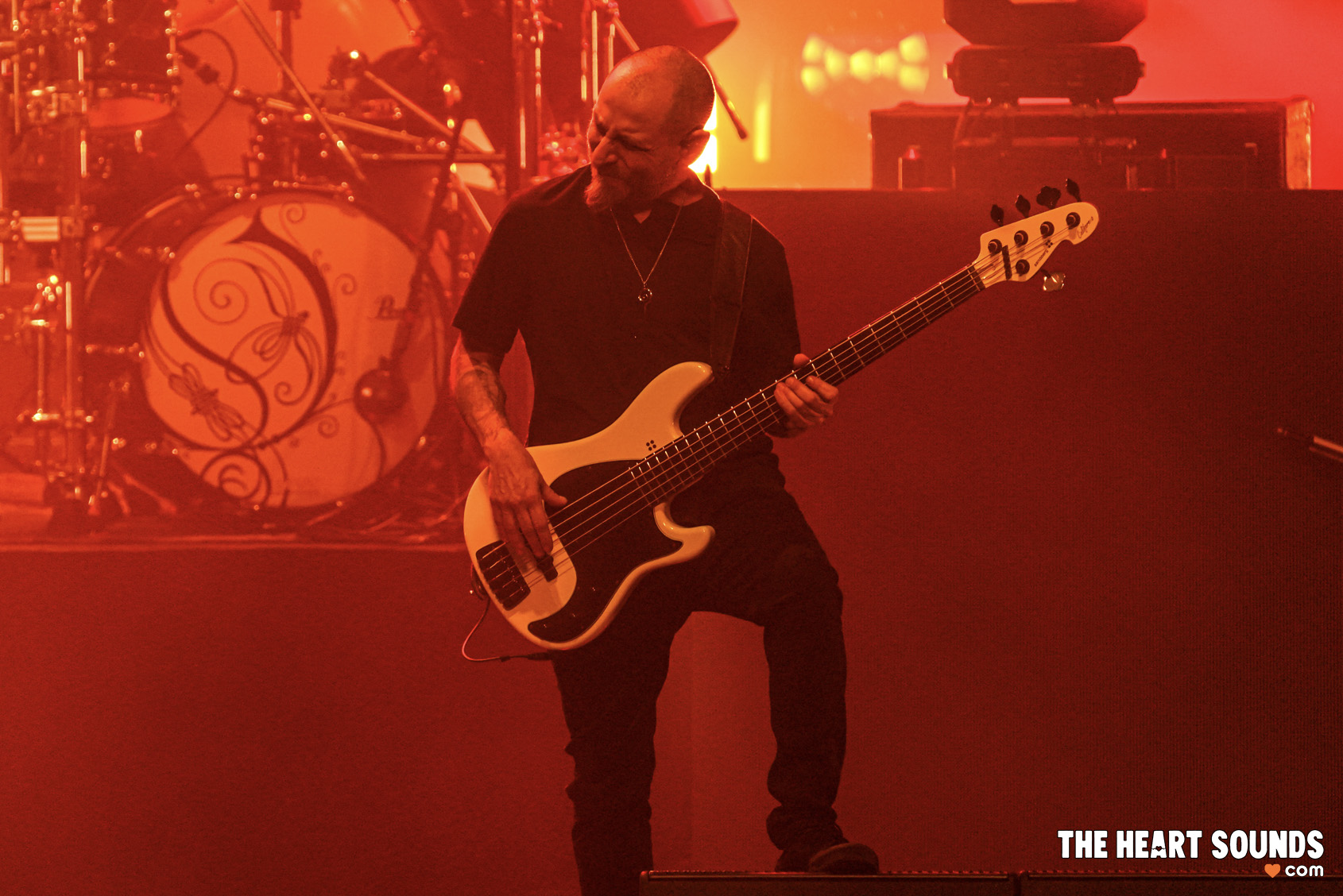
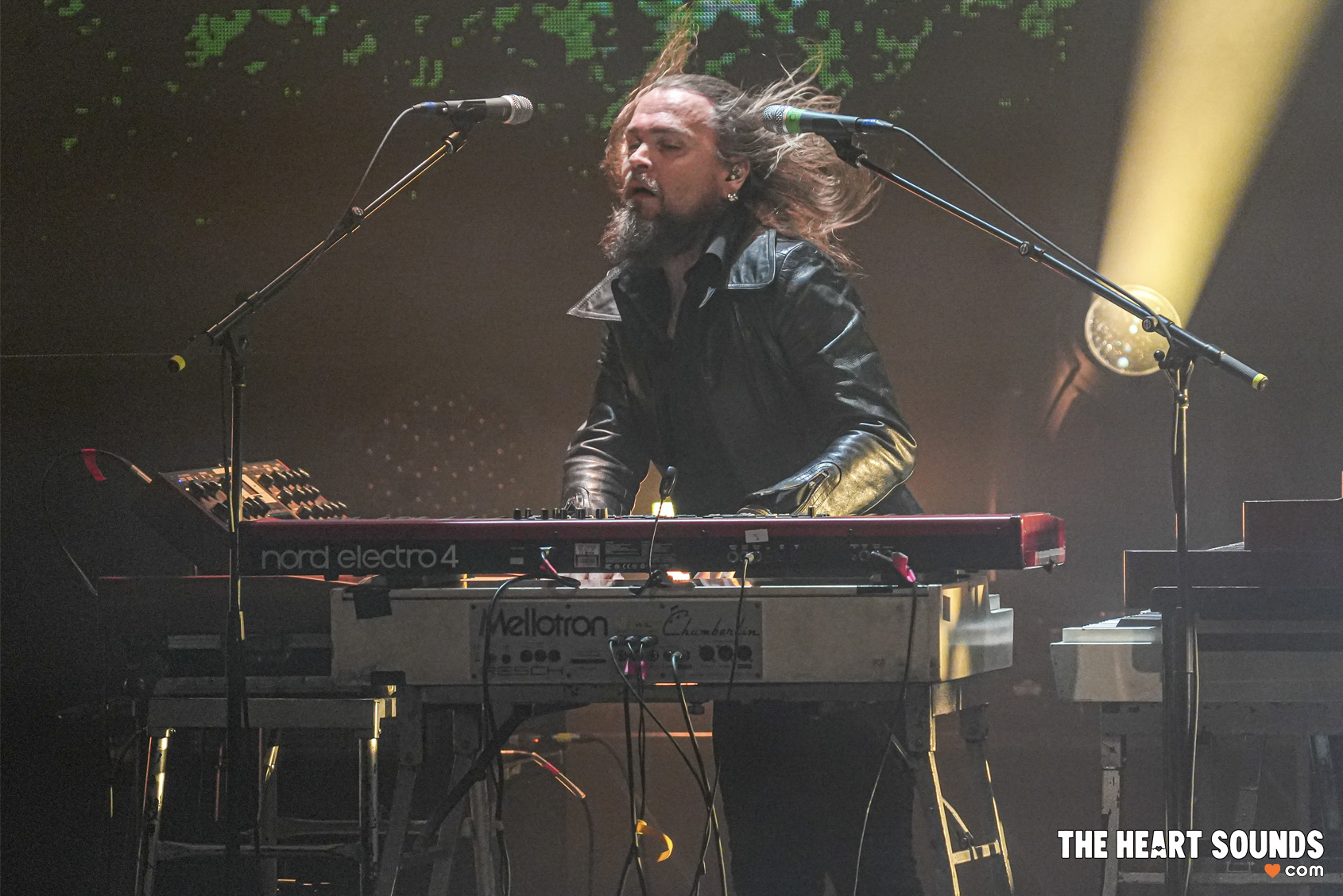
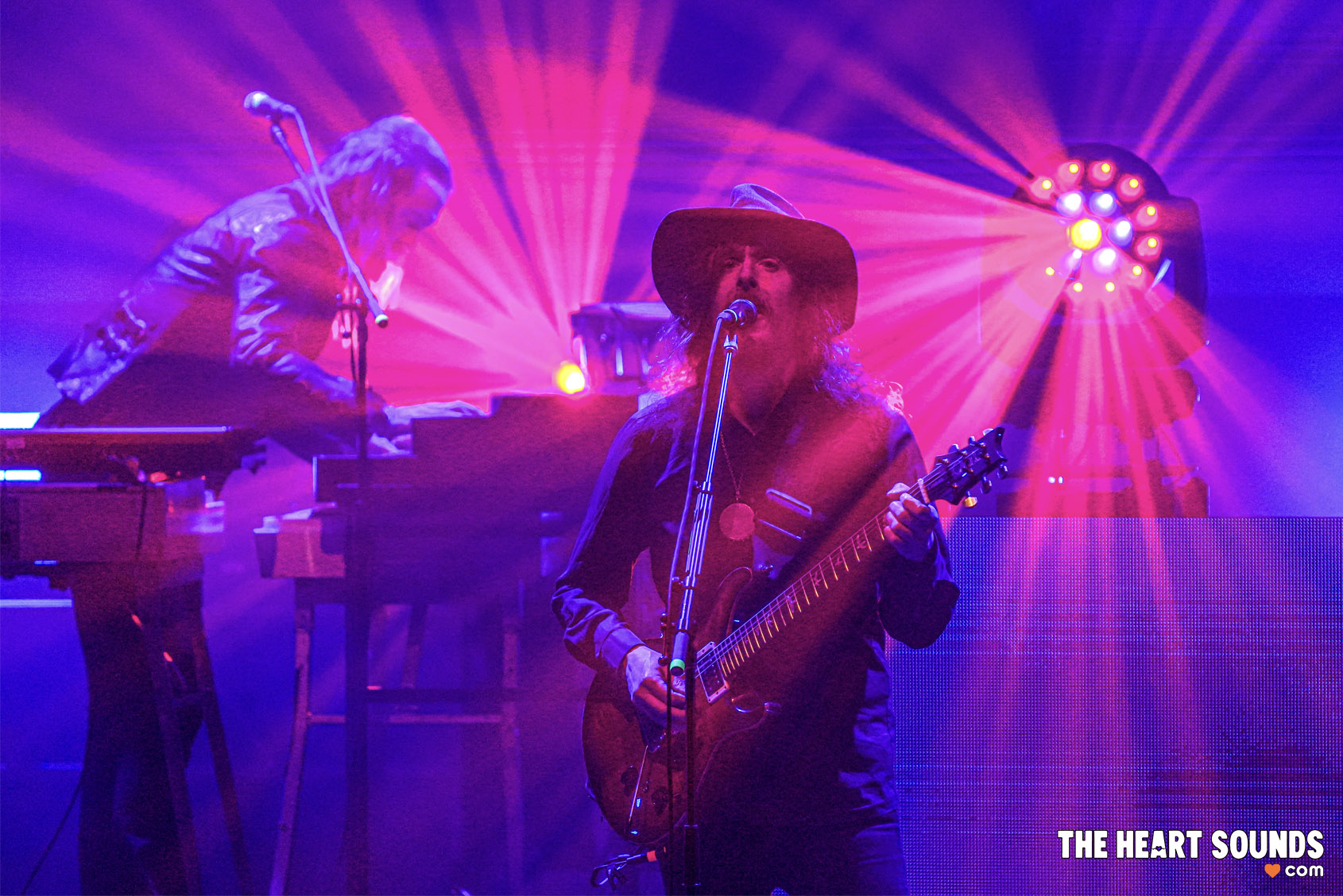
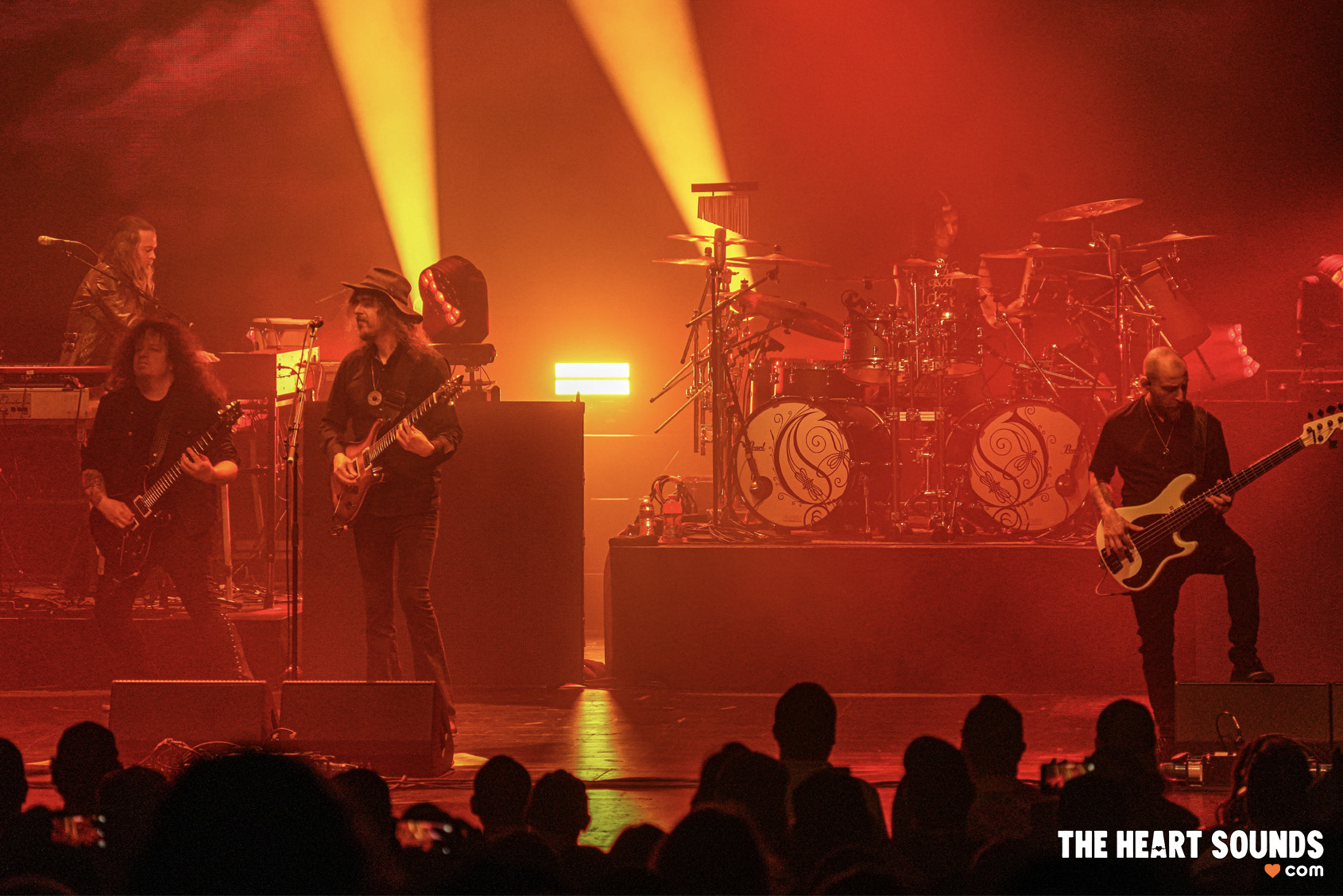
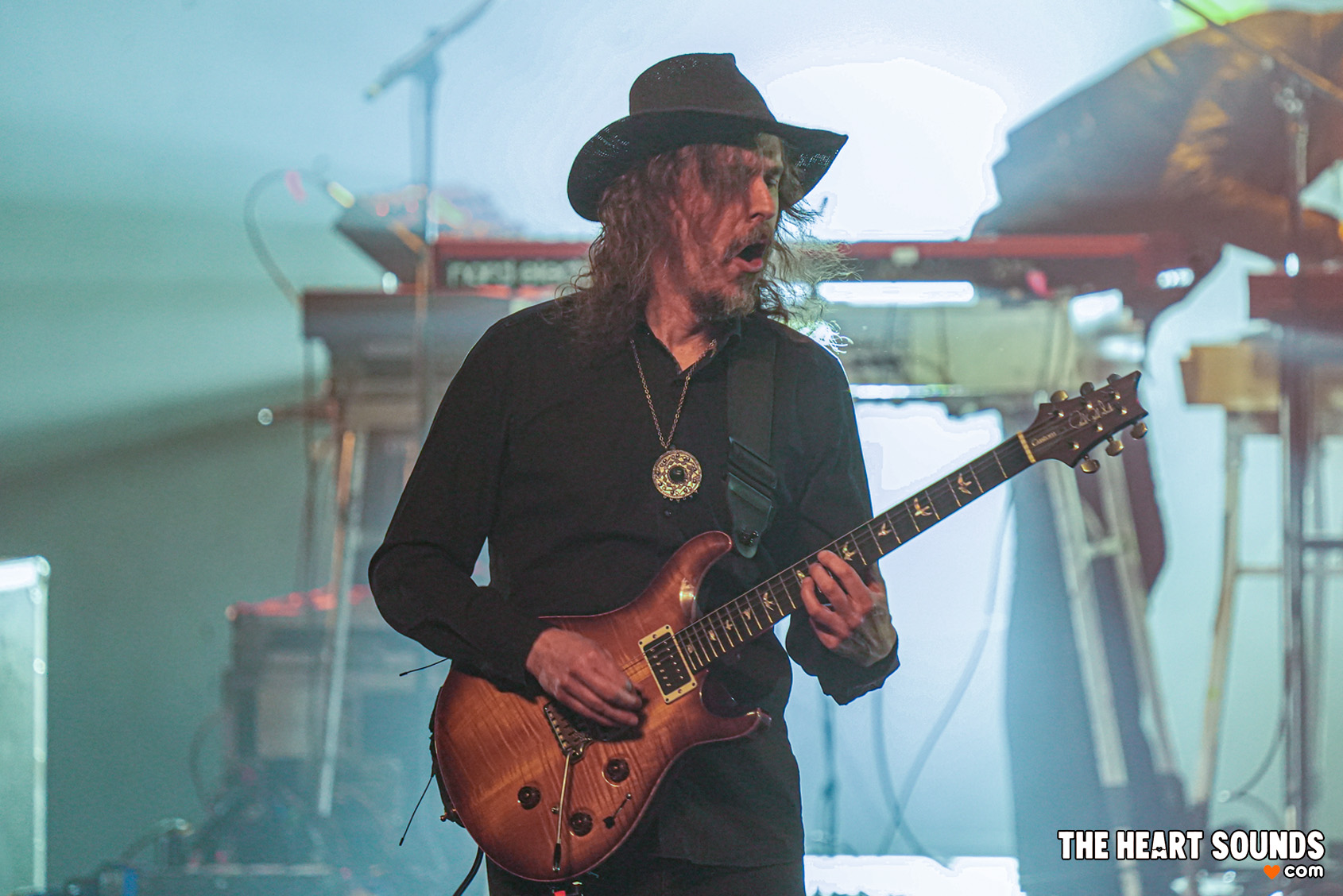
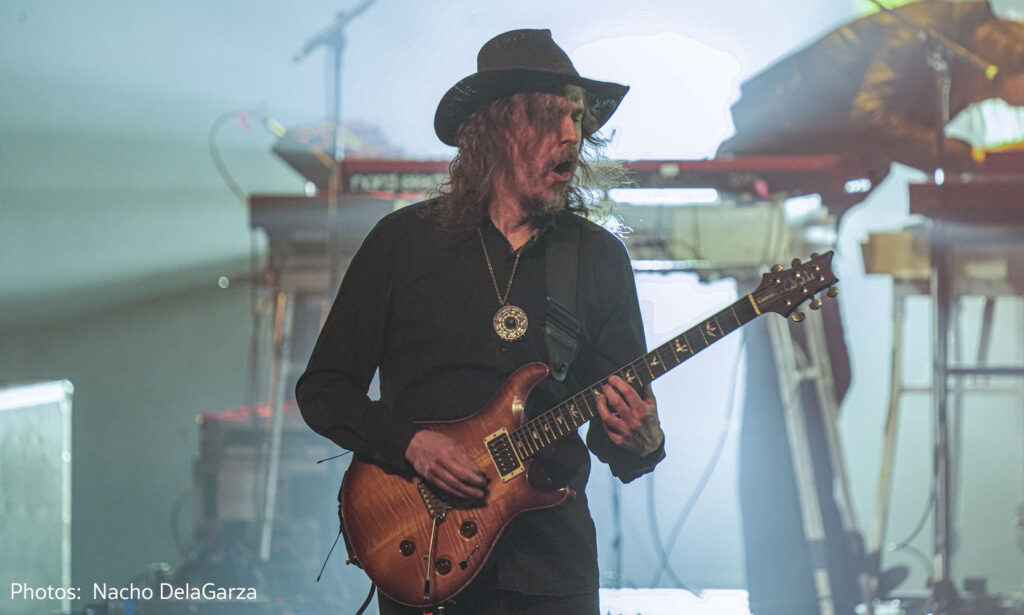
Opeth - Photo: Nacho DelaGarza
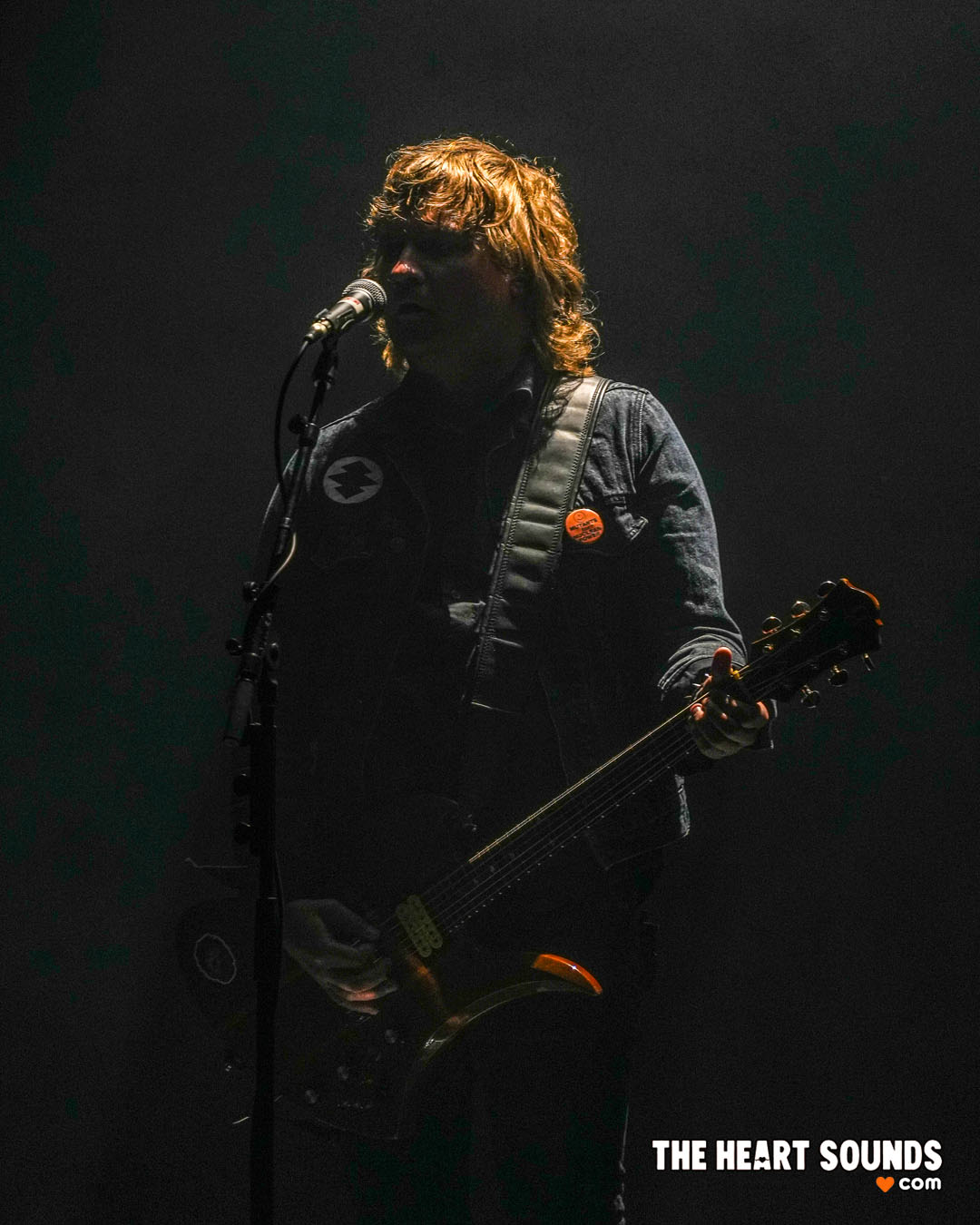
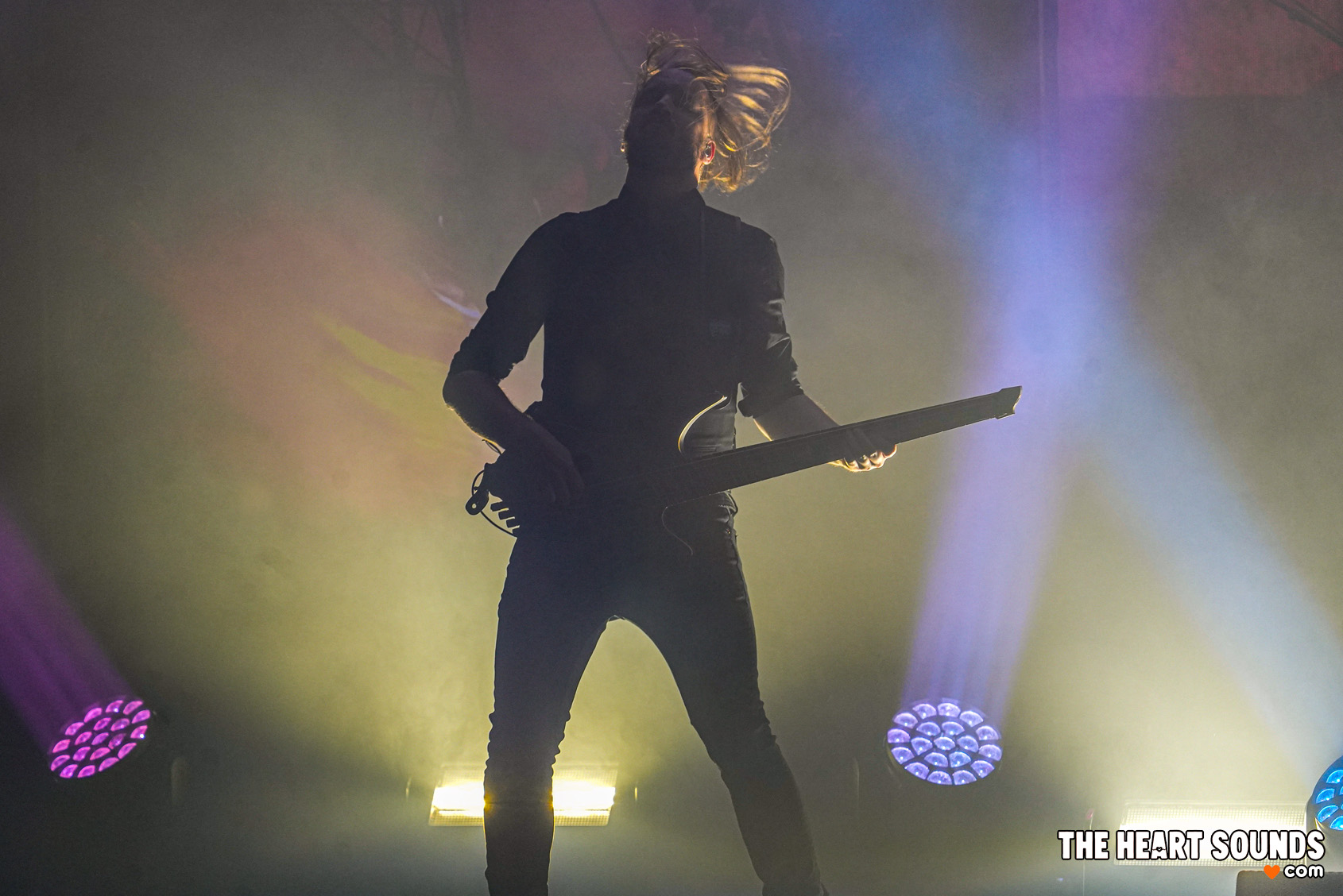
KATATONIA
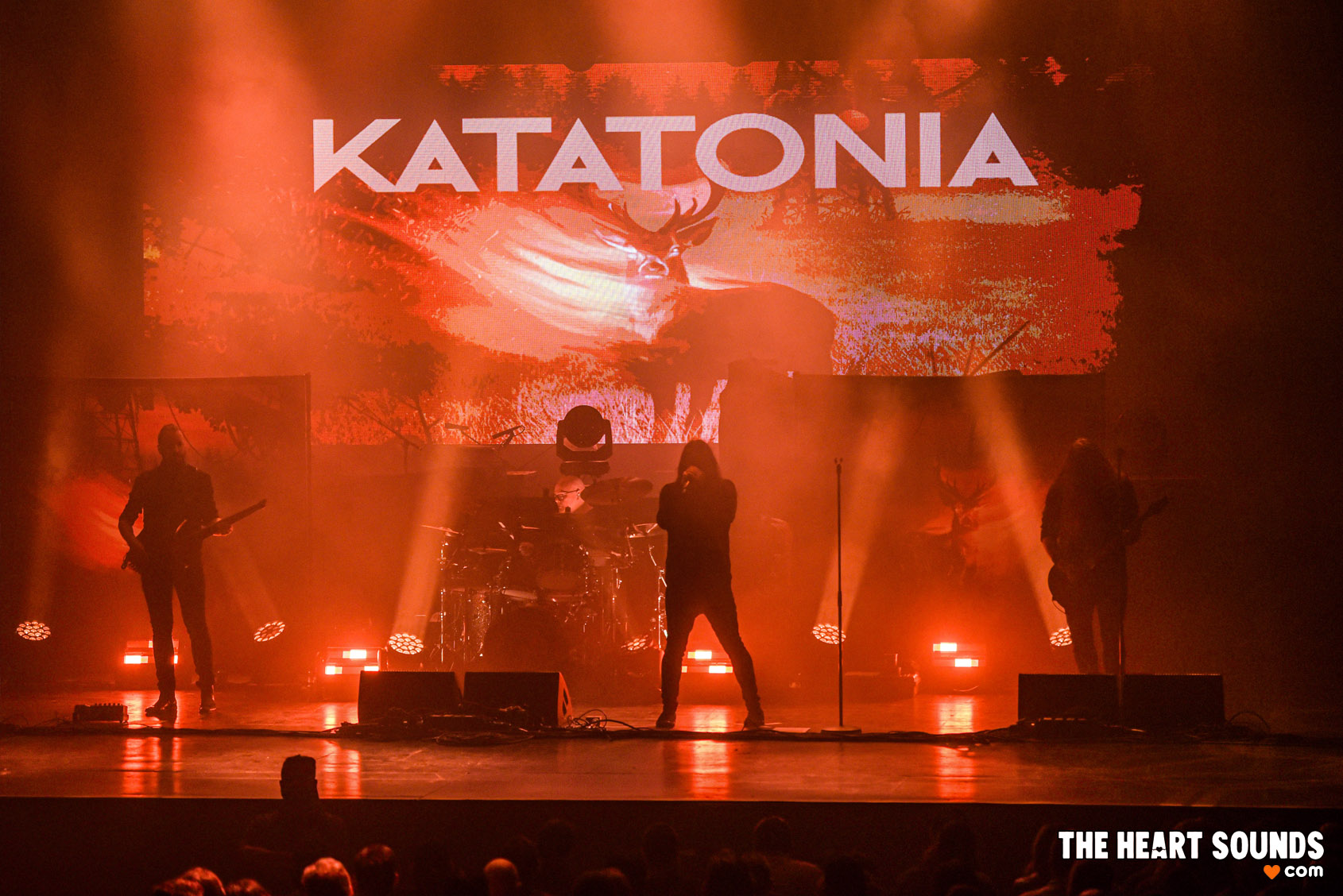
When KATATONIA stepped into the soft blue haze, the room shifted from anticipation to immersion. They opened with “Thrice,” and the first notes settled over the audience like cold air rolling in before a storm. Their sound was deliberate and textured, heavy without being blunt. Every chord carried weight, every lyric lingered.
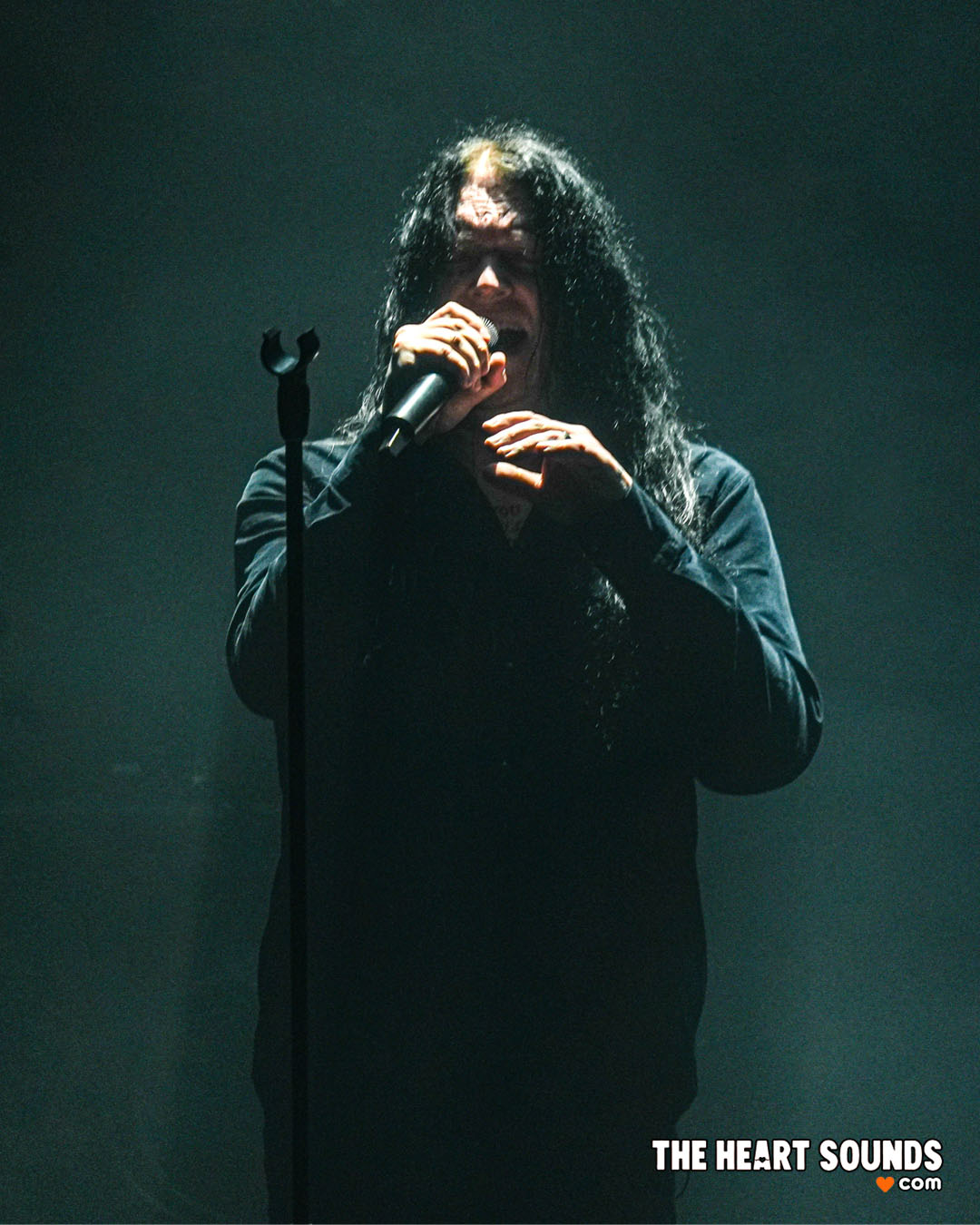
Frontman Jonas Renkse stood calm and composed, his voice cutting clean through the mix. There was no need for grand gestures. His presence was controlled, almost understated, which made the emotional pull even stronger. “Soil’s Song”deepened the mood, its brooding atmosphere filling every ornate corner of the Majestic. By the time “The Liquid Eye”rang out, the crowd was fully locked in, heads nodding in quiet unity.
The middle stretch with “Dead Letters” and “Old Heart Falls” felt expansive and cinematic. Guitars shimmered, drums pulsed steadily, and the lighting painted the stage in muted purples and greys. They closed with “Forsaker,” and the final chorus hit with a surge of restrained intensity that rippled through the audience.
Katatonia did not try to overwhelm. They enveloped. Their set felt like a slow descent into deep water, beautiful and heavy, setting the emotional temperature perfectly for what was coming next.
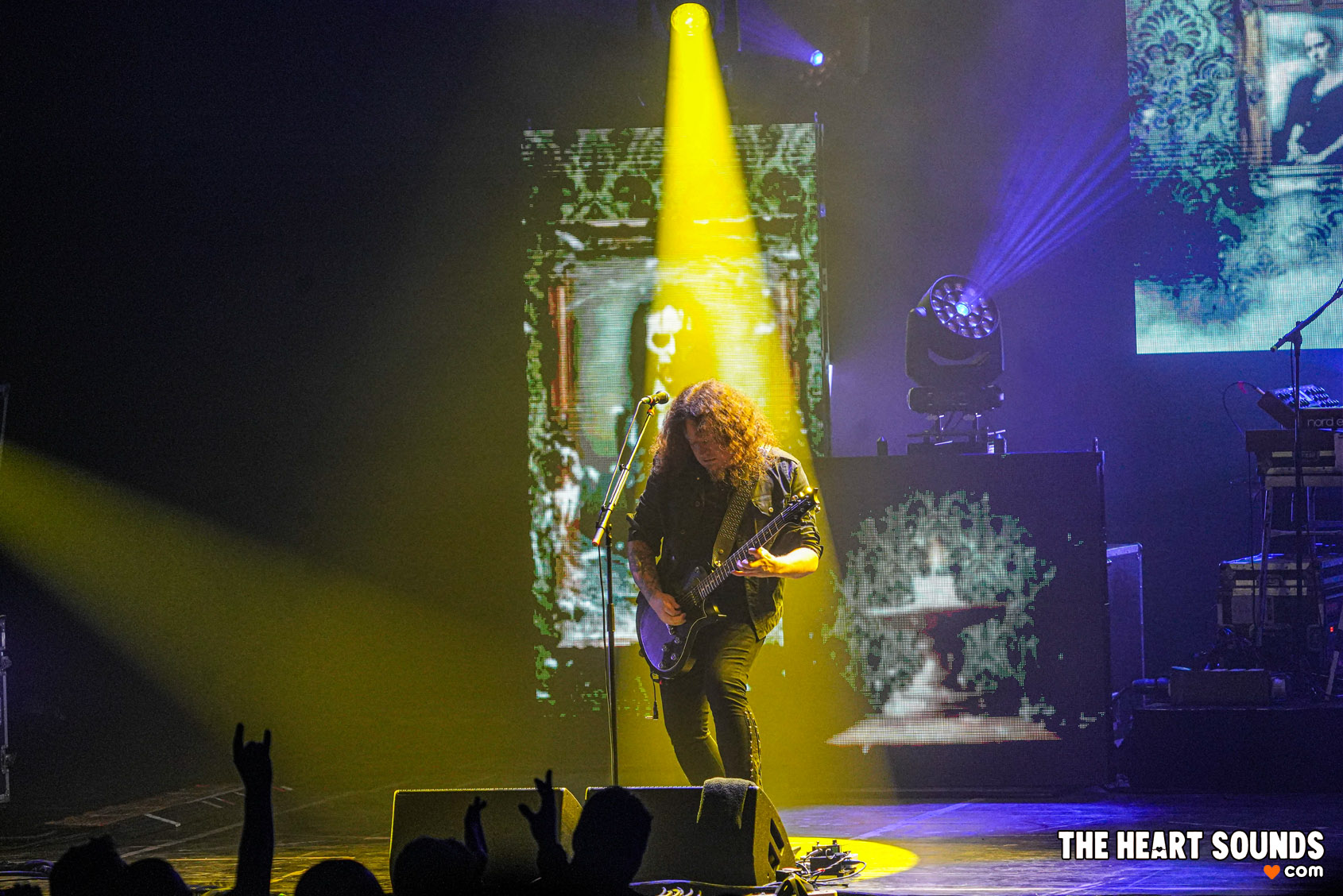
Katatonia - Photo: Nacho DelaGarza
Katatonia - Photo: Nacho DelaGarza
Katatonia - Photo: Nacho DelaGarza
Katatonia - Photo: Nacho DelaGarza
Katatonia - Photo: Nacho DelaGarza
Katatonia - Photo: Nacho DelaGarza
OPETH
The Last Will and Testament Tour
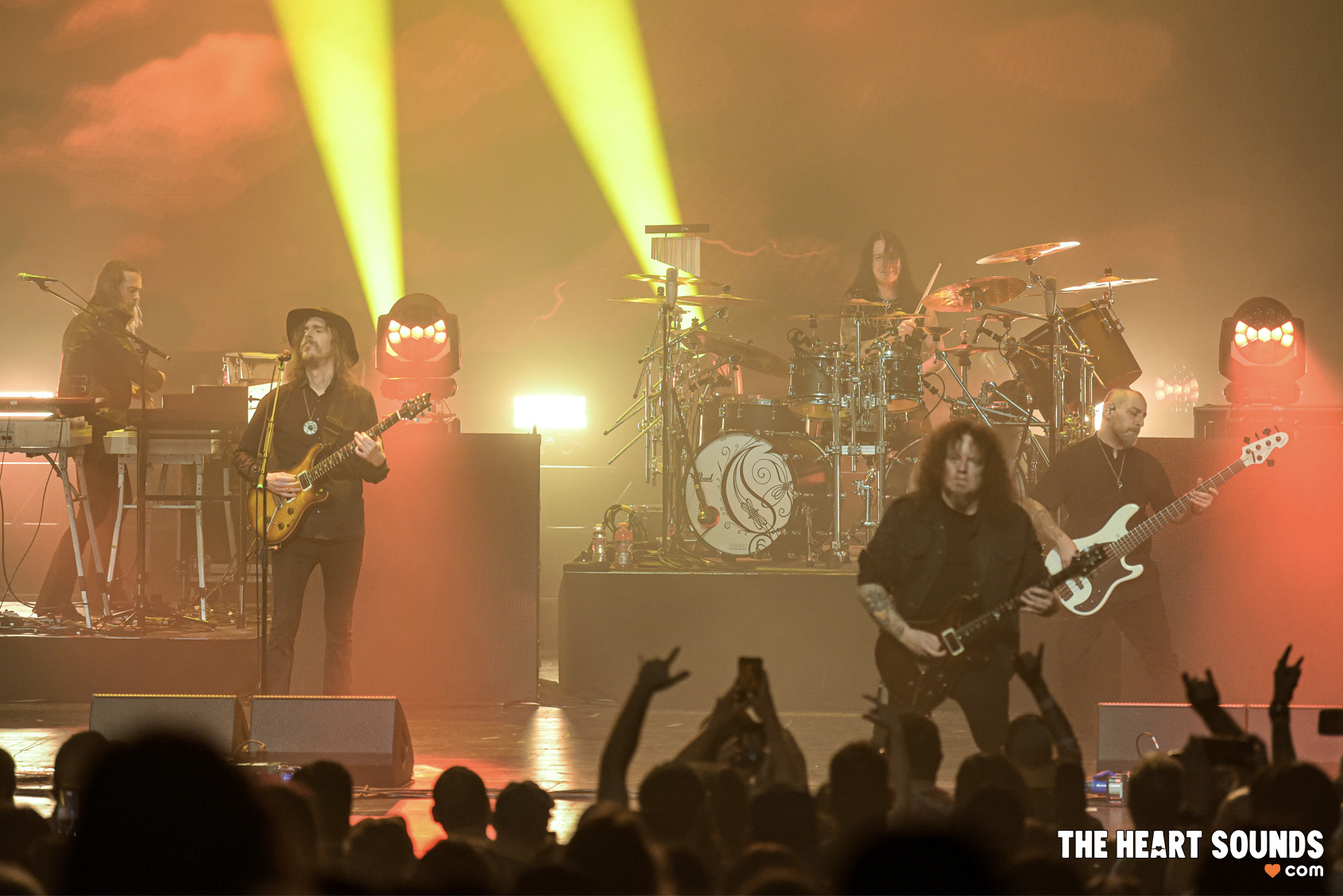
When OPETH emerged, the atmosphere thickened instantly. Opening with “§1” from their latest chapter, they established tone and precision in the first breath. The mix was pristine. Every progressive turn, every dynamic shift landed with surgical clarity.
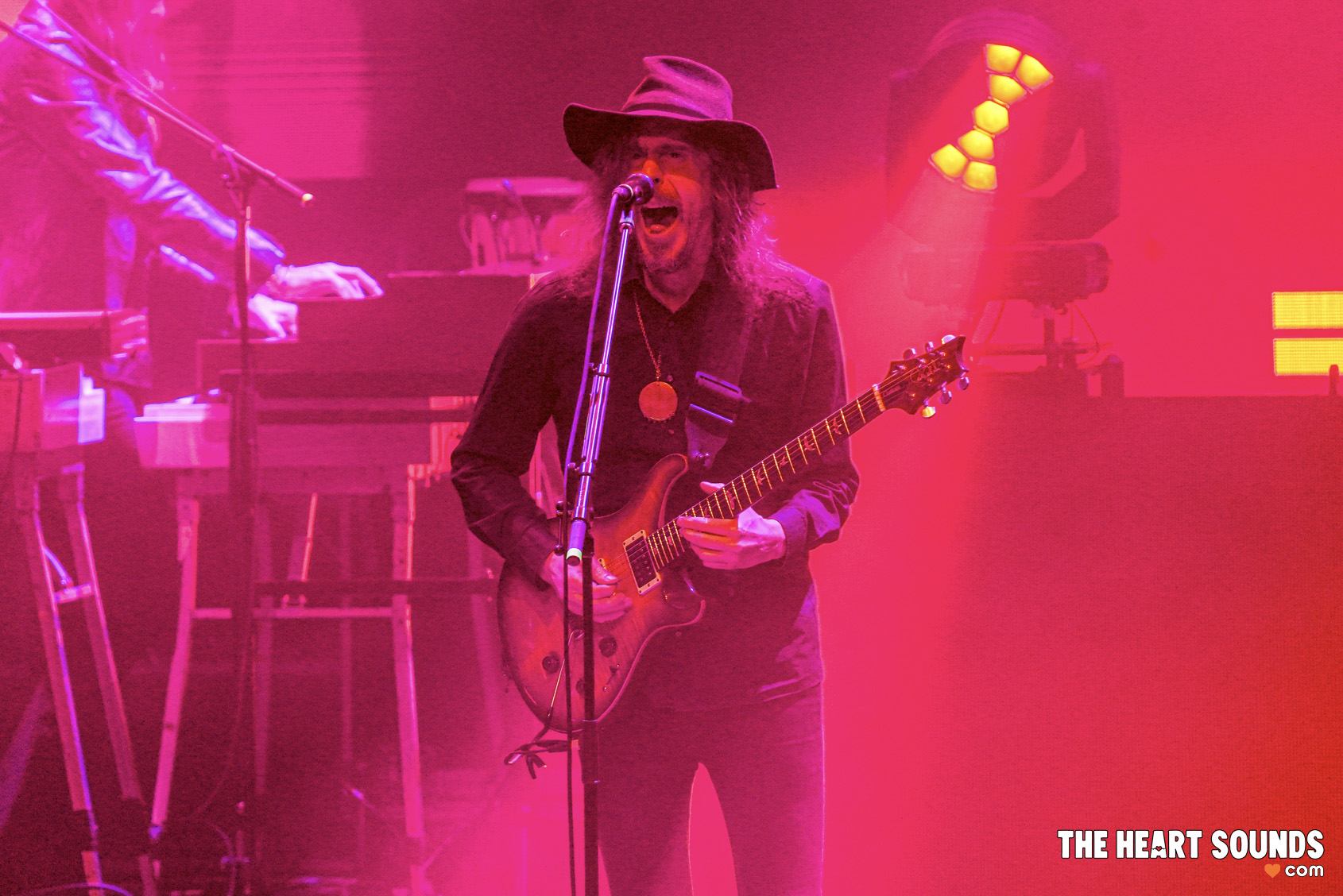
Mikael Åkerfeldt balanced dry humor with commanding authority. He chatted casually between songs, disarming the crowd, then pivoted into ferocious growls that shook the theater’s foundation. “Master’s Apprentices” erupted with crushing force, its complex rhythms executed flawlessly. The audience responded with raised fists and synchronized headbanging that felt almost ritualistic.
Then came “Godhead’s Lament,” a masterclass in contrast. Gentle passages bloomed into thunderous crescendos. The band moved as a single organism, navigating tempo changes with effortless cohesion. “To Rid The Disease” offered a haunting reprieve, its melancholy melody drifting through the hall like a confession.
By the time “The Grand Conjuration” hit, the energy was volcanic. The riffs felt massive yet controlled, never chaotic. They closed with “Deliverance,” and the extended outro became hypnotic. The repeating rhythm built and built, a tidal pulse that united the entire room in movement.
Opeth did not simply perform. They constructed an experience, brick by brick, until the Majestic felt less like a theater and more like a sanctuary devoted to progressive metal.
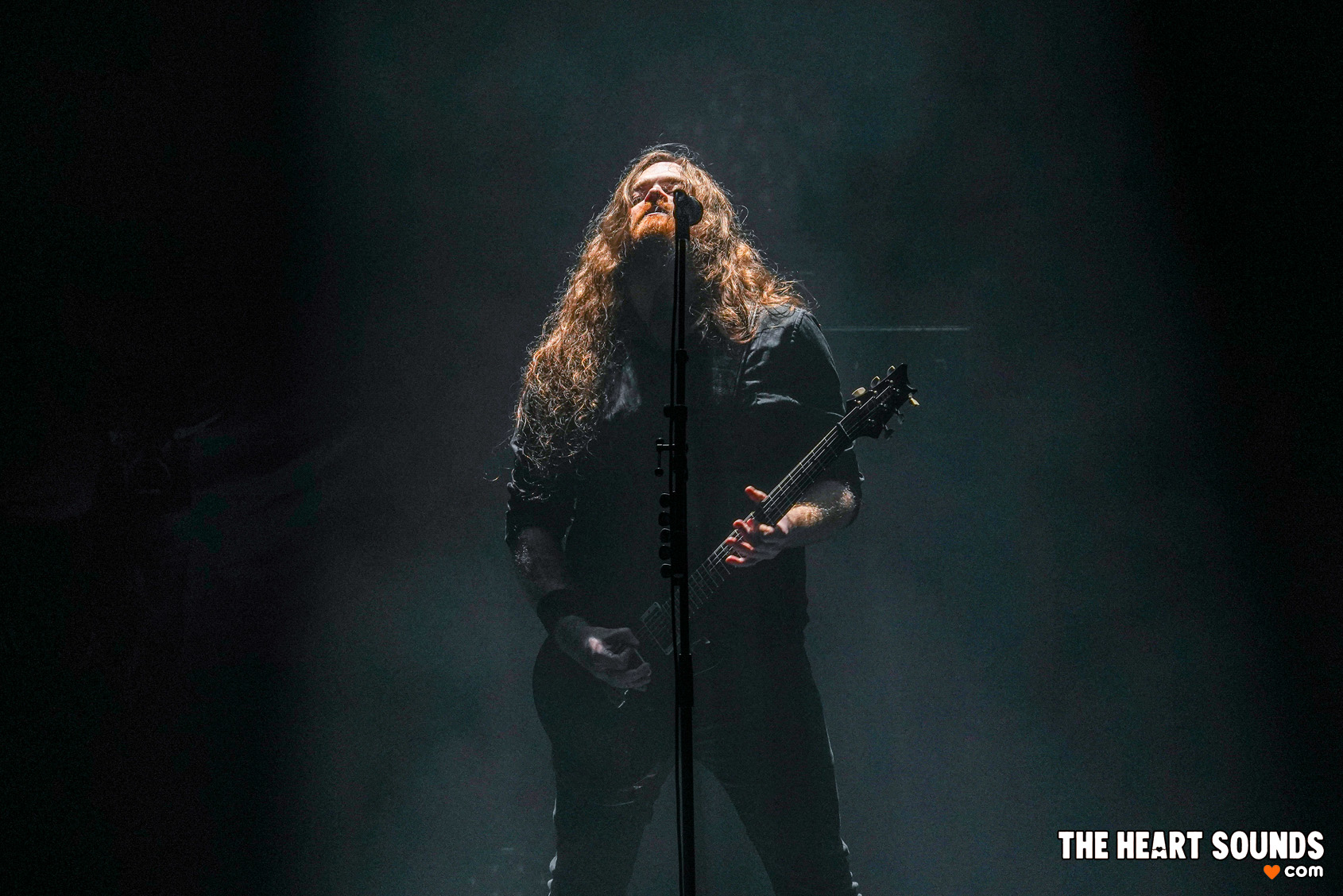
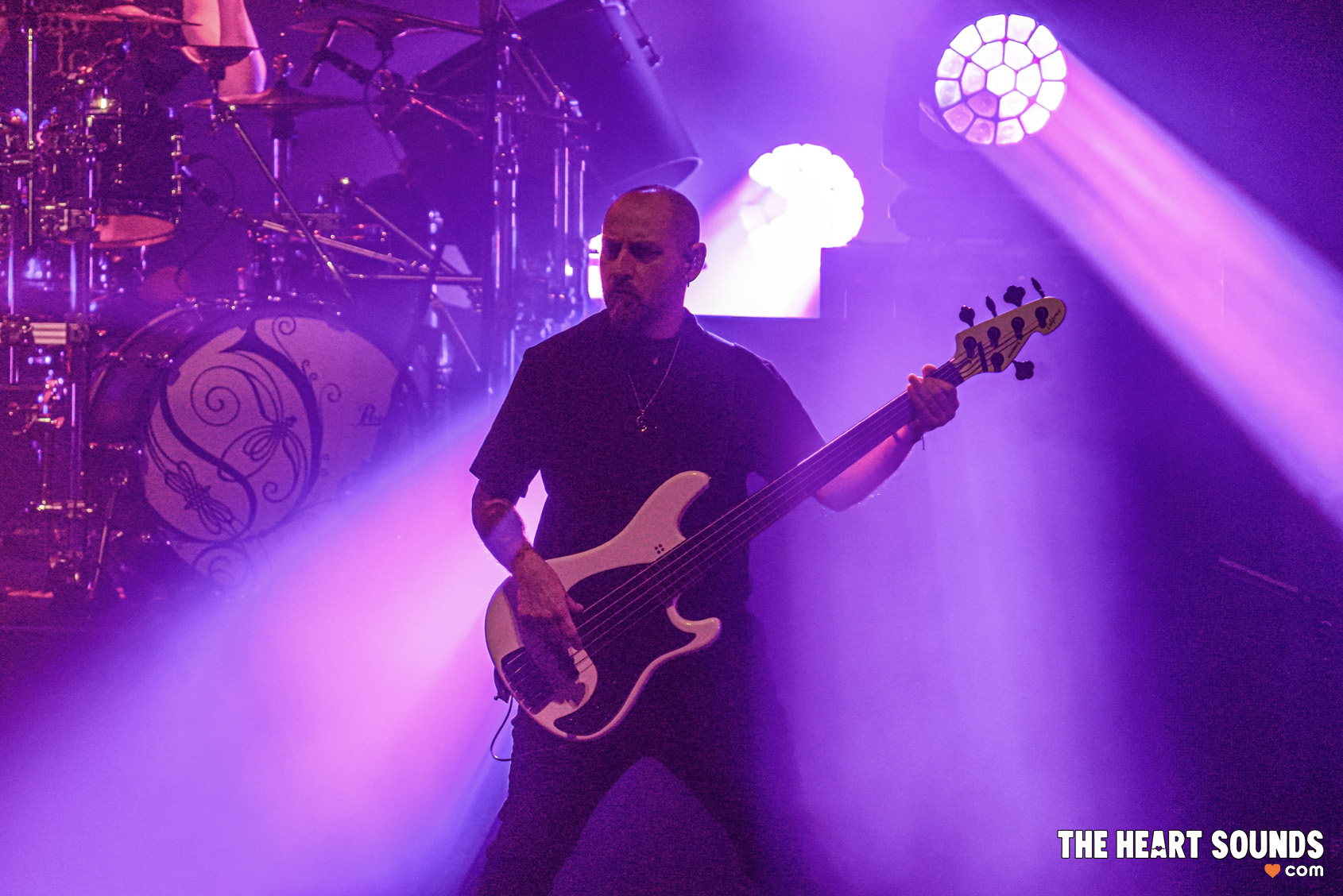
Opeth - Photo: Nacho DelaGarza
Opeth - Photo: Nacho DelaGarza
Opeth - Photo: Nacho DelaGarza
Opeth - Photo: Nacho DelaGarza
FROM STOCKHOLM’S SHADOWS TO GLOBAL STAGES
Formed in Stockholm, Sweden in 1990, OPETH emerged from the fertile Scandinavian metal scene but quickly carved a lane of their own. Blending death metal aggression with progressive rock sophistication, they refused to be confined by genre. Early records built a cult following, driven by intricate songwriting and fearless experimentation.
Under the steady creative vision of Mikael Åkerfeldt, the band evolved with each release. They embraced acoustic passages, jazz influences, and vintage prog textures without abandoning the heaviness that first defined them. That balance between brutality and beauty became their signature.
What sets Opeth apart is their patience. They allow songs to unfold organically, trusting the audience to follow every twist. Over three decades, they have built not just a catalog, but a legacy rooted in craftsmanship, risk, and unwavering artistic identity.
Opeth - Photo: Nacho DelaGarza
Opeth - Photo: Nacho DelaGarza
Opeth - Photo: Nacho DelaGarza
Opeth - Photo: Nacho DelaGarza
Opeth - Photo: Nacho DelaGarza
Opeth - Photo: Nacho DelaGarza
Opeth - Photo: Nacho DelaGarza
Opeth - Photo: Nacho DelaGarza
Opeth - Photo: Nacho DelaGarza
As the house lights slowly returned, there was no rush for the exits. Fans lingered, exchanging knowing smiles, recounting favorite moments from “Deliverance” or the crushing weight of “Master’s Apprentices.” This was not a night built on spectacle alone. It was built on trust between artist and audience.
For a crowd that has grown alongside this music, the evening felt both nostalgic and forward-looking. The Last Will and Testament Tour is not a victory lap. It is a reminder that evolution and longevity can coexist.
Inside the historic walls of the Majestic, two Swedish bands proved that heavy music can age with grace, intelligence, and depth. Long after the final note faded, the resonance remained. Not just in the ears, but somewhere deeper.