Houston showed up for La Jefa!
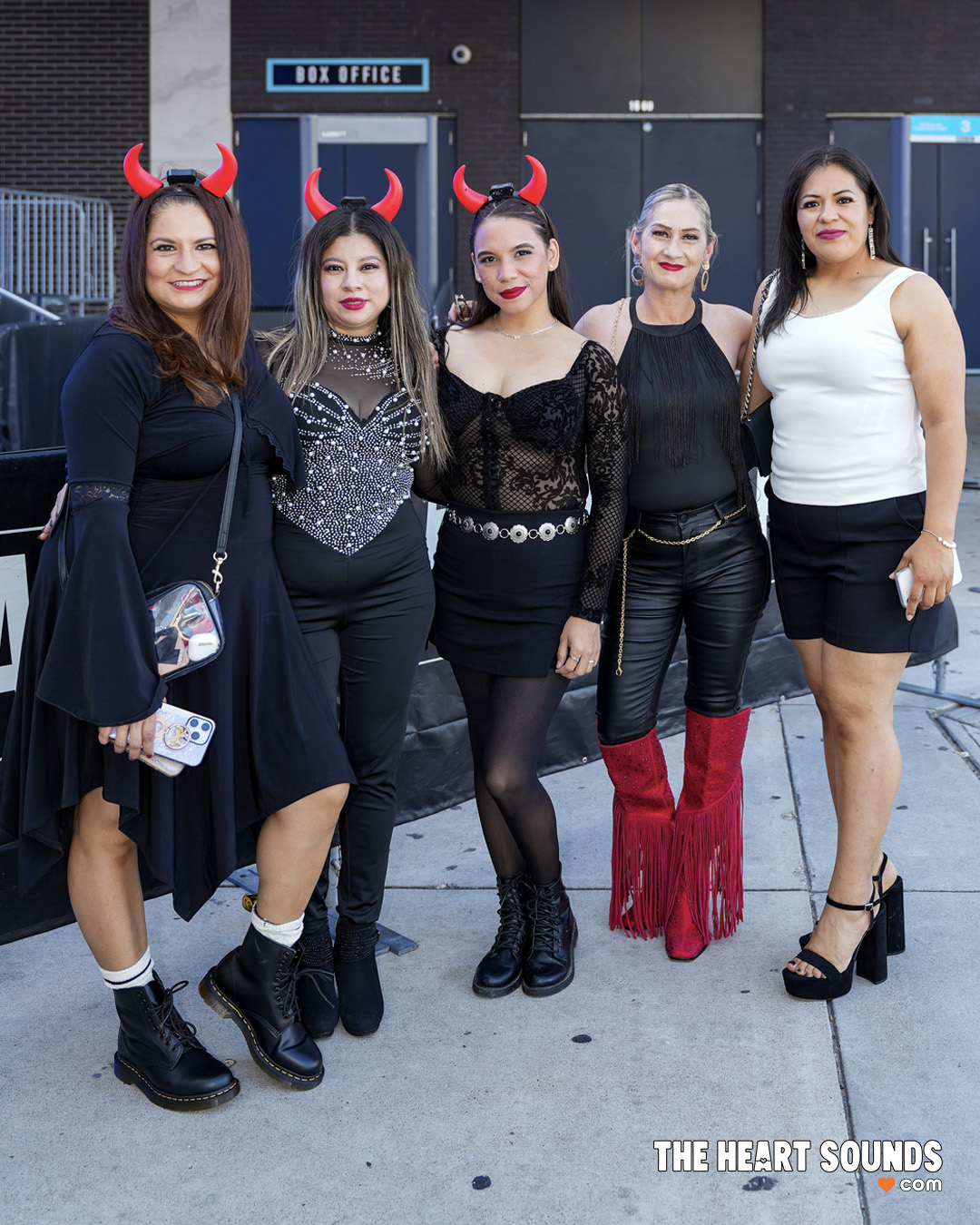
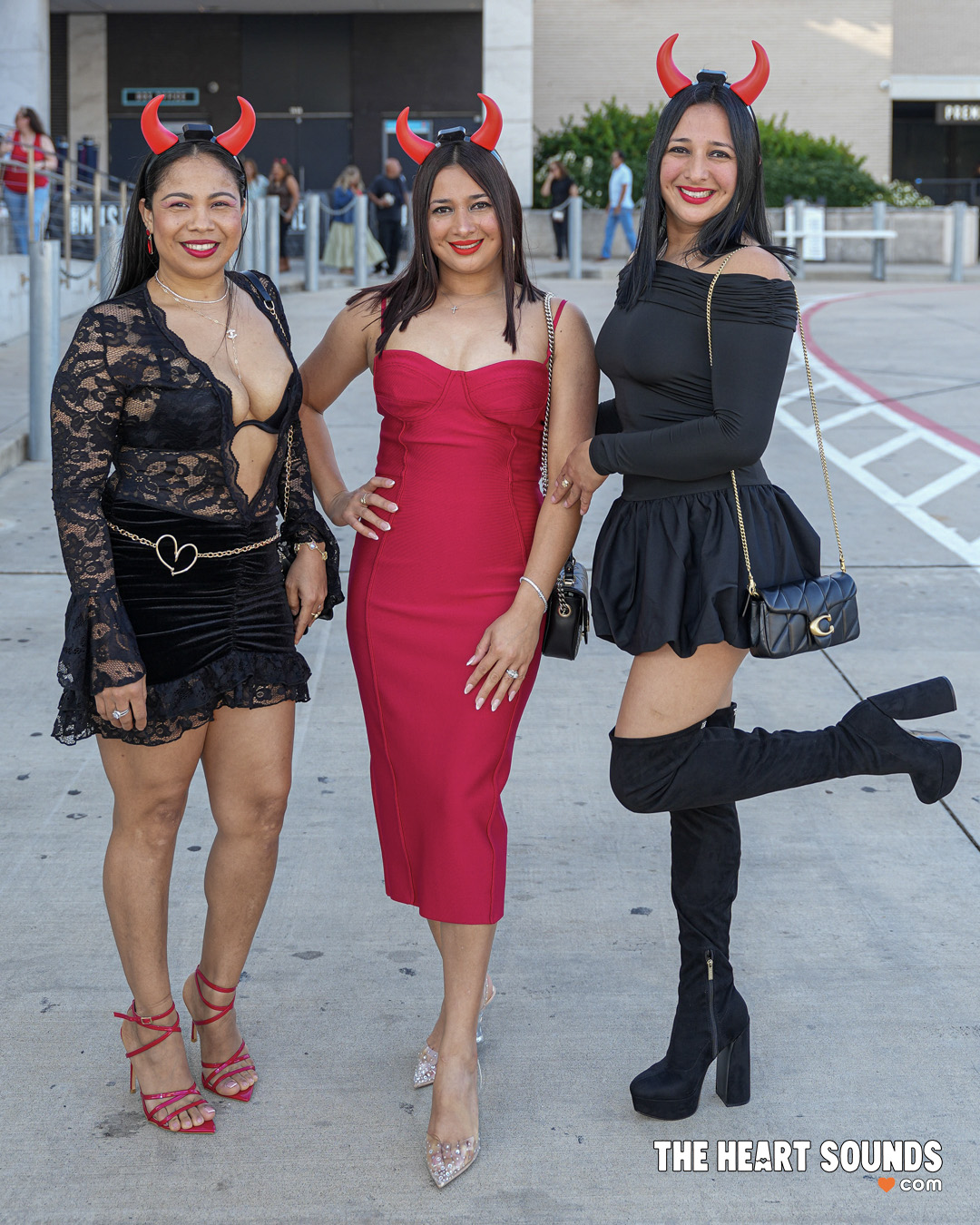
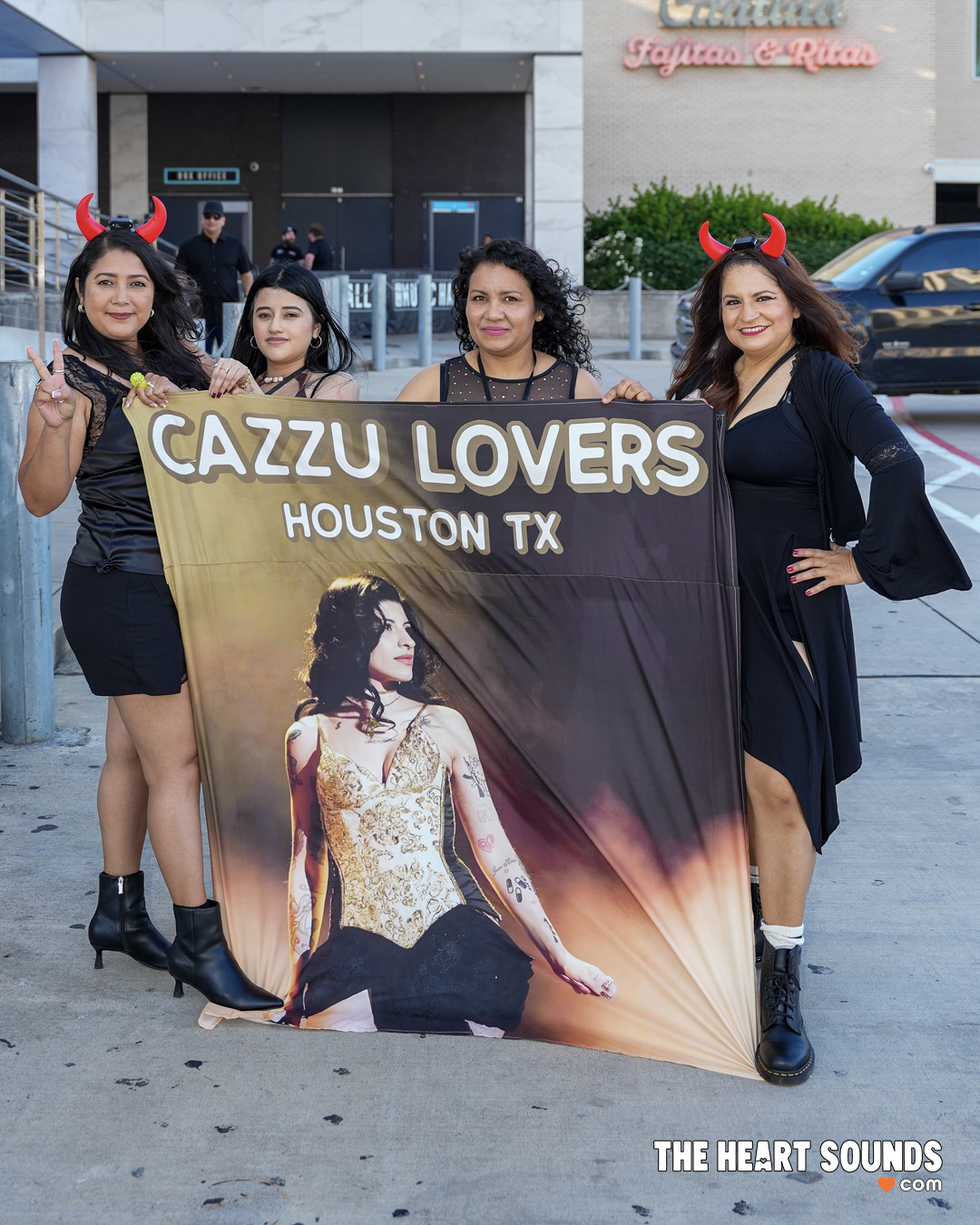
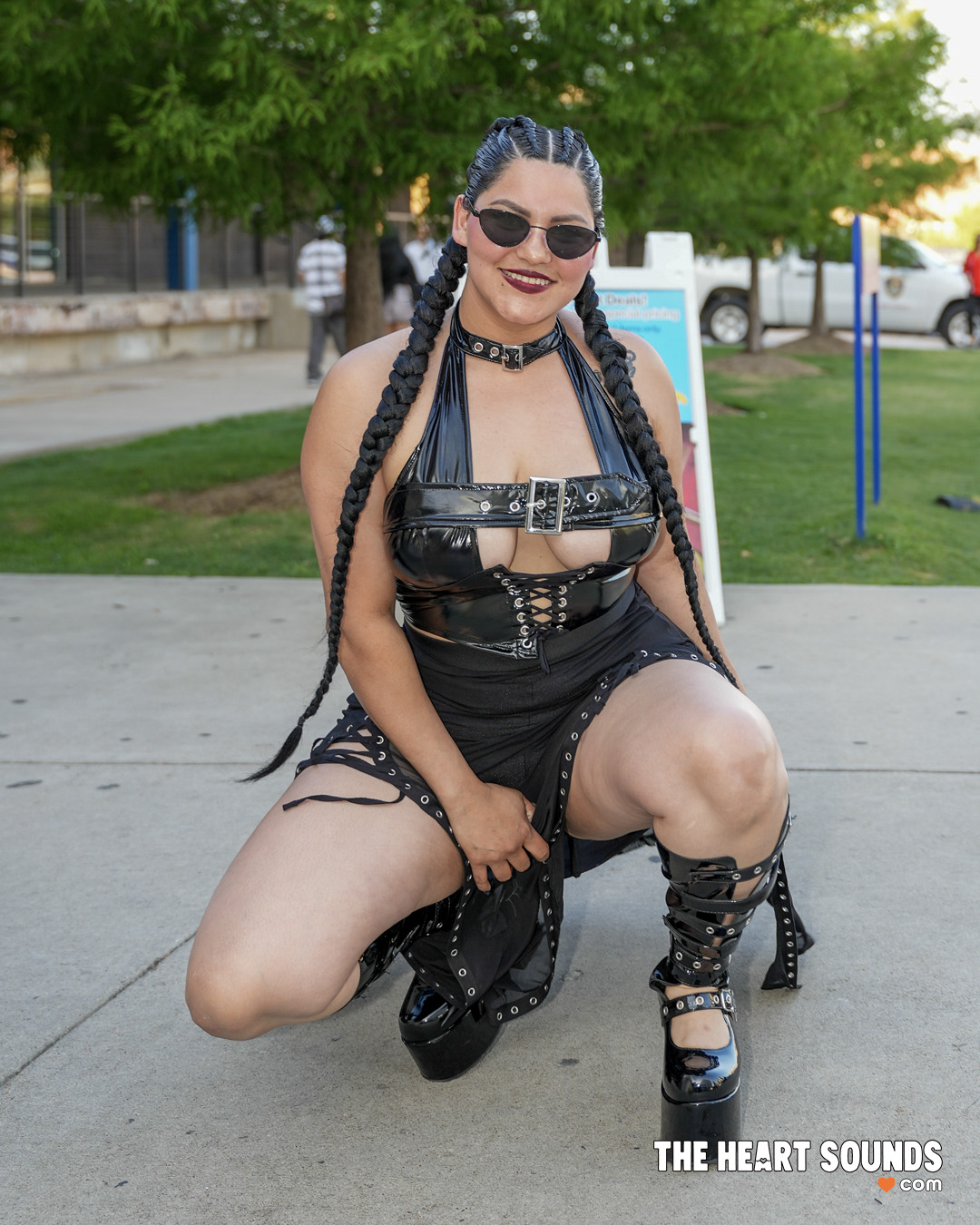
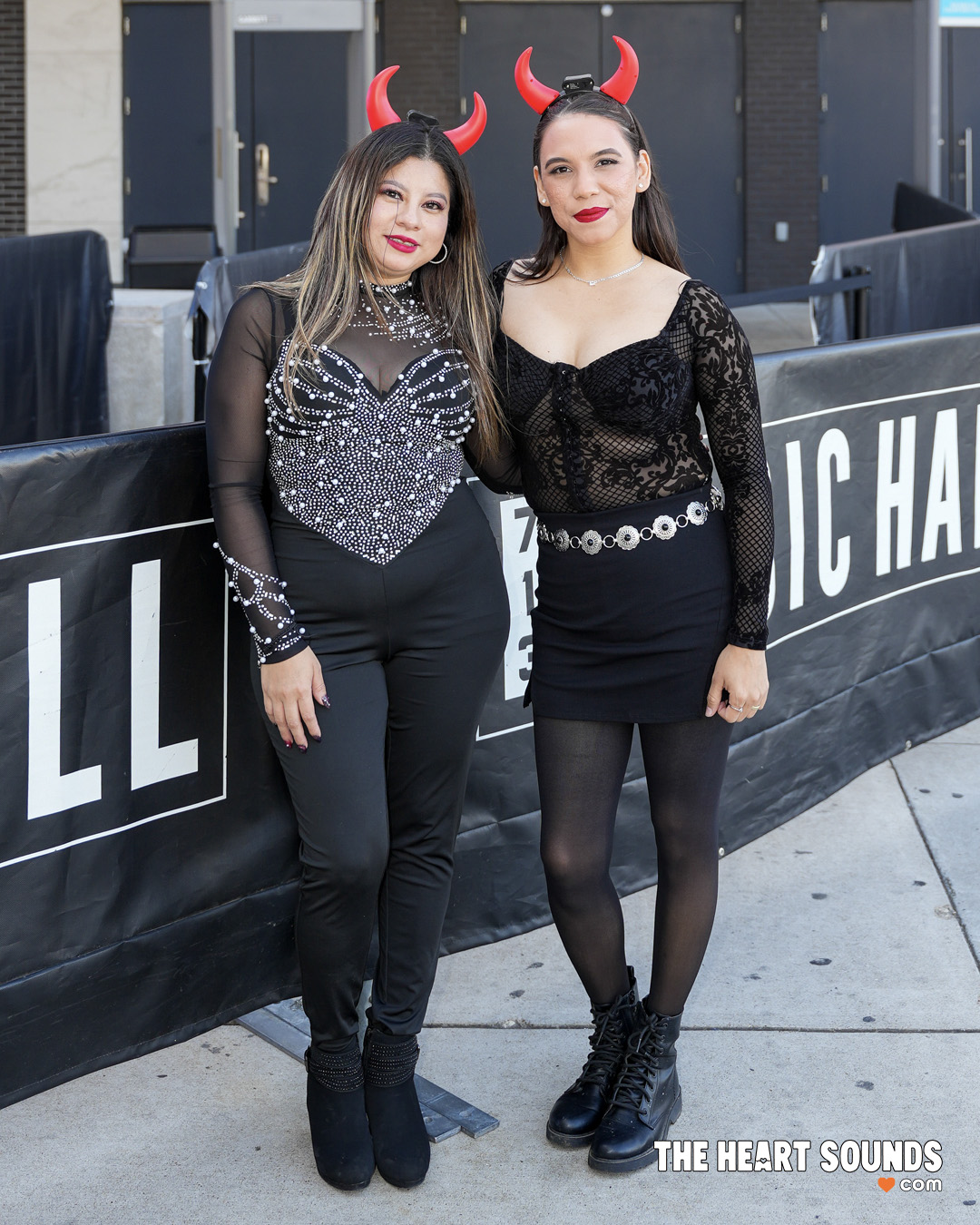
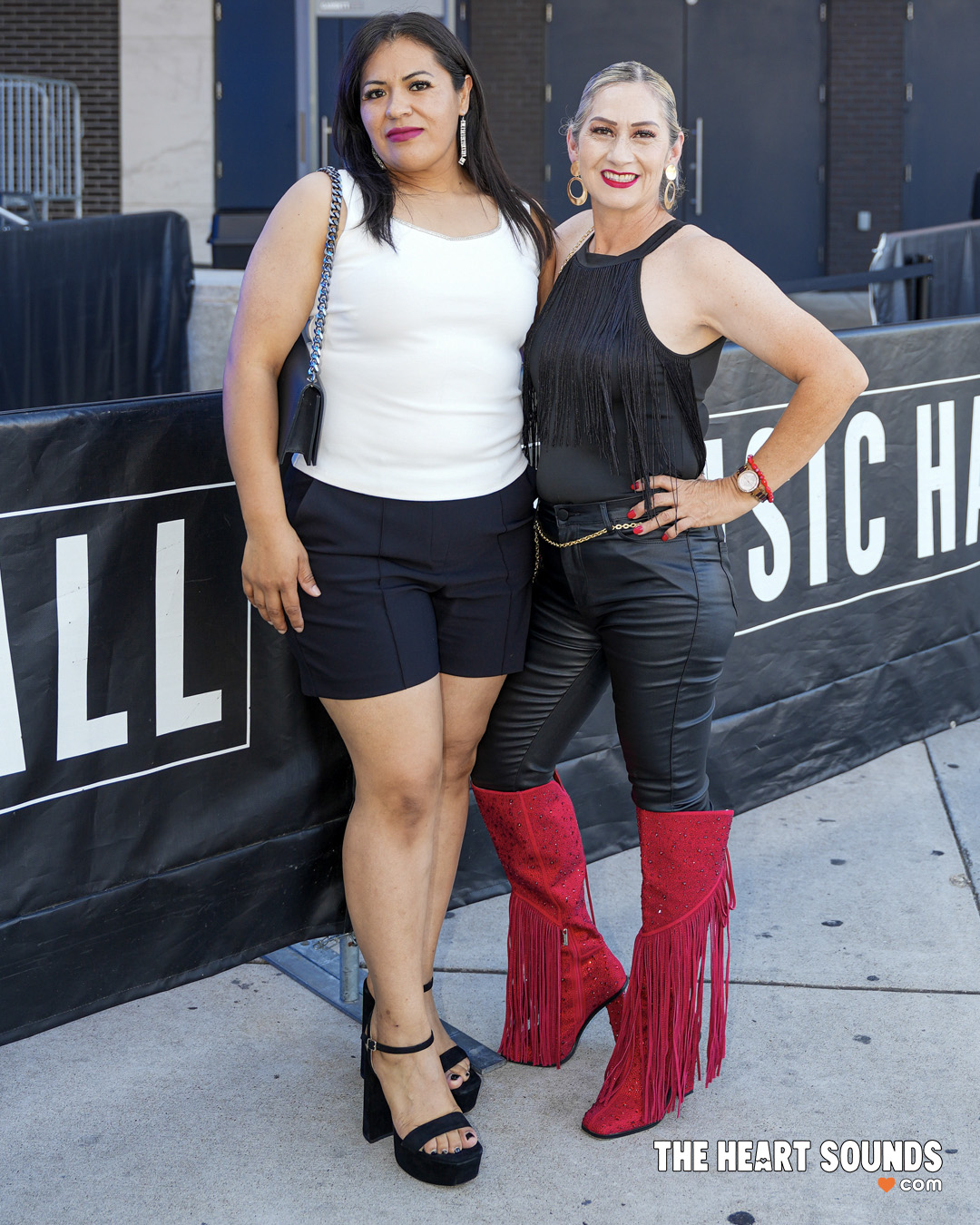
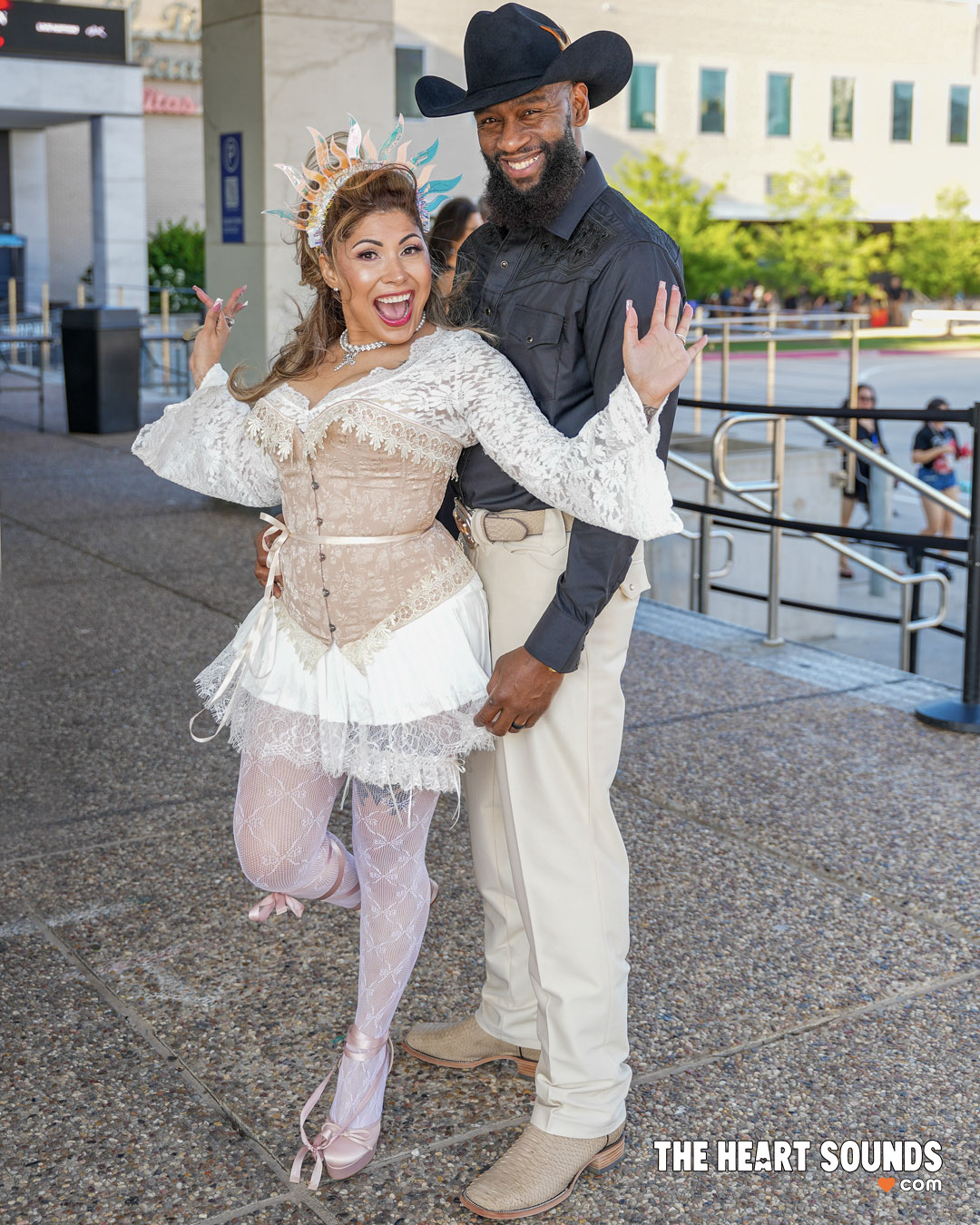
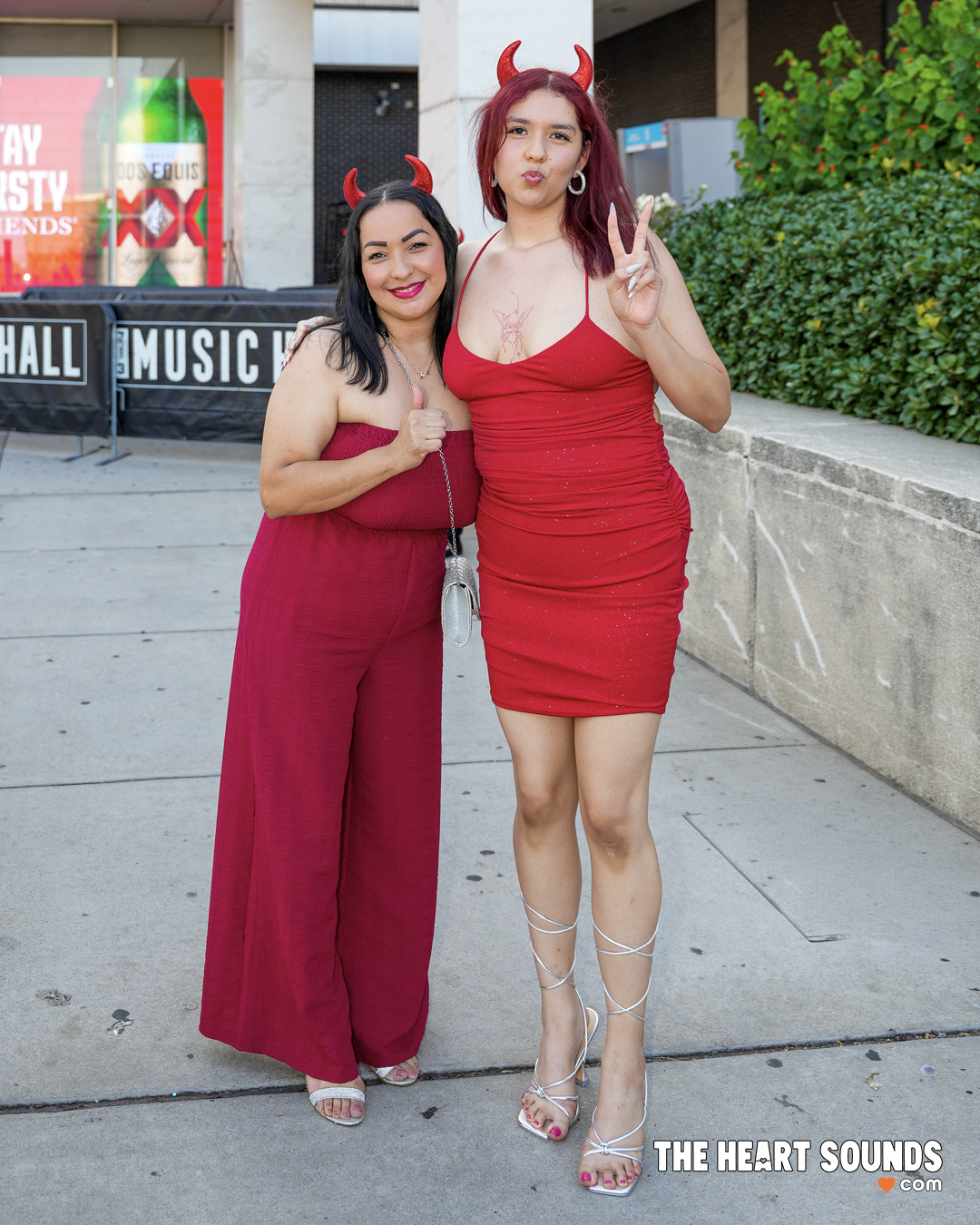
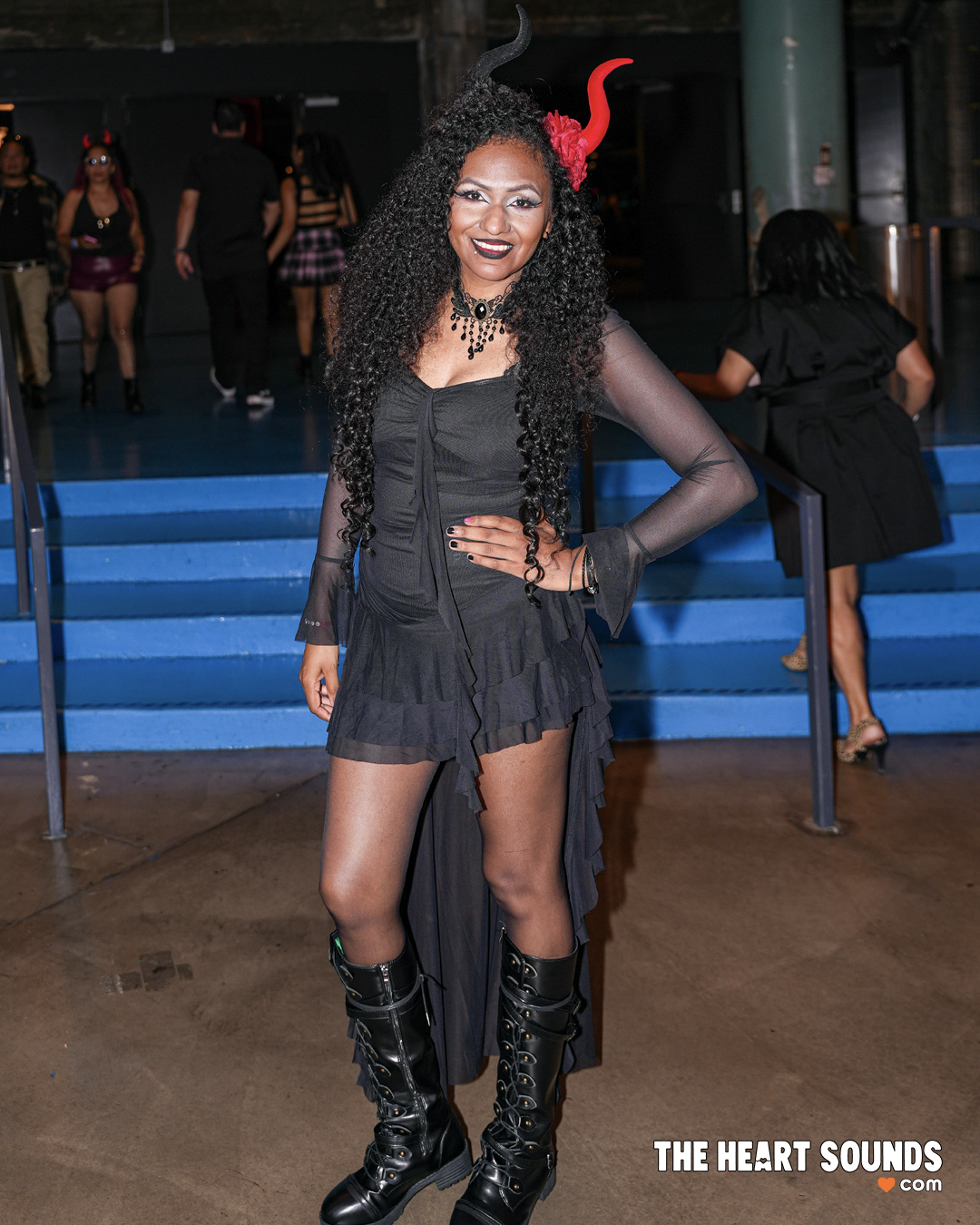
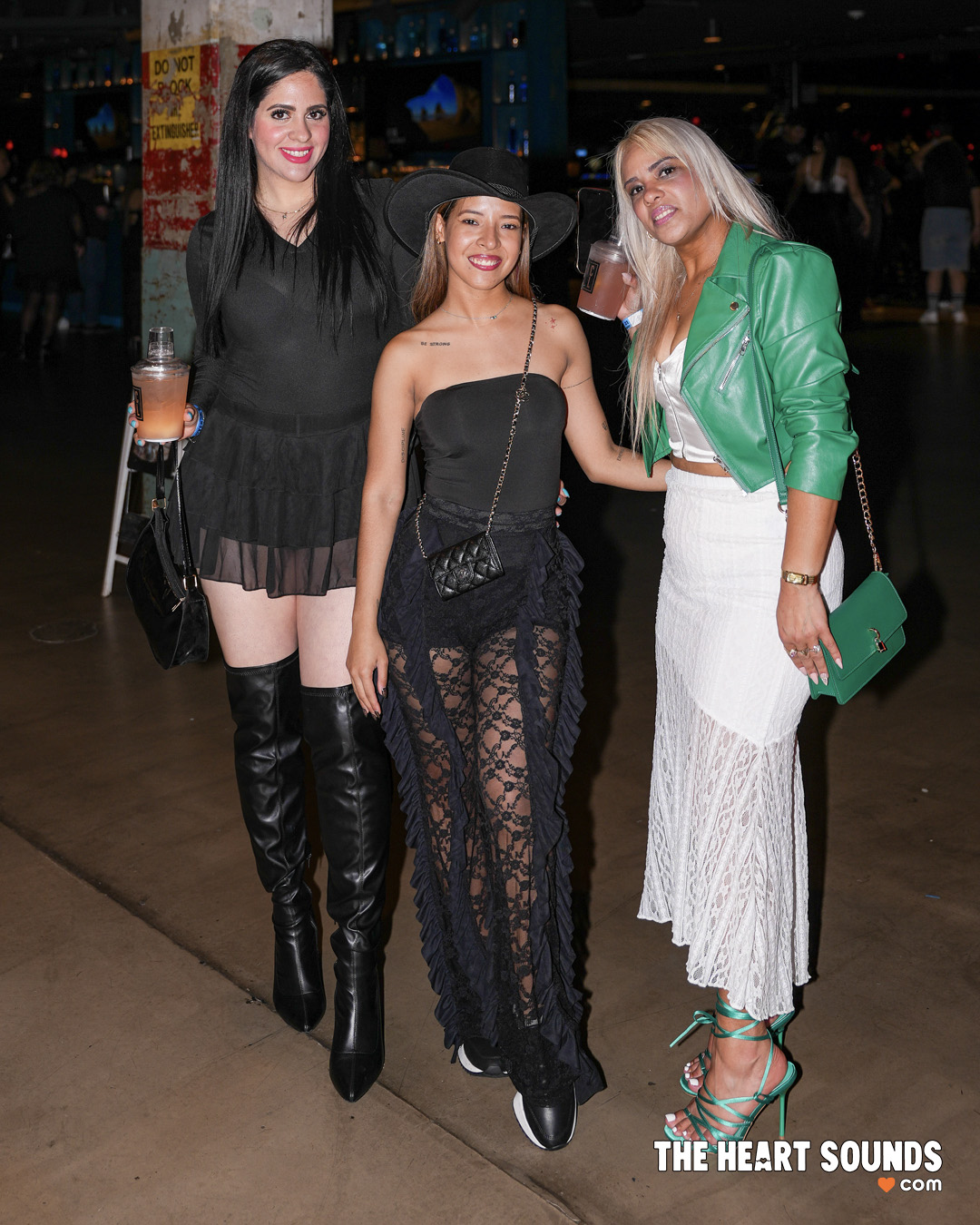
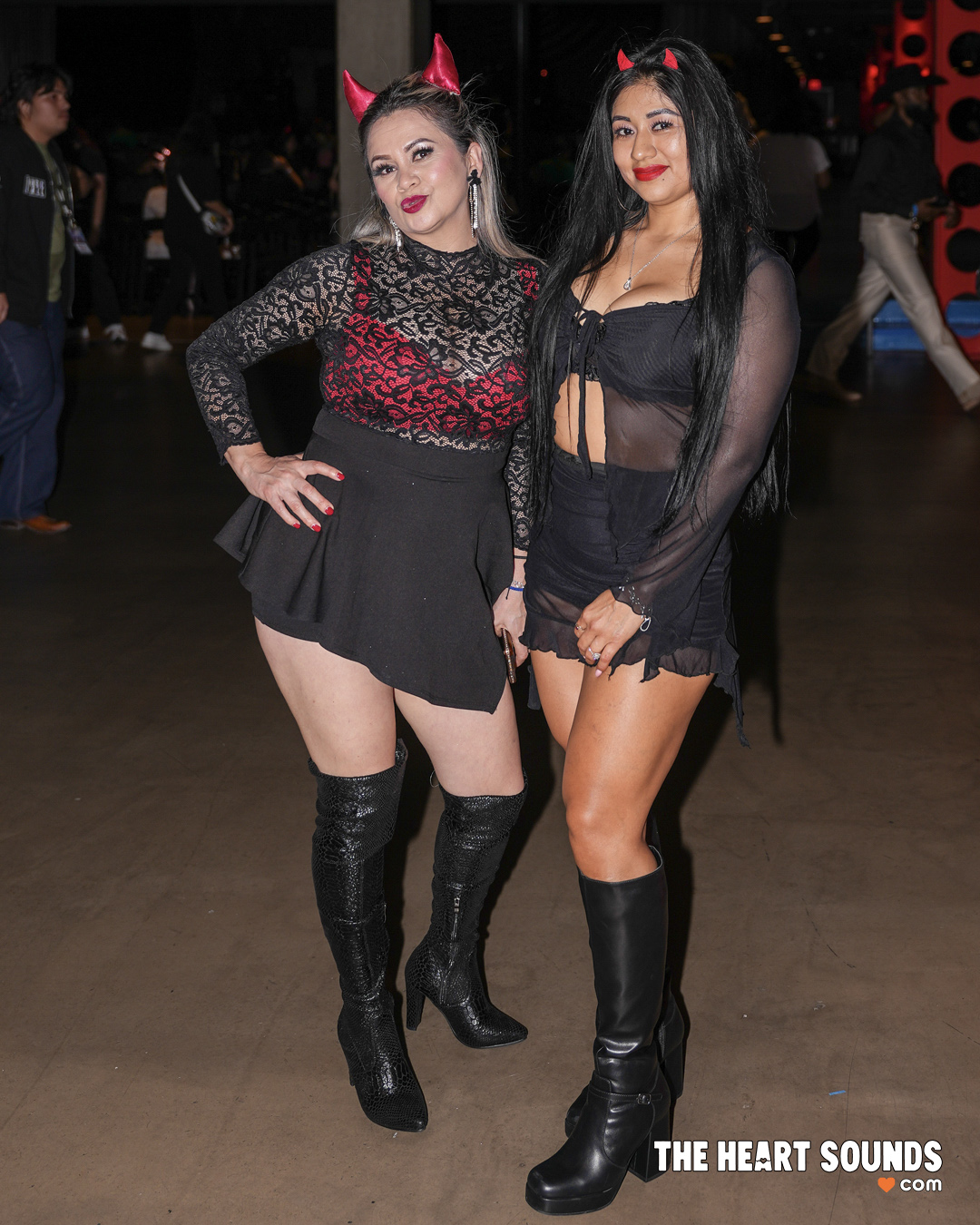
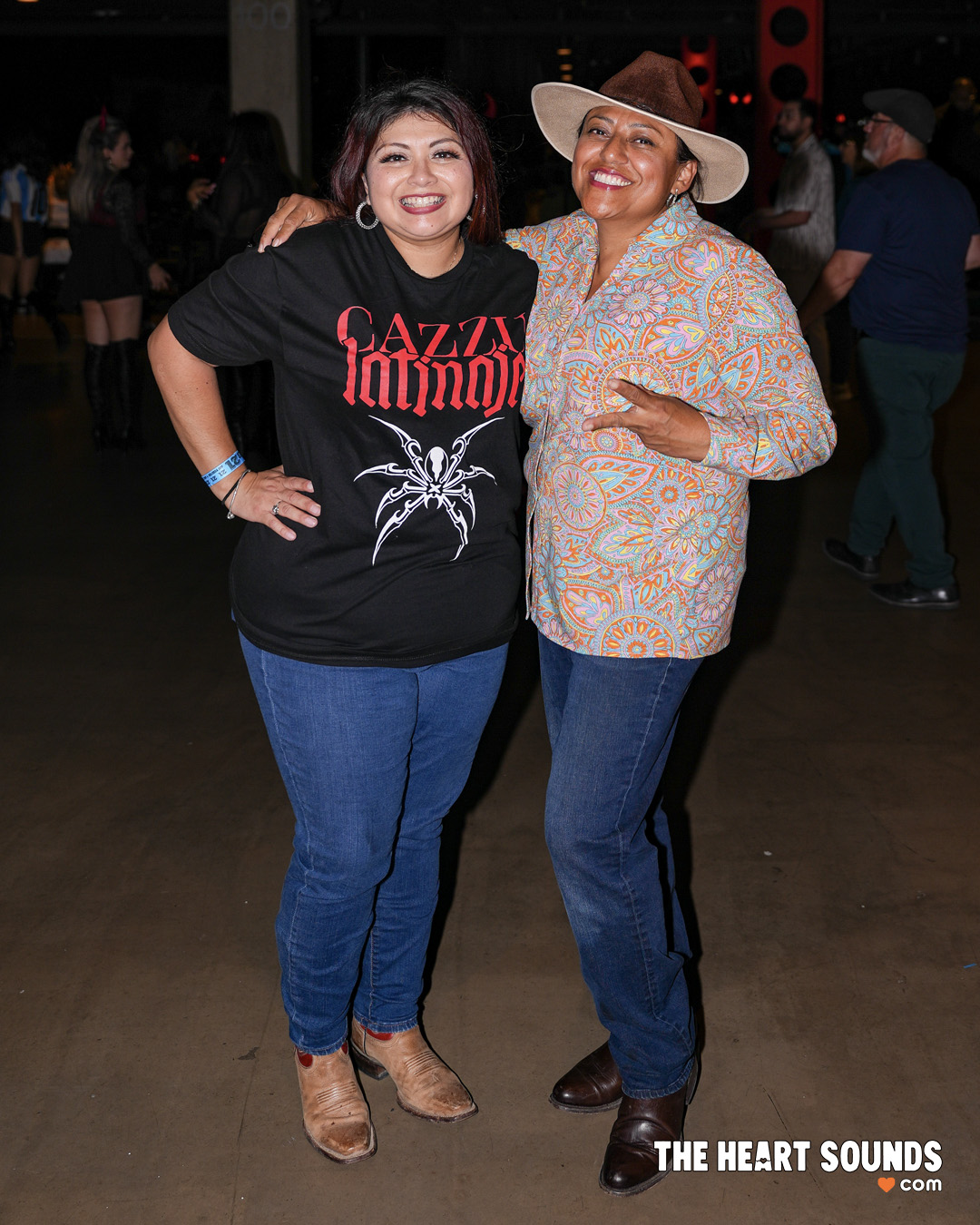
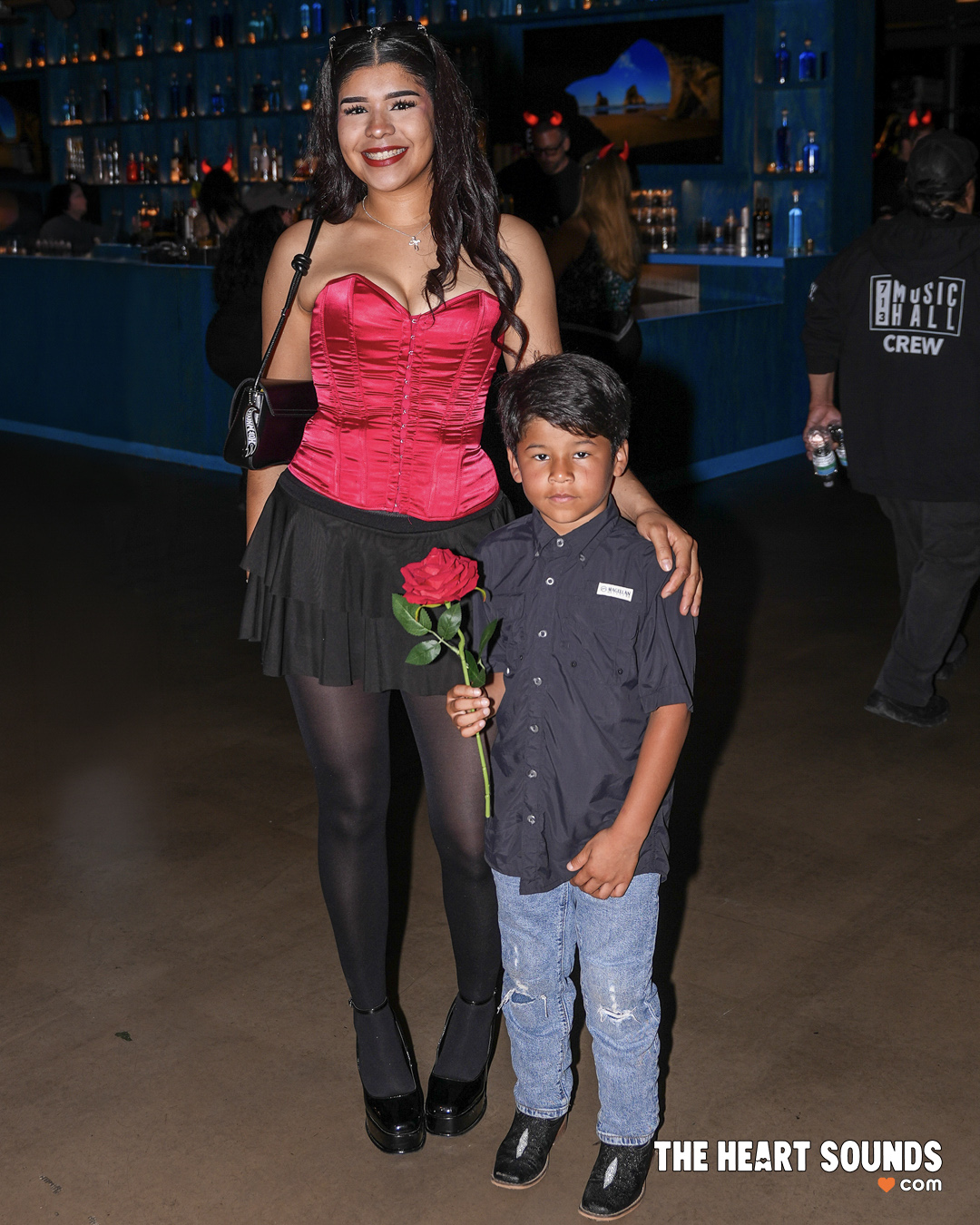
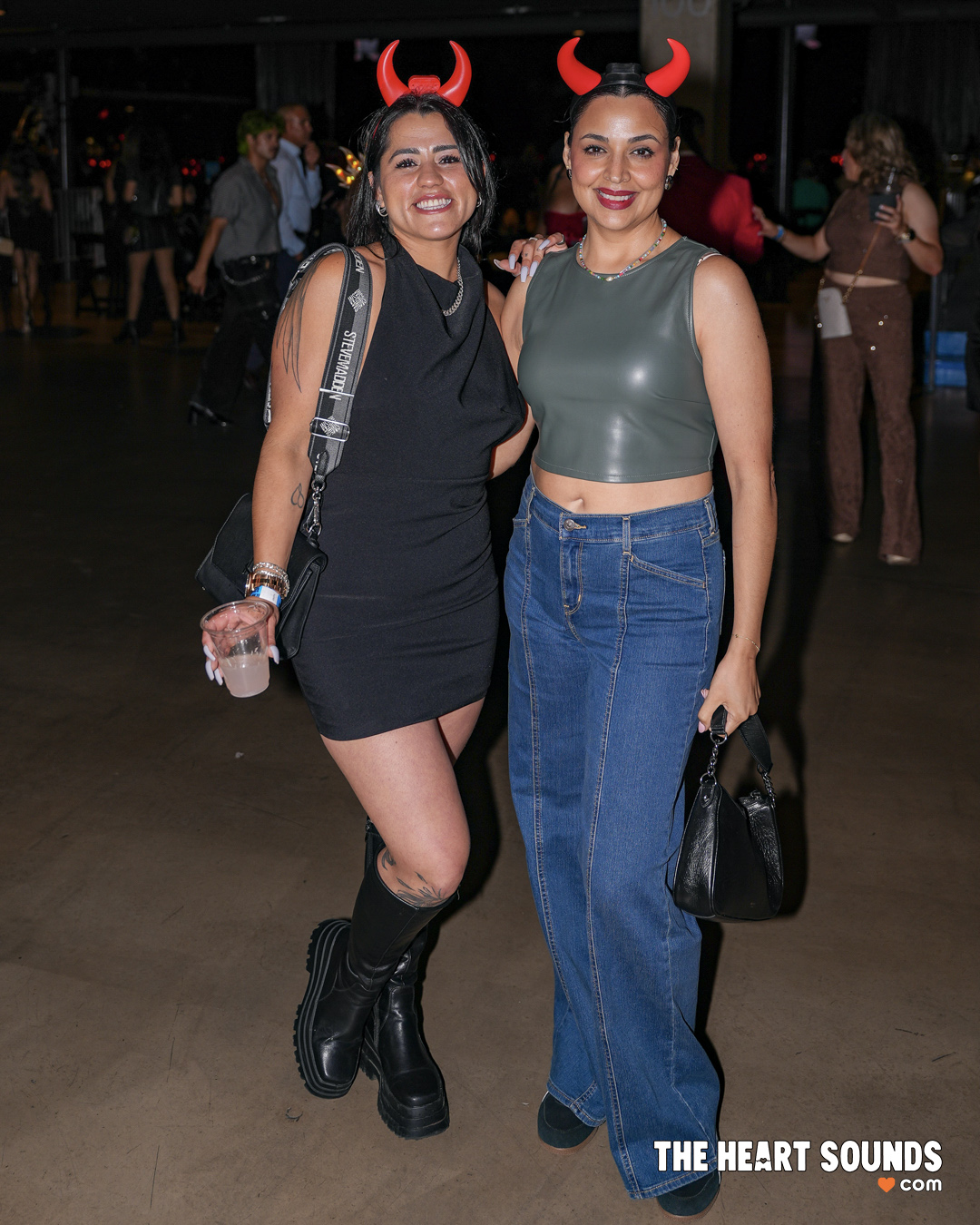
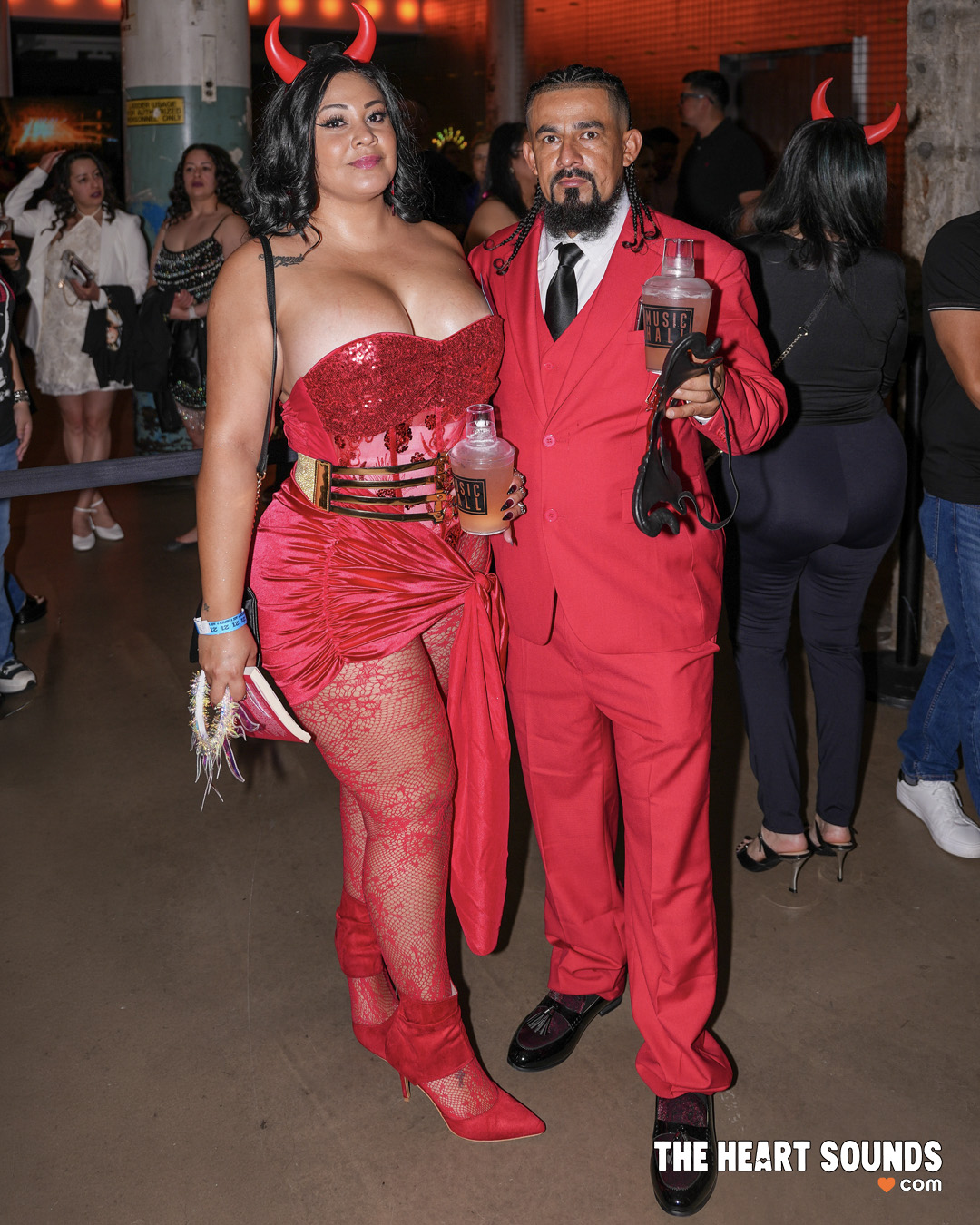
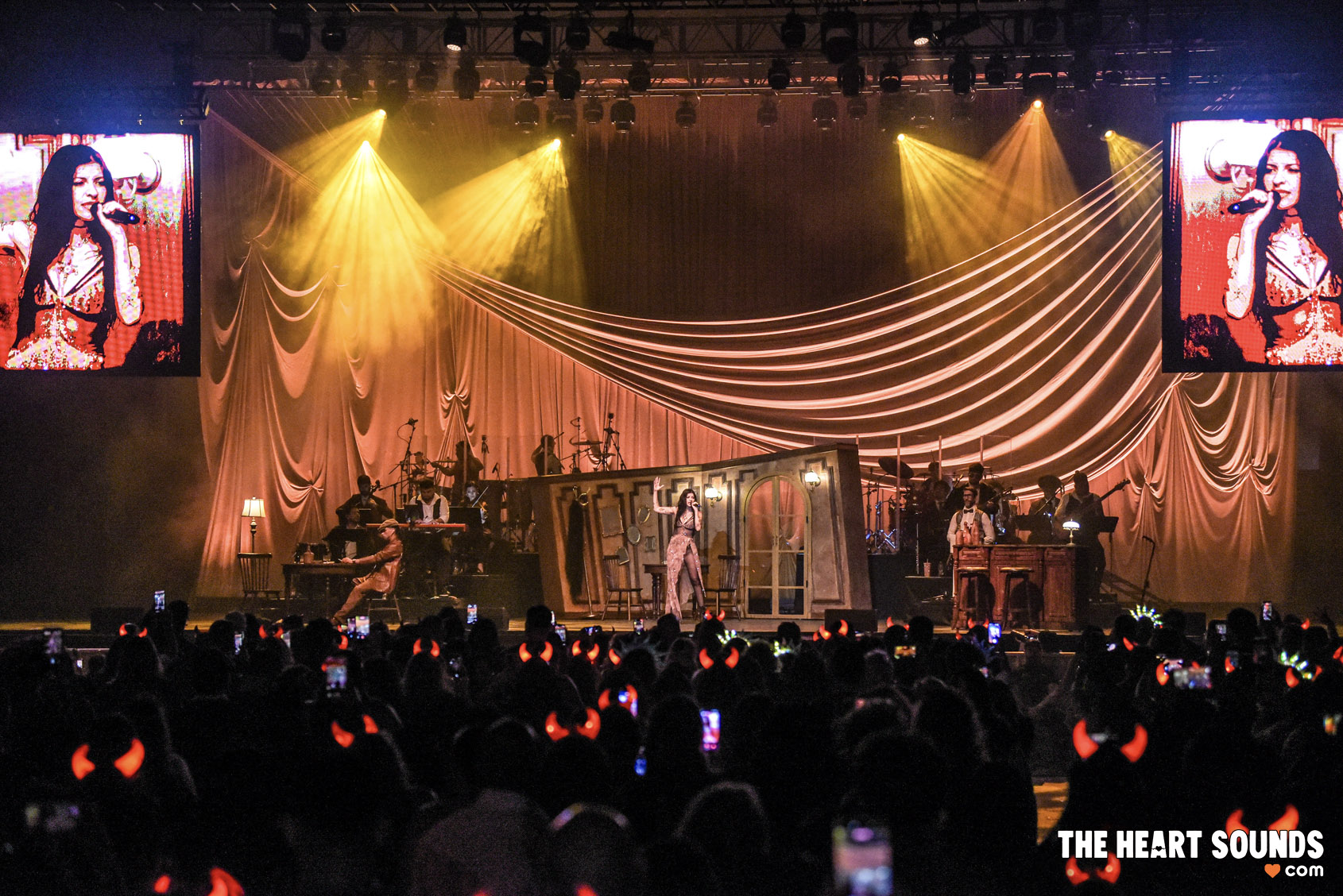
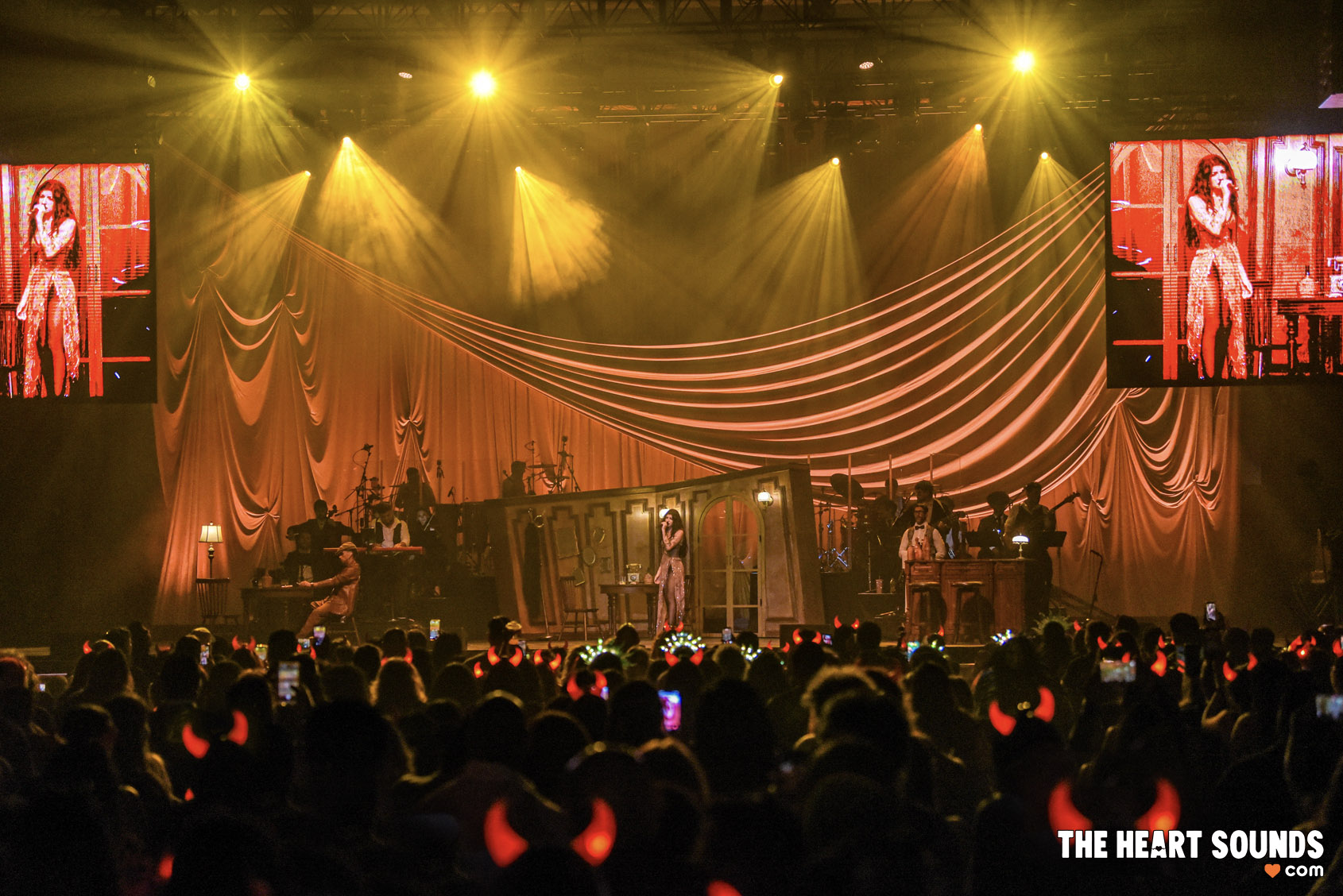
By the time people started filling into 713 Music Hall on Sunday night, it already felt like more than just another stop on the tour. Fans walked through the venue wearing red devil horns, some glowing, some handmade, all inspired by the imagery from “Dolce.” It became its own little symbol inside the crowd. You could tell people connected deeply with what CAZZU has represented lately. Heartbreak, rebuilding, confidence, anger, softness. All of it existed together in the room before the show even started.
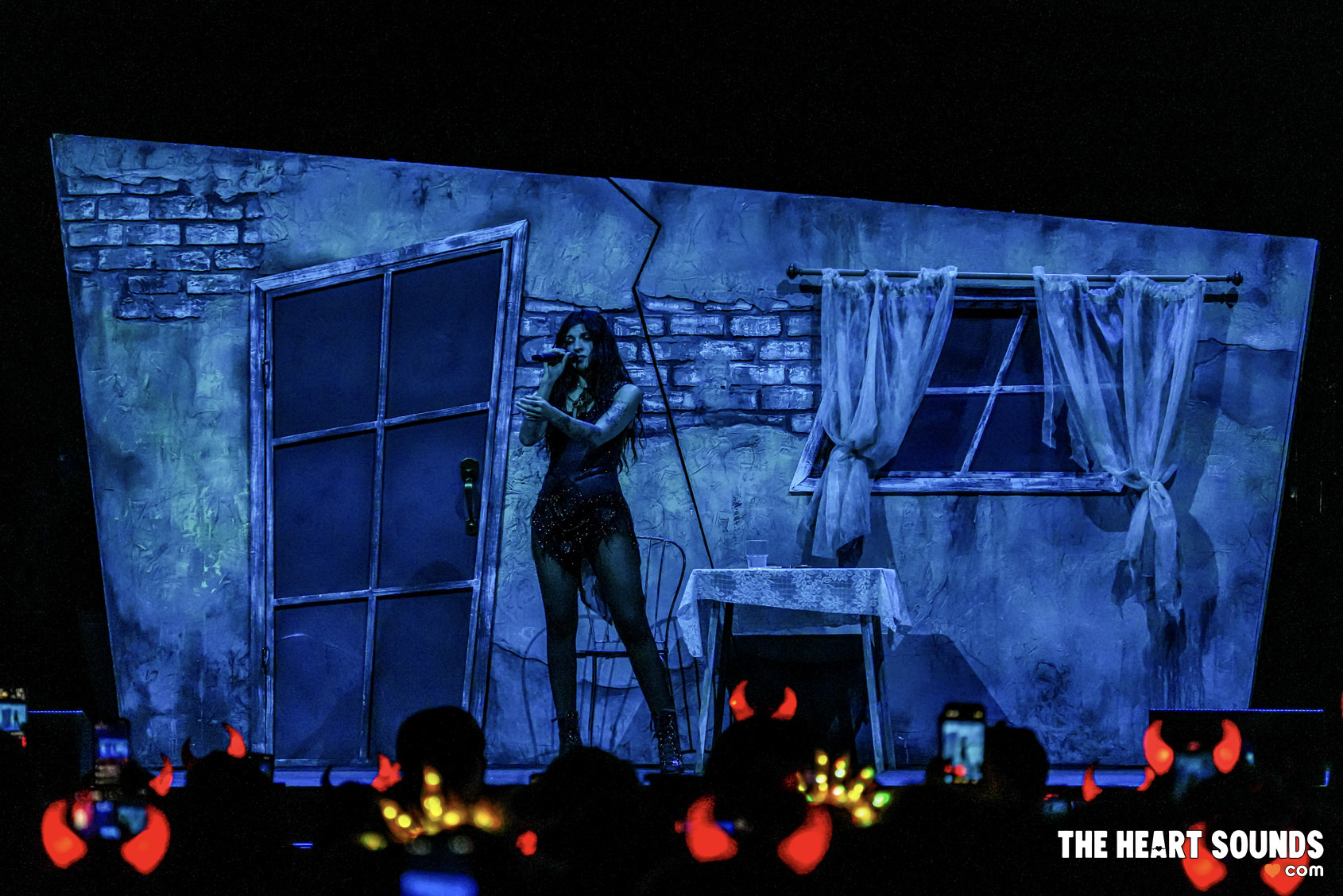
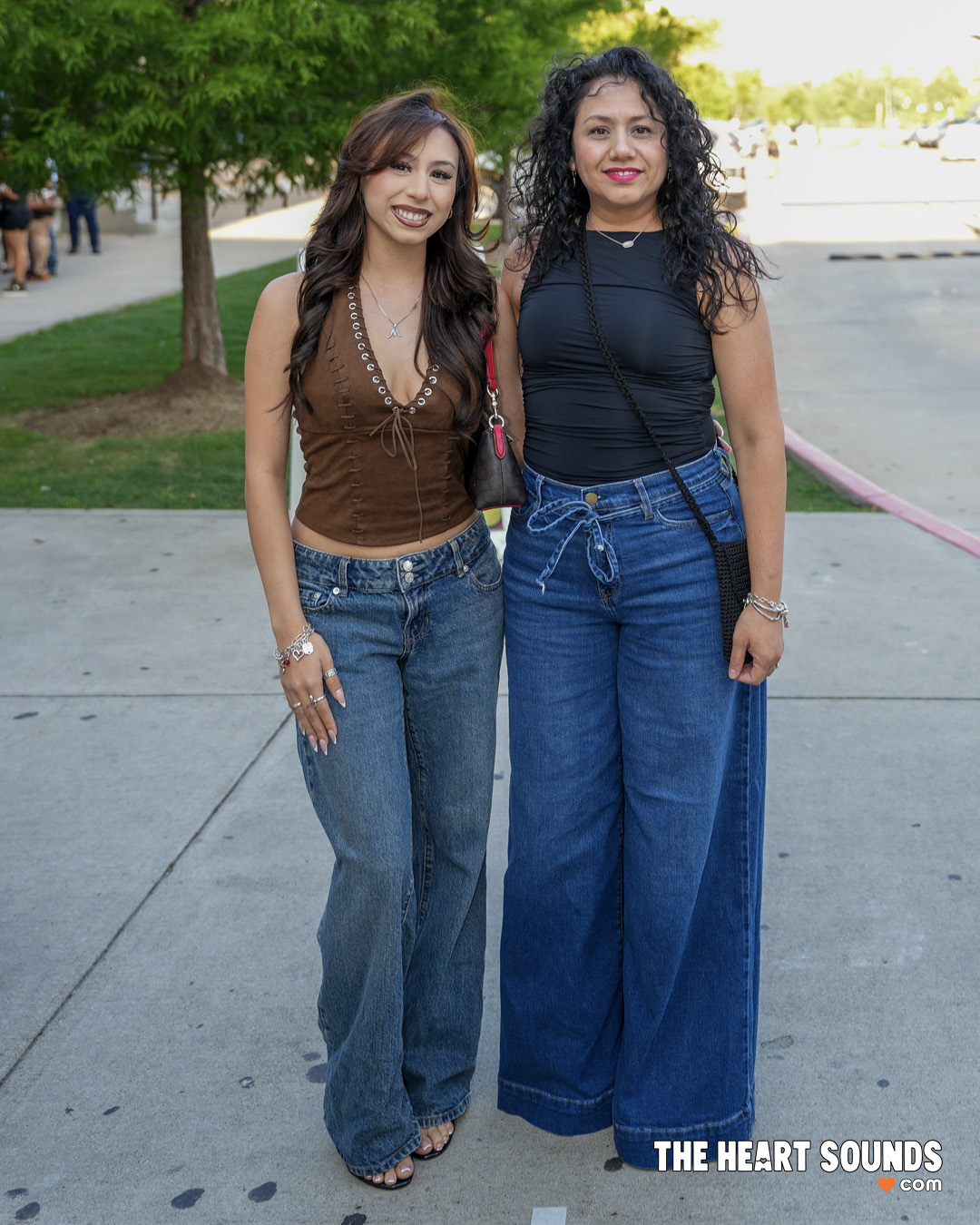
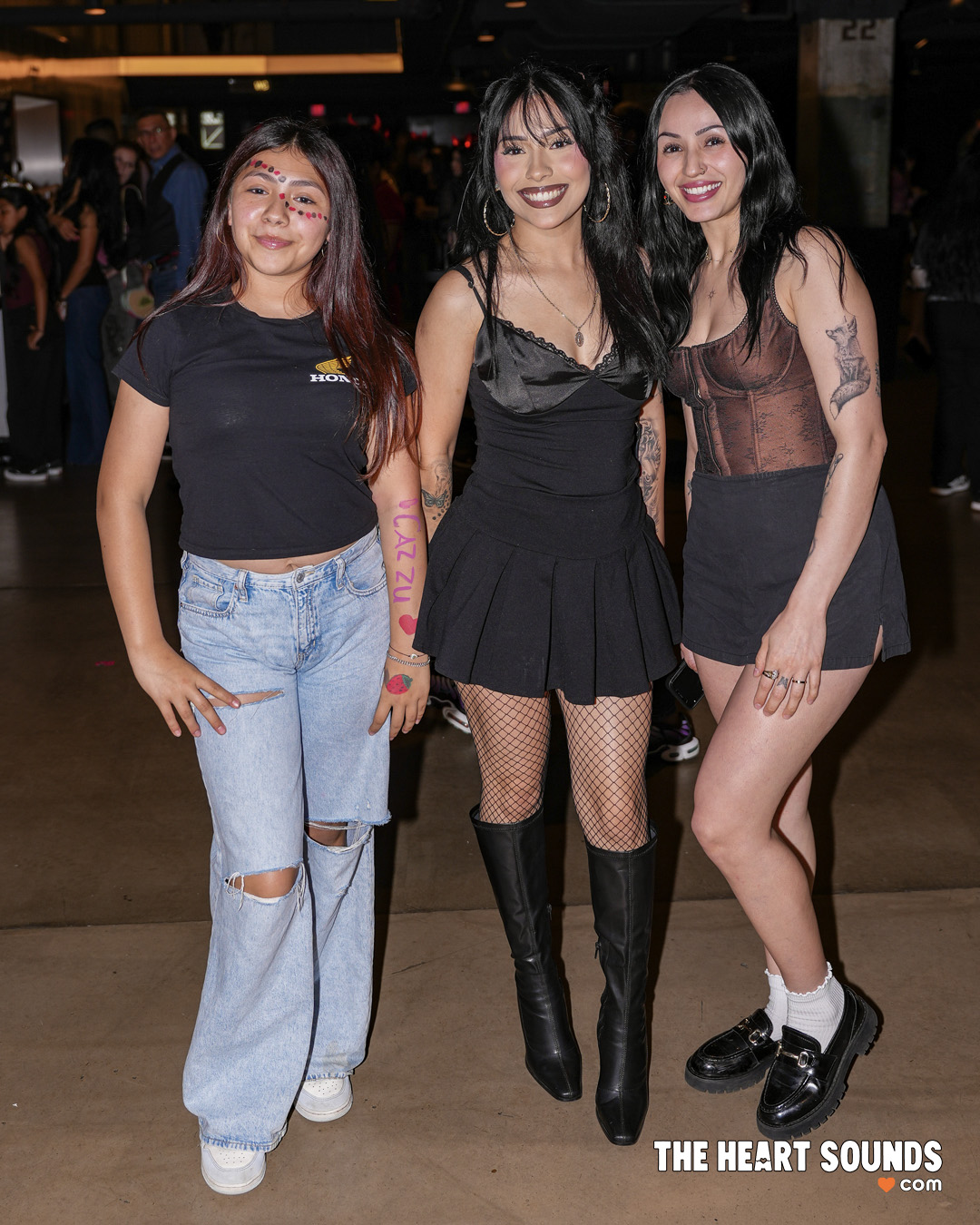
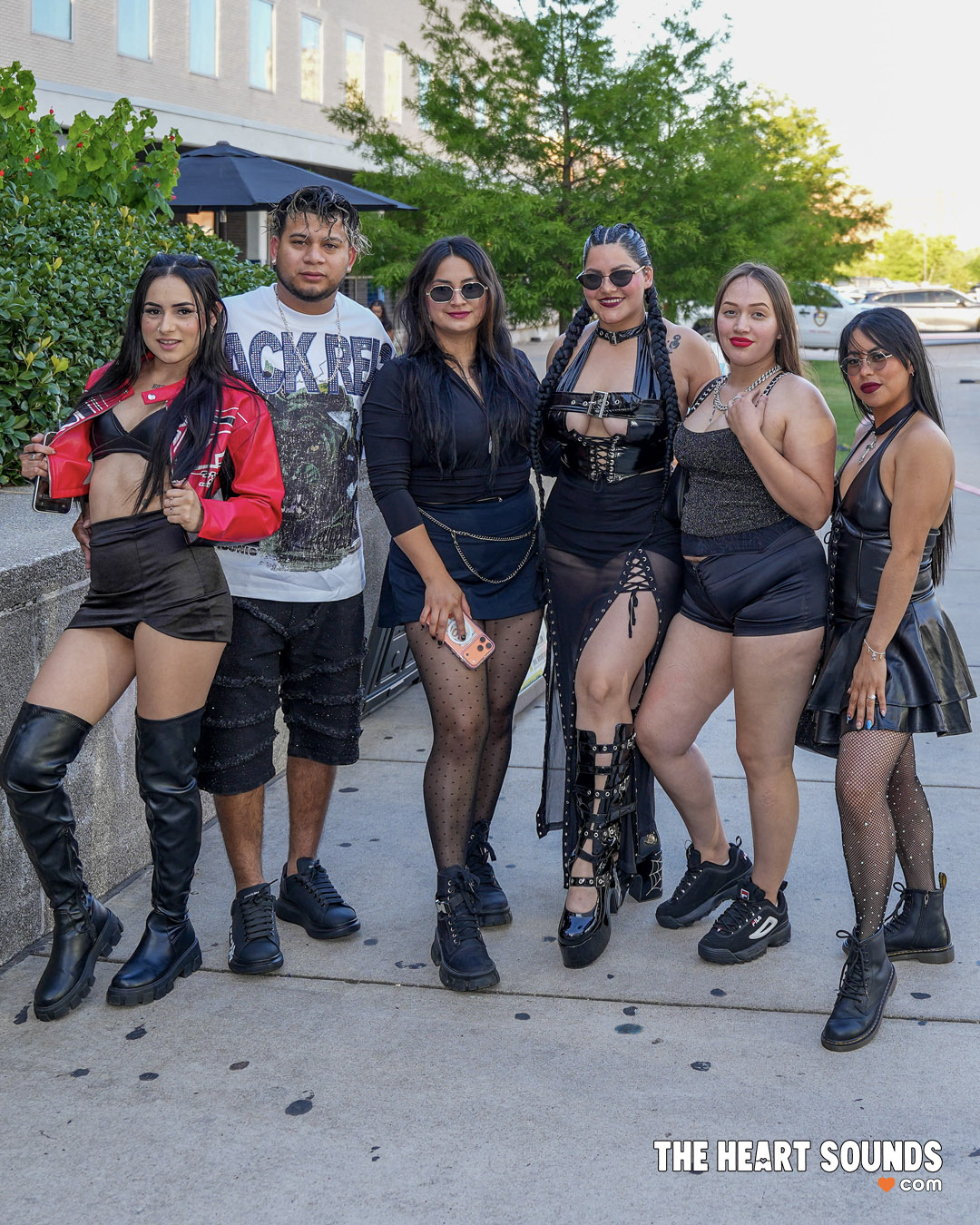
The audience was young, loud, and fully locked in from the beginning. Groups of friends posed for photos near the barricade while others shouted lyrics before the lights even dropped. There was this feeling that everyone had come not only to hear the songs, but to stand beside her after a very public chapter in her life. When the stage finally darkened and Cazzu appeared, the reaction was immediate. Phones shot into the air, screams bounced across the venue, and suddenly Houston belonged to La Jefa for the next two hours.
CAZZU
LATINAJE TOUR
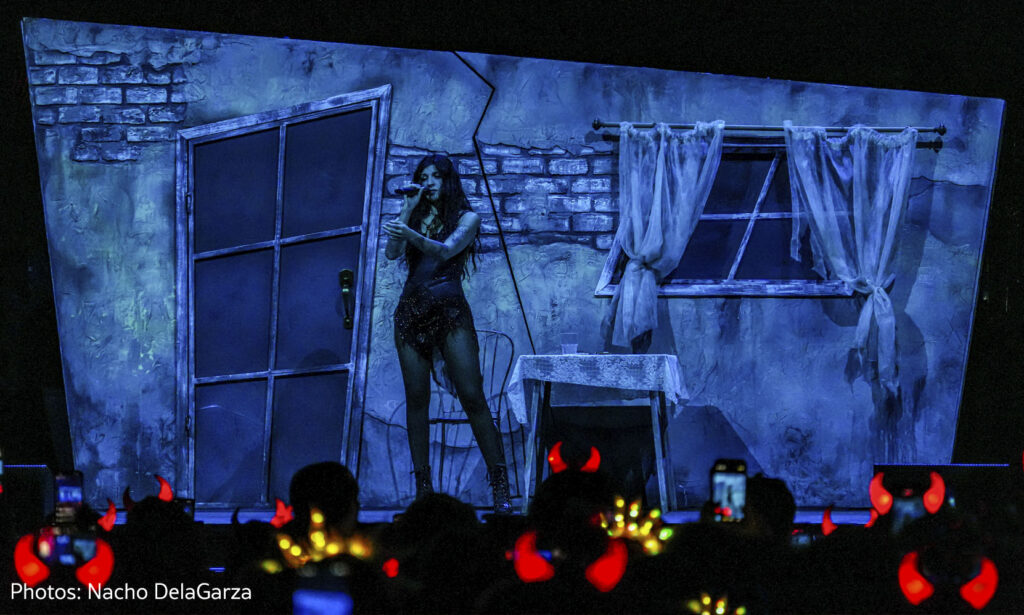
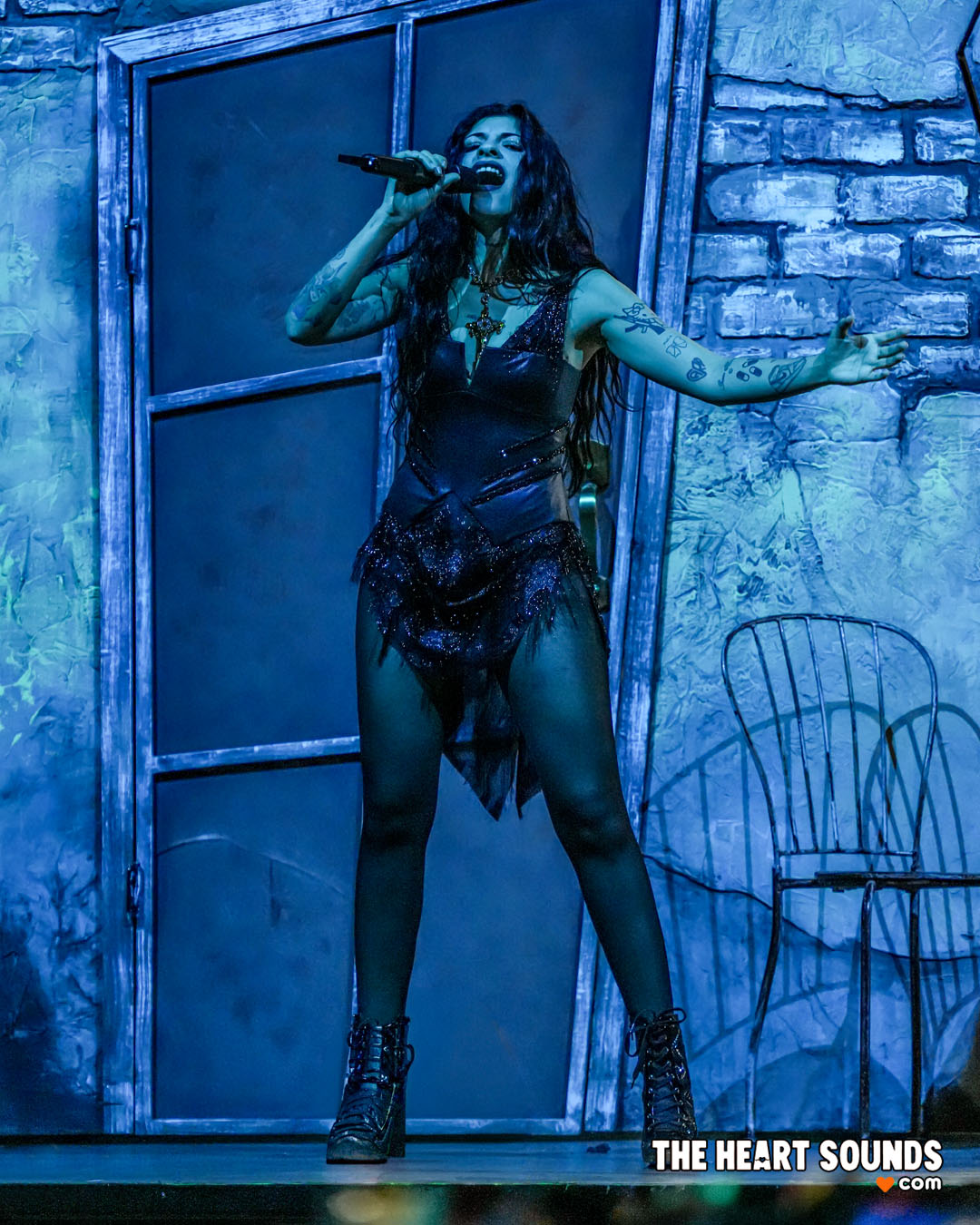
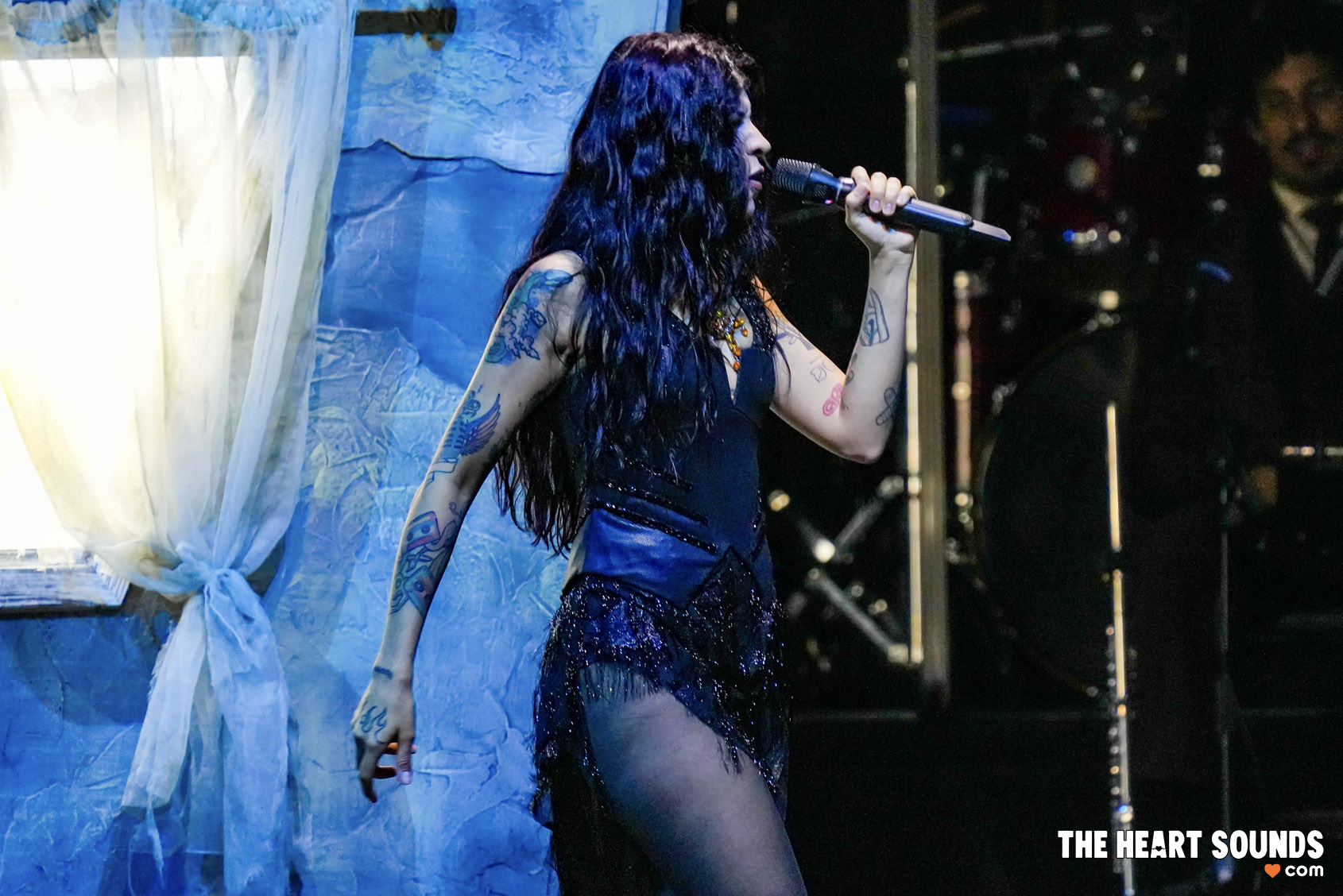
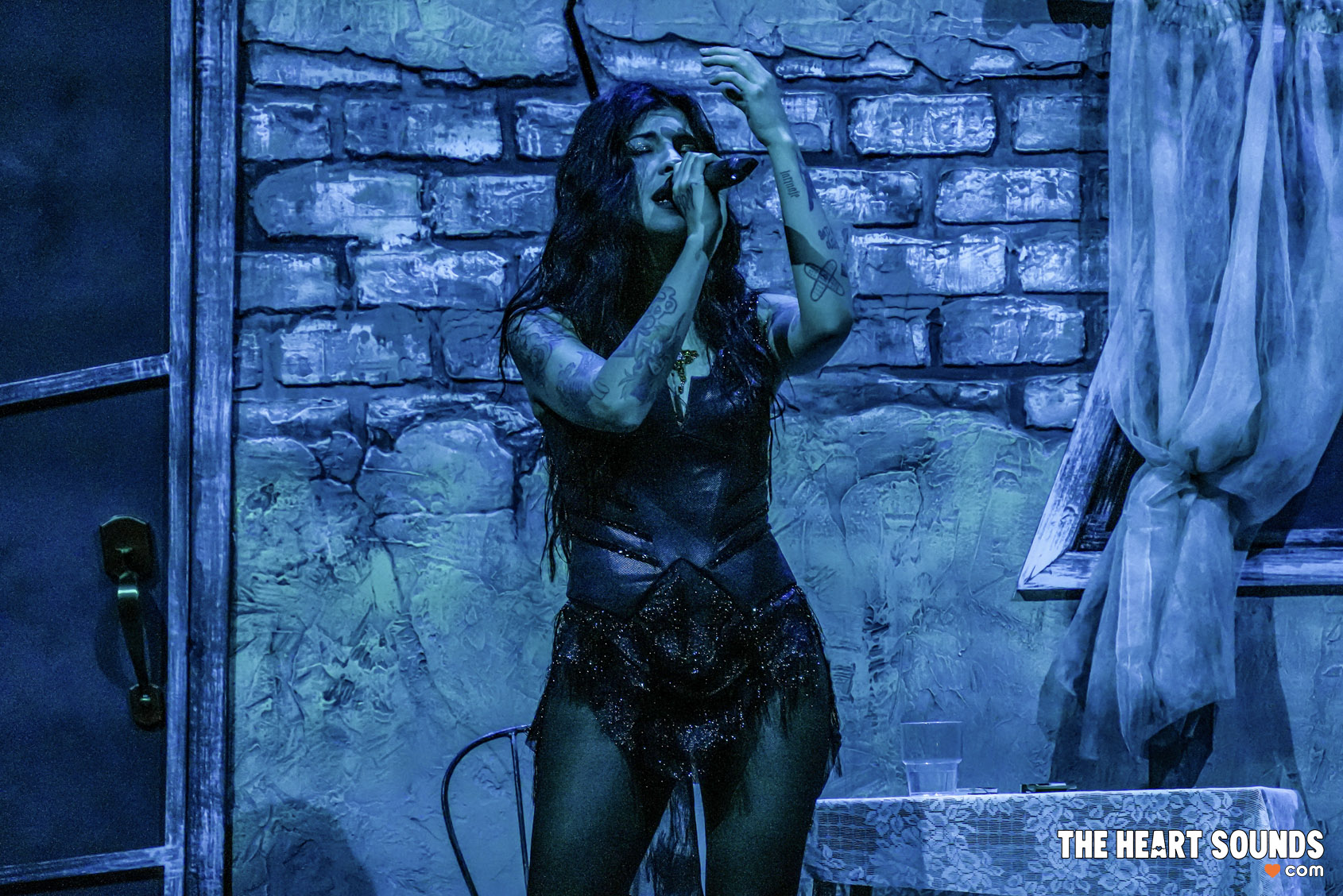
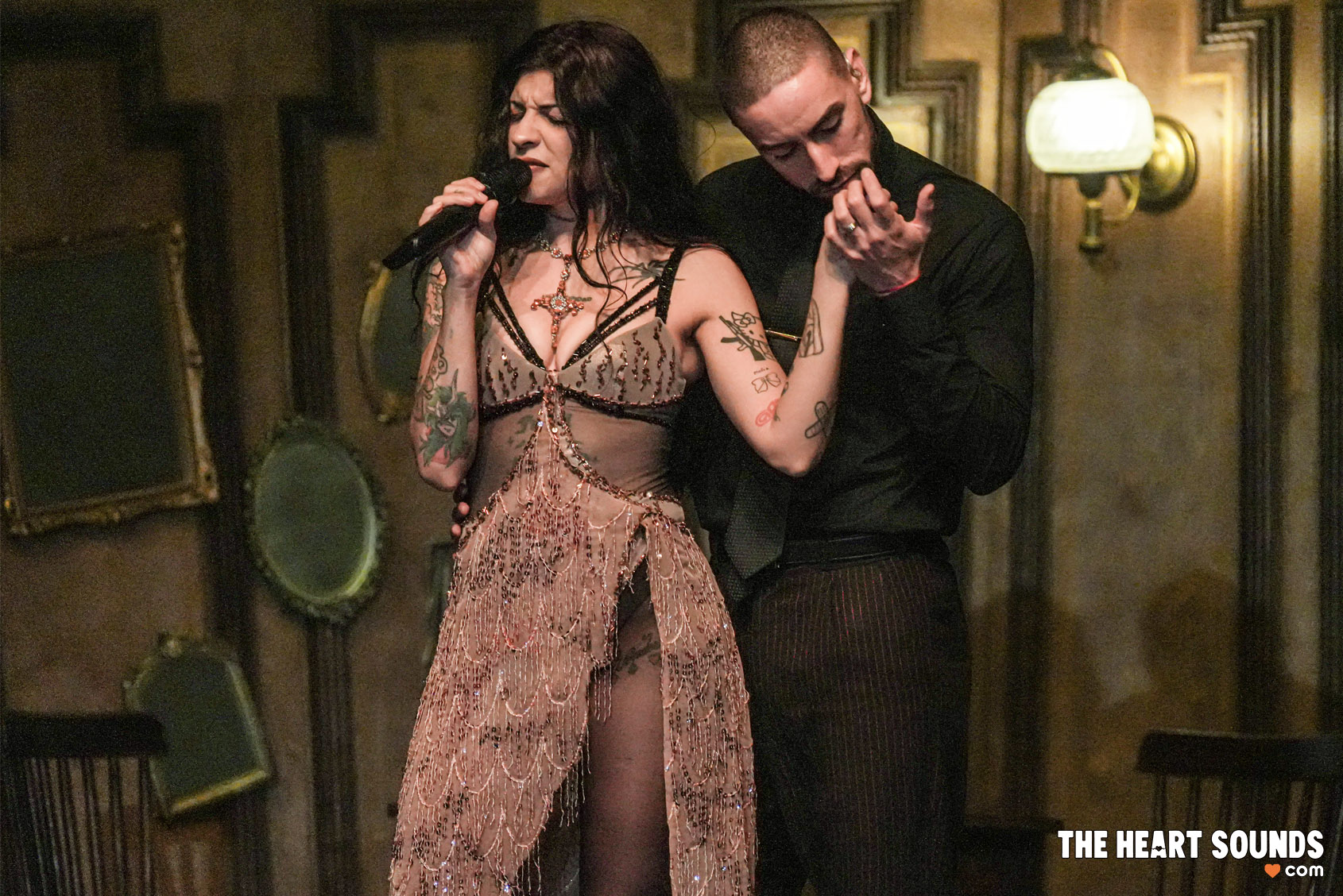
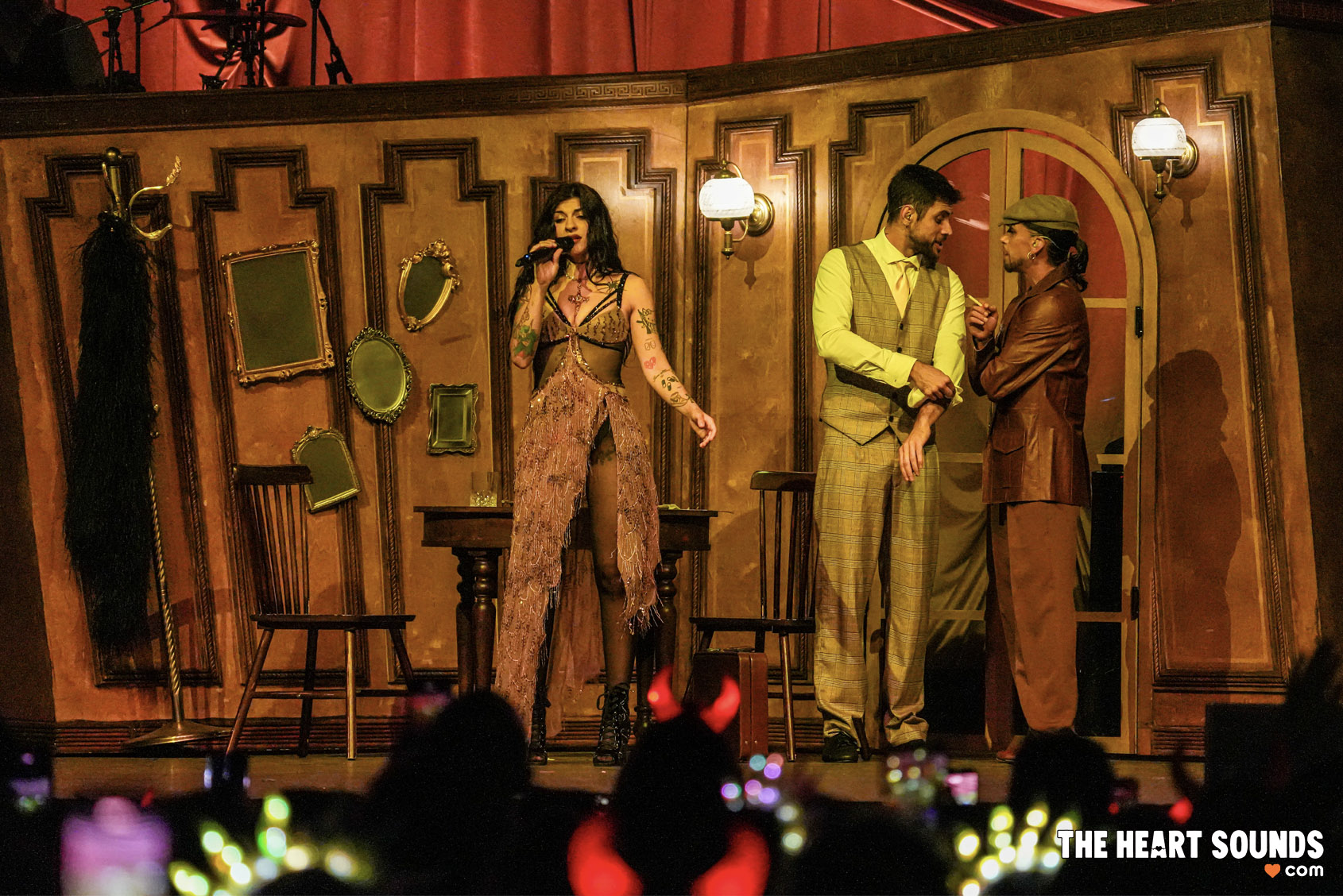
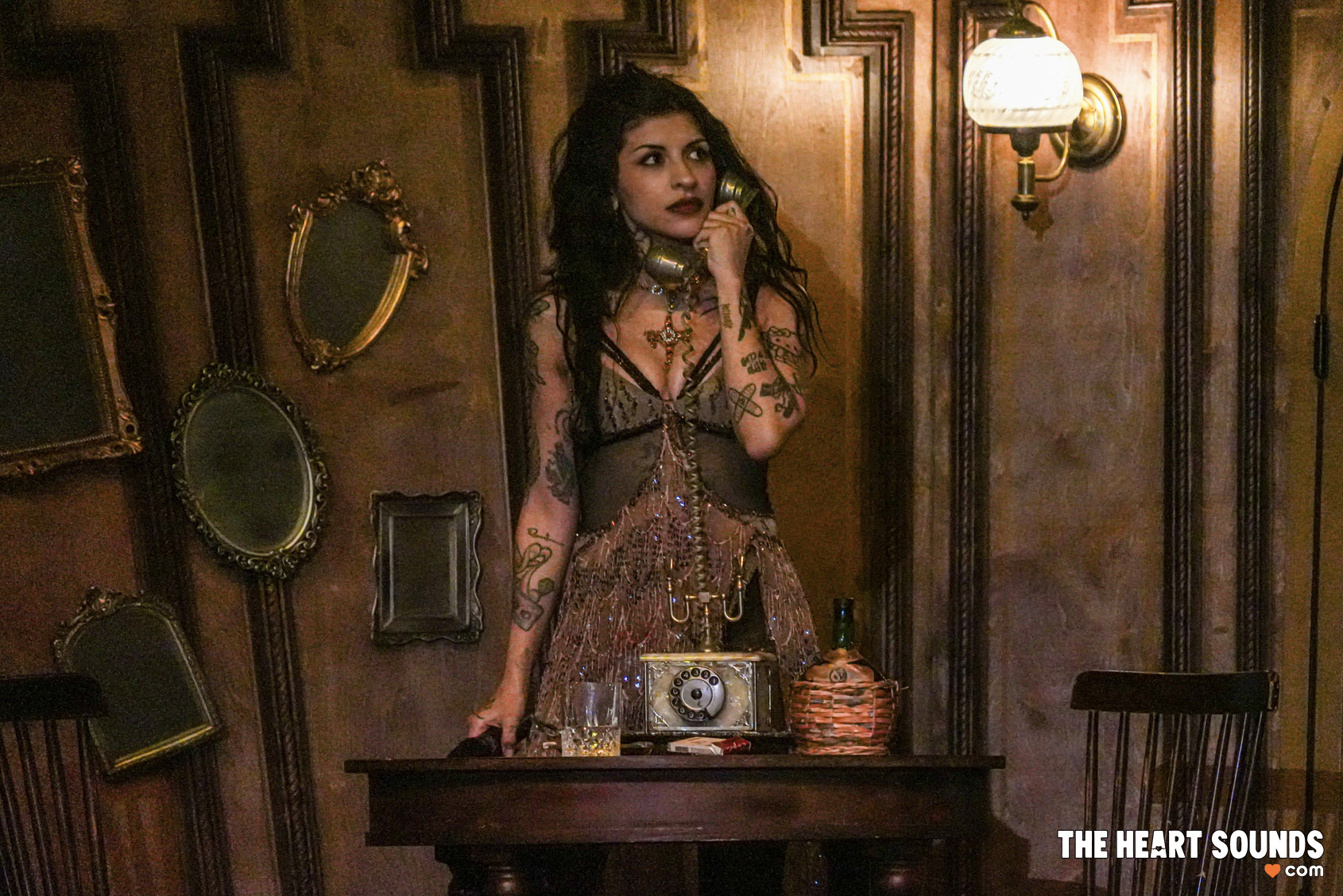
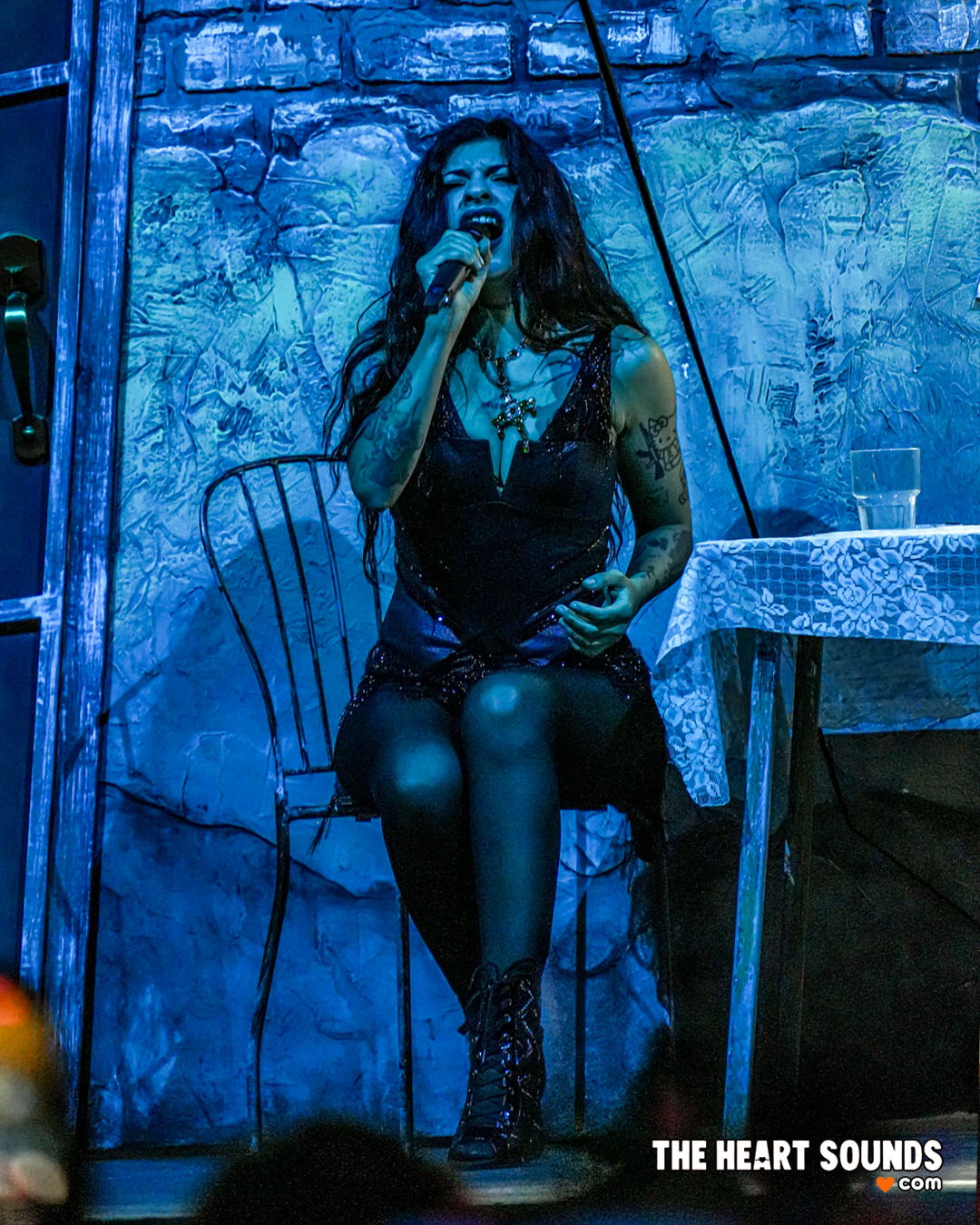
Cazzu understands presentation in a way that separates her from a lot of artists working in Latin trap and reggaetón right now. The Latinaje Tour felt carefully designed without losing personality. The show had theatrical touches, dramatic lighting, strong visuals, and moments where she seemed almost detached and mysterious. But at the same time, she still felt approachable. She smiled often, interacted with fans near the barricade, and let emotional moments breathe instead of rushing through them.
Opening with “Ódiame,” “Sobre Mi Tumba,” and “Me Tocó Perder” immediately established the mood of the night. The setlist leaned heavily into heartbreak and emotional honesty during the first stretch of the show, but the production kept it from feeling heavy for too long. Songs like “Piénsame,” “Mala Suerte,” and “Balada Malvada” carried this smoky late-night energy that matched her stage presence perfectly. Cazzu never overperformed the songs. She trusted the lyrics and atmosphere enough to let them speak for themselves.
As the night moved forward, the energy gradually shifted upward. “Bounce,” “Brinca,” and “Mucha Data” completely changed the pace inside the venue. The crowd jumped nonstop, especially in the packed floor section where people barely stopped moving between songs. What stood out most was how naturally she balanced vulnerability with confidence. One minute she delivered sharp verses with complete control, and the next she looked genuinely emotional hearing thousands of fans scream lyrics back at her.
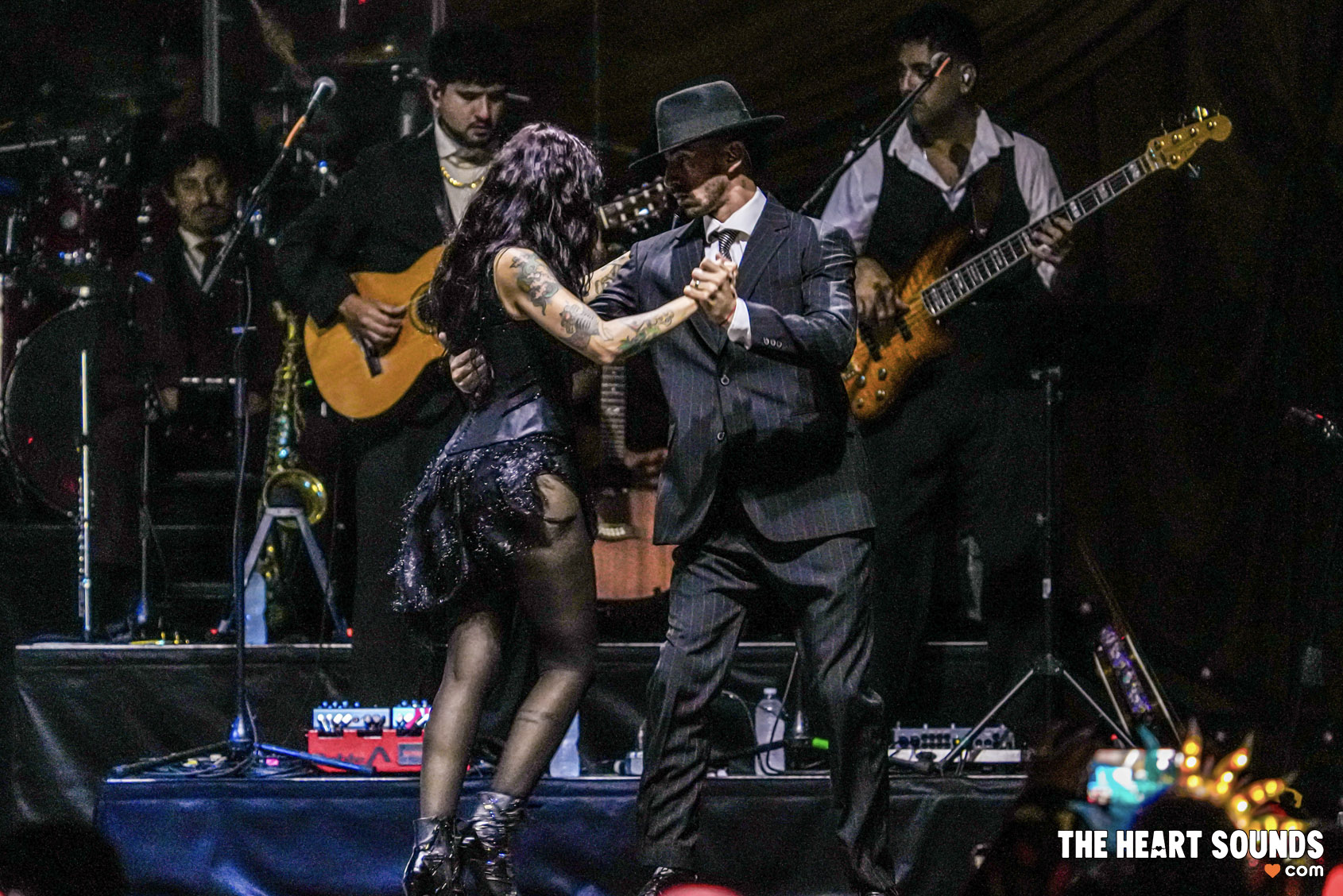
Inti
One of the most emotional moments of the night came when Cazzu performed “Inti,” the song dedicated to her daughter. Since it was Mother’s Day weekend, the moment hit even harder. She became visibly emotional, started crying onstage, and even asked for Kleenex while the crowd cheered her on with support. Before continuing, she shared that her mom watches fans’ TikTok livestreams to keep up with what she’s doing on tour, which made the whole room melt for a second. Right after that emotional pause, she shifted the mood with “Jujuy,” named after her hometown in Argentina, bringing smiles, dancing, and a lighter energy back into the venue.
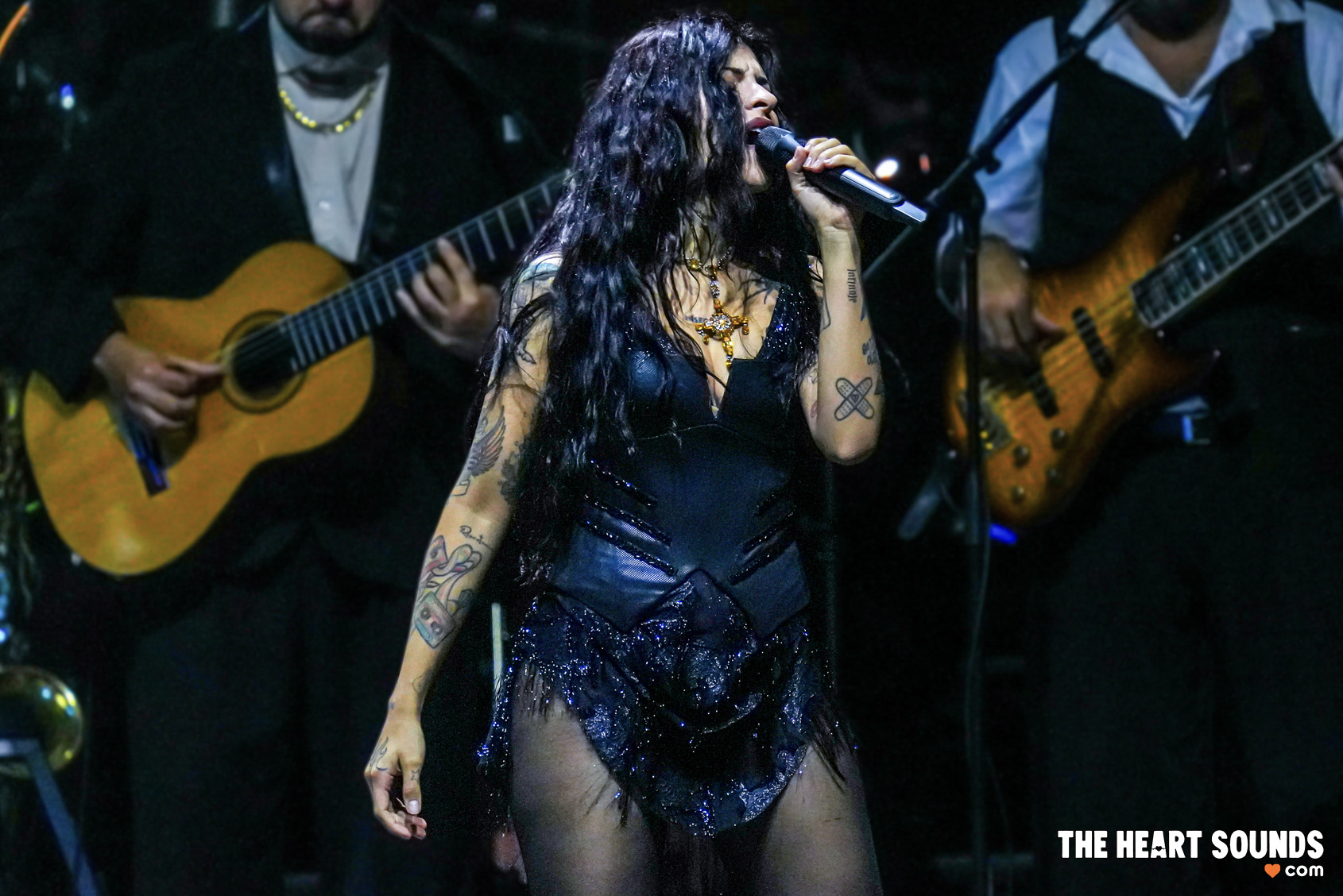
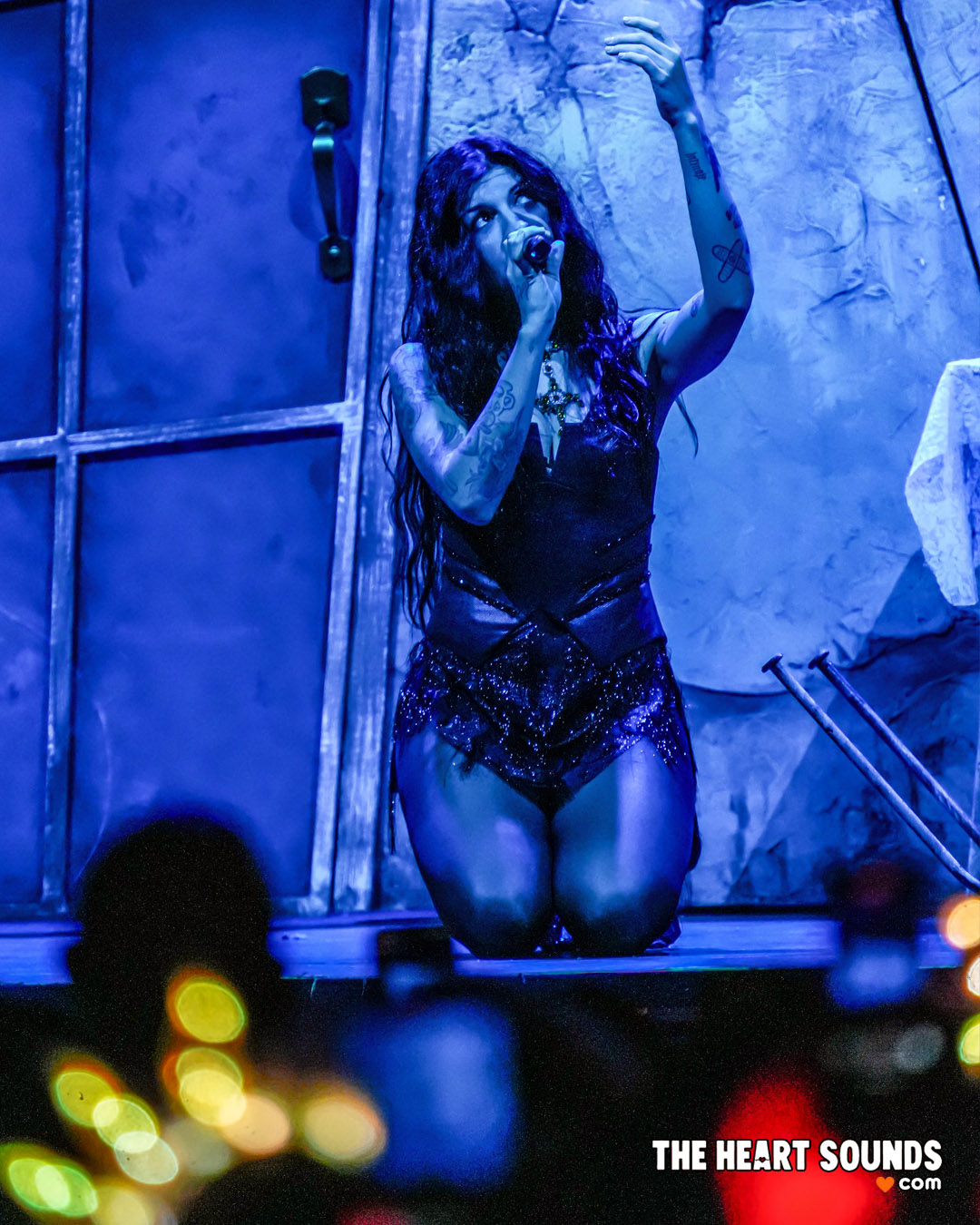
The covers added a really human touch to the show too. Her version of Selena Quintanilla’s “Si Una Vez” earned one of the loudest reactions of the night, especially in Texas, where Selena’s music still feels deeply tied to people’s lives.
Still, everyone knew the biggest moment would arrive eventually. The second the opening of “Con Otra” started, the entire venue exploded. Drinks flew into the air, people cried, screamed, and sang every word at full volume. It felt cathartic more than anything. Cazzu stood there smiling while the crowd practically carried the chorus for her. It was easily the emotional center of the night.
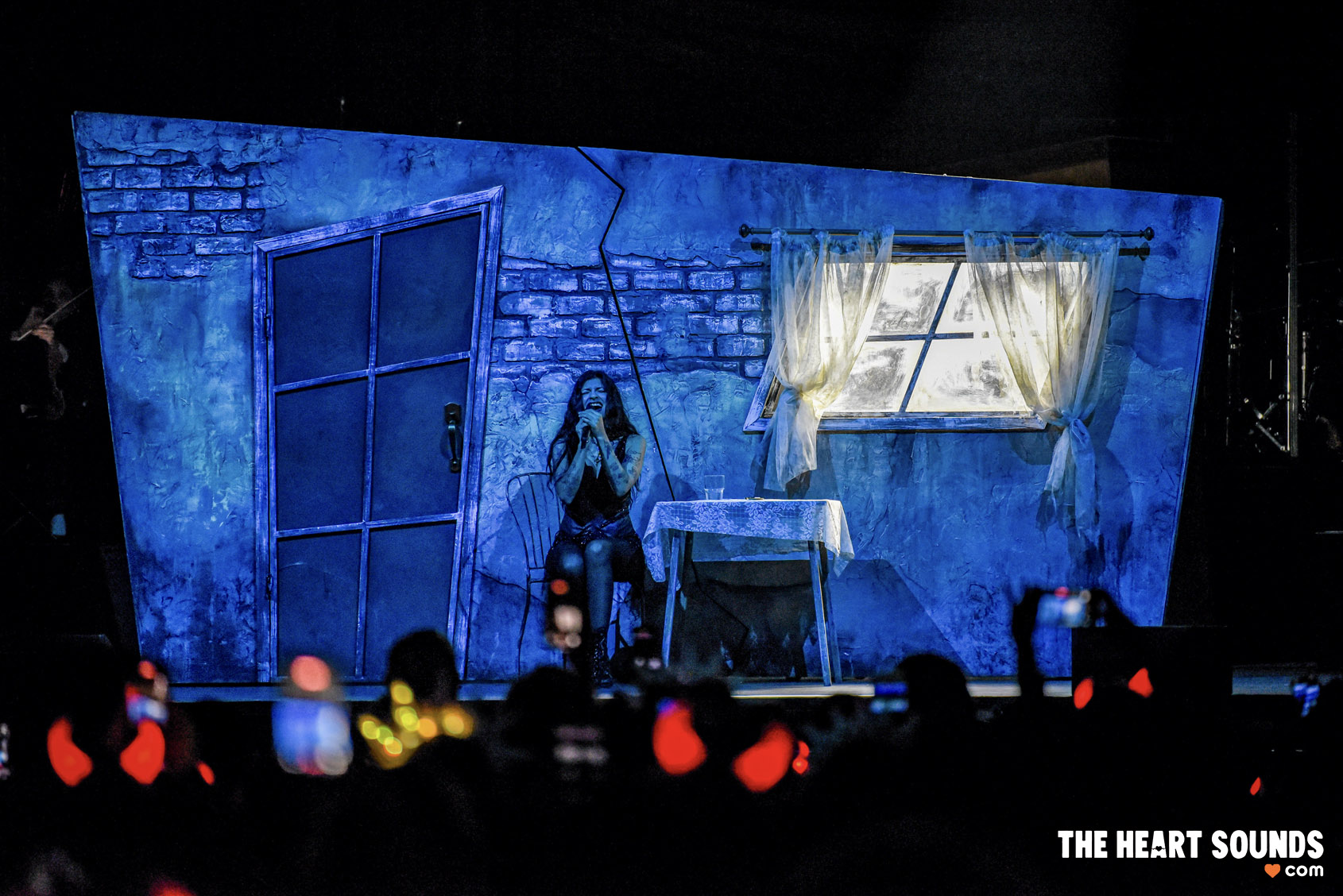
The Red Horns Everywhere
One of the coolest parts of this concert was seeing how fans embraced the red horns connected to the “Dolce” era. They were everywhere inside the venue. Some fans wore elaborate versions with rhinestones and lights while others made simpler DIY pairs just to participate. It became more than an accessory during the show. The horns represented support, resilience, and a shared understanding between Cazzu and her audience. There was something interesting about seeing heartbreak turned into a visual identity people proudly wore together.
Instead of making the atmosphere sad, it gave the crowd a feeling of unity. Fans were not there out of pity. They were there to celebrate someone who transformed personal pain into music people could scream, dance, and heal through together.
From Jujuy to La Jefa
Julieta Emilia Cazzuchelli, known professionally as Cazzu, was born in Jujuy, Argentina, and slowly built her name through the Latin trap movement before becoming one of the most recognizable women in the genre. Early in her career, she experimented with cumbia, rock, and reggaetón before fully finding her voice in darker, more emotional trap production. What makes Cazzu stand out is how she balances toughness with vulnerability. Her music can sound cold and confident one moment, then painfully honest the next. Fans connect with that contrast because it feels real. Over the years, she evolved from underground trap artist into a major Latin music figure without losing the personality that made people pay attention in the first place. Whether she is singing about heartbreak, desire, or independence, her delivery always feels direct and personal.
As people slowly walked out of 713 Music Hall, the red horns were still glowing in the dark parking lot. Fans kept replaying videos from “Con Otra,” talking about favorite songs, or trying to process how loud the crowd became during certain moments. It felt less like people leaving a concert and more like they were coming down from a shared emotional release.
Cazzu’s show worked because it never tried too hard to impress. The visuals were strong, the band sounded great, and the setlist was smart, but the real center of the night was the connection between her and the audience. Houston gave her full support from the first song to the last. In return, she delivered a performance that felt honest, stylish, and emotionally open without losing its edge. For a Mother’s Day weekend concert, it ended up feeling surprisingly meaningful for a lot of people in that room.